
Short Answer
Definition of Prover and Calibration
In the realm of measurement science, two fundamental concepts are “prover” and “calibration,” each playing a distinct yet complementary role in ensuring measurement precision. A prover is a specialized device used primarily to verify the accuracy of flow measurement instruments by quantifying the flow rate of liquids or gases. It acts as a trusted benchmark, providing a consistent and repeatable standard against which flow meters can be tested.
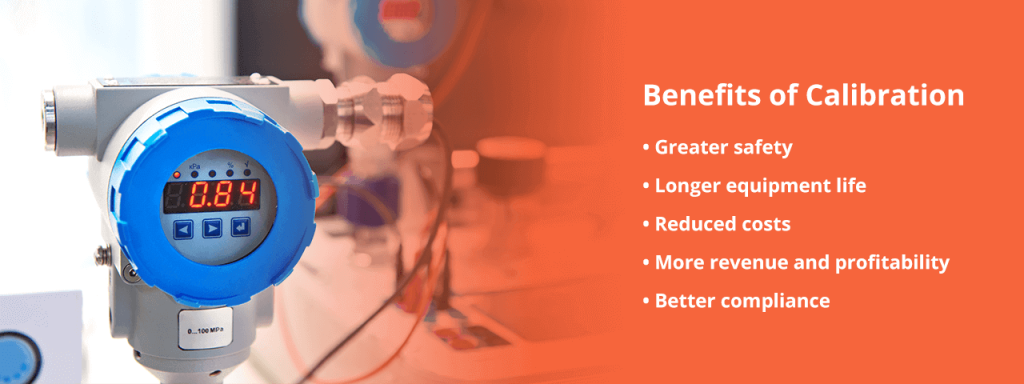
Calibration, in contrast, is a comprehensive procedure that involves comparing a measuring instrument’s output against a recognized standard and making necessary adjustments to align it with that standard. This process is essential for a wide variety of instruments beyond flow meters, including scales, thermometers, and pressure gauges, ensuring their readings remain accurate and reliable over time.
Purpose and Applications
The primary function of a prover is to confirm the precision of flow measurement devices, which is critical in sectors such as oil and gas, water management, and chemical manufacturing. By detecting inaccuracies in flow meters, provers help prevent costly errors and safety risks associated with incorrect fluid measurement.
Calibration serves a broader purpose, extending to numerous fields like laboratory analysis, manufacturing quality control, and healthcare diagnostics. It guarantees that instruments provide correct measurements under operational conditions, thereby supporting product quality, safety, and regulatory compliance. Regular calibration is a standard practice to maintain the trustworthiness of measurement tools.
Types of Provers
Provers are generally categorized into two main types based on their measurement approach:
- Volumetric Provers:
These measure the volume of fluid passing through a flow meter by using a precisely known volume container, such as cylindrical or spherical provers. They are widely used in industries like petroleum for volume-based flow verification. - Mass Provers:
These devices measure the mass flow of fluids, independent of volume changes, which is crucial in applications requiring exact mass measurements, such as pharmaceutical production where dosage accuracy is vital.
Calibration Techniques
Calibration methods vary depending on the instrument and application, but common approaches include:
- Direct Comparison Method:
The instrument under test is directly compared to a standard with known accuracy to identify any deviations. - Transfer Standard Method:
This involves using an intermediate device as a reference to calibrate the primary instrument, ensuring precision across multiple measurement layers. - Field Calibration:
Calibration performed in the actual operating environment of the instrument, providing a realistic assessment of its performance under real-world conditions.
Interconnection Between Provers and Calibration
Though provers and calibration serve different functions, they are closely linked in practice. Provers often act as calibration standards for flow meters, validating their accuracy. Conversely, calibration processes help maintain the reliability of provers themselves. Operators frequently use prover data to perform routine calibrations, ensuring ongoing compliance with industry regulations and operational standards. This symbiotic relationship enhances the overall integrity of measurement systems.
Significance of Accuracy and Regulatory Compliance
Maintaining precise measurements and adhering to national and international standards is critical across many industries. Inaccurate measurements can lead to legal penalties, compromised safety, and financial losses due to inefficiencies. Fields such as pharmaceuticals, aerospace, and food production rely heavily on the combined use of provers and calibration to meet rigorous quality and safety benchmarks. Implementing regular calibration schedules, using certified provers, and following best practices foster a culture of accuracy and regulatory compliance within organizations.
Summary
Grasping the distinctions and connections between provers and calibration is essential for professionals working with measurement instruments. Provers specifically validate flow meter accuracy, while calibration encompasses a wider range of instruments and adjustments. Together, they underpin the science of metrology, ensuring that measurements remain precise and trustworthy, which is fundamental for scientific research, industrial processes, and quality assurance.
FAQ
What is a prover?
A prover is a device used to verify the accuracy of flow measurement instruments.
What is calibration?
Calibration is the process of adjusting a measuring instrument to align with a recognized standard.
Why are provers important?
Provers help prevent costly errors and safety risks associated with inaccurate flow measurements.
What are common calibration techniques?
Common techniques include Direct Comparison, Transfer Standard, and Field Calibration.

Leave a Reply