
Short Answer
Definition and Interconnection of Physics and Chemistry
Physics and chemistry are two fundamental scientific disciplines that together provide a comprehensive understanding of the natural world. Physics is often described as the universal language that deciphers the fundamental laws governing matter and energy. Chemistry, on the other hand, focuses on the study of molecular structures, interactions, and transformations. The synergy between these fields creates a cohesive narrative that explains complex phenomena through the lens of both energy principles and molecular behavior.
Energy: The Central Theme in Physics and Chemistry
Energy serves as a pivotal concept bridging physics and chemistry, underpinning a wide array of scientific processes. In physics, energy appears in diverse forms such as kinetic, potential, thermal, and electromagnetic energy, each playing a crucial role in the dynamics of the universe. For example, the swinging motion of a pendulum exemplifies the continuous conversion between kinetic and potential energy, illustrating fundamental physical laws in action.
In chemistry, energy is integral to the mechanisms of chemical reactions. The processes of breaking and forming chemical bonds involve intricate energy exchanges, which can be likened to an artist’s deliberate brushstrokes creating a masterpiece. These energy changes dictate reaction spontaneity and pathways, highlighting the essential role of energy in molecular transformations.
Thermodynamics: Governing Energy Flow and System Behavior
Thermodynamics provides a foundational framework for understanding how energy moves and changes within physical and chemical systems. The laws of thermodynamics are crucial in explaining the behavior of matter during reactions and physical changes.
- First Law of Thermodynamics:
This law states that energy cannot be created or destroyed, only transformed. In chemistry, this principle is evident as every reaction involves energy changes, reinforcing the conservation of energy across all processes. - Second Law of Thermodynamics:
Introducing the concept of entropy, this law explains the tendency of systems to move toward disorder or randomness. Entropy is a key factor in determining the spontaneity of chemical reactions and reflects broader natural tendencies toward complexity and adaptation.
Atomic Structure and the Periodic Table: The Intersection of Physics and Chemistry
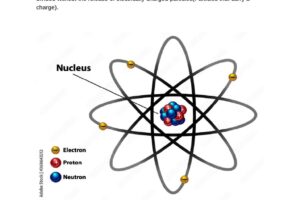
The periodic table is a fundamental tool in chemistry that organizes elements based on their atomic characteristics. Far from being a static chart, it serves as a guide to understanding chemical bonding and reactivity. The principles of quantum mechanics, a branch of physics, are essential for explaining atomic structure and electron configurations.
Electrons exhibit dual characteristics, behaving both as particles and waves, a concept derived from quantum physics. This duality is crucial for explaining how atoms bond and interact, forming the basis for chemical reactions and molecular formation.
Chemical Kinetics: The Study of Reaction Rates
Chemical kinetics explores the speed at which reactions occur and the factors influencing these rates. This field introduces the concept of activation energy, the minimum energy required for a reaction to proceed. Reaction mechanisms describe the step-by-step sequence from reactants to products, often involving catalysts that accelerate the process without being consumed.
This dynamic process can be metaphorically compared to overcoming challenges in human endeavors, where obstacles are systematically addressed to achieve progress.
Surface Chemistry and Its Role in Catalysis
Surface chemistry, a specialized area within physical chemistry, investigates interactions at interfaces, such as those involved in catalysis and adsorption. These microscopic interactions significantly affect reaction pathways and efficiencies.
The analogy of an artist layering paint on a canvas aptly describes how molecular layers build upon one another to produce observable effects, demonstrating the intricate relationship between surface phenomena and chemical behavior.
Practical Applications and Societal Impact
The integration of physics and chemistry extends far beyond theoretical studies, influencing numerous aspects of modern life. Innovations in technology, medicine, and environmental science are deeply rooted in the principles derived from these disciplines.
- Renewable Energy:
Advances in physics and chemistry have enabled the development of sustainable energy sources that address climate change challenges. - Pharmaceuticals:
Understanding molecular interactions and reaction mechanisms has led to the creation of effective drugs that improve health outcomes worldwide. - Environmental Science:
The study of chemical and physical processes informs strategies for pollution control and ecosystem preservation.
Common Misconceptions About Physics and Chemistry
Physics and chemistry are entirely separate fields.
While distinct, these sciences are deeply interconnected, often overlapping in areas such as physical chemistry and quantum mechanics.
Energy in chemistry is unrelated to energy in physics.
Energy concepts are universal; the forms and transformations of energy studied in physics directly apply to chemical processes.
Significance of the Interdisciplinary Approach
The collaboration between physics and chemistry enriches our comprehension of the universe by providing a multidimensional perspective on natural phenomena. This interdisciplinary approach not only clarifies fundamental scientific principles but also fosters innovation and discovery. By appreciating the interconnectedness of these fields, researchers and students alike gain a deeper insight into the complexity and elegance of the natural world, inspiring continued exploration and advancement.
FAQ
What is the relationship between physics and chemistry?
Physics and chemistry are interconnected disciplines; physics provides the fundamental principles governing energy and matter, while chemistry focuses on molecular interactions and transformations.
How does energy play a role in chemical reactions?
Energy is crucial in chemical reactions as it dictates the breaking and forming of bonds, influencing reaction rates and spontaneity.




Leave a Reply