
Short Answer
Definition of Classical Computing
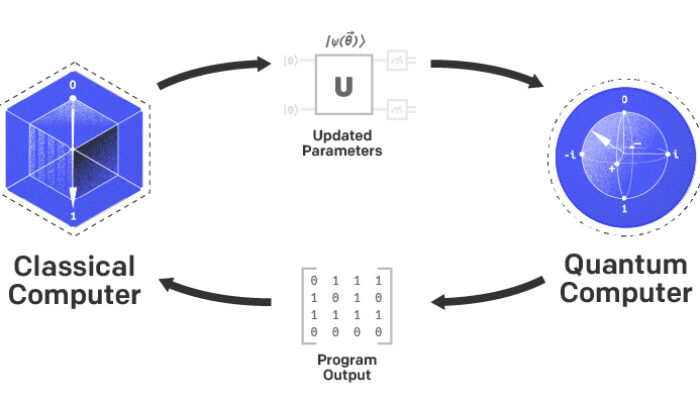
Classical computing forms the foundational framework for most modern computational systems. It involves the processing of information through a combination of hardware and software that operates on binary data using established algorithms. This paradigm underpins the digital era, enabling complex data manipulation and communication. While often taken for granted, classical computing encompasses a sophisticated structure that extends beyond basic functionality, inviting deeper understanding and appreciation.
Fundamental Components and Architecture
Binary Data and Logical Operations
The core element of classical computing is the binary digit, or bit, which can exist in one of two states: 0 or 1. This binary system allows for the encoding of diverse data types such as numbers, text, and images, facilitating digital communication and processing. Computations are performed through logical operations based on Boolean algebra, including fundamental gates like AND, OR, and NOT, which manipulate bits to execute instructions.
Key Hardware Elements
Classical computers are composed of several essential parts:
- Central Processing Unit (CPU):
Often described as the computer’s brain, the CPU carries out program instructions by performing calculations and controlling data flow within the system. - Memory:
Temporary data storage is handled by Random Access Memory (RAM), which allows rapid access to information but loses data when power is off. Long-term data retention is managed by non-volatile storage devices such as hard drives and solid-state drives. - Cache Memory:
A small, fast storage layer that stores frequently accessed data to reduce latency and enhance processing speed. - Input/Output Systems:
These components facilitate communication between the computer and external devices, enabling data entry and output display.
Von Neumann Architecture
The operational model most classical computers follow is the von Neumann architecture, which integrates the CPU, memory, and input/output devices into a unified system. Instructions and data are stored in the same memory space and processed sequentially, allowing for a structured and coherent execution flow. However, this sequential nature can limit performance when tackling problems that benefit from parallel processing.
Software and Its Role in Classical Computing
Software works hand-in-hand with hardware to enable classical computing. Operating systems like Windows, macOS, and Linux provide interfaces for users and manage hardware resources efficiently. Applications, ranging from simple text editors to complex analytical tools, utilize the operating system and hardware capabilities to perform specific tasks. This synergy between software and hardware is crucial for the smooth operation of computational processes.
Computational Complexity and Limitations
Classical computers operate within the constraints of linear time and polynomial complexity, governed by algorithms built on traditional logic gates. This framework gives rise to significant theoretical challenges, such as the “P vs NP” problem, which questions whether every problem whose solution can be quickly verified can also be quickly solved. While many problems are solvable in polynomial time, others classified as NP problems require exponentially increasing time, posing substantial computational difficulties.
Historical Evolution and Technological Progress
The development of classical computing has been marked by continuous efforts to improve speed, efficiency, and problem-solving capacity. Early computing devices transitioned from vacuum tubes to transistors, and later to integrated circuits, each advancement exponentially boosting processing power. This progression has enabled the miniaturization of computers, transforming bulky mainframes into compact devices like smartphones, thereby democratizing access to computing technology.
Philosophical and Societal Implications
Beyond technical achievements, classical computing stimulates philosophical discussions about artificial intelligence, machine learning, and their impact on human cognition and ethics. These debates explore the nature of consciousness, decision-making processes, and moral considerations in an increasingly digital world. The influence of classical computing extends across various sectors, including healthcare, finance, and education, highlighting its integral role in shaping modern society.
Why Classical Computing Remains Essential
Classical computing is more than a system of binary logic and algorithms; it is a dynamic and evolving paradigm driven by human curiosity and innovation. Understanding its complexities fosters a deeper appreciation of its capabilities and encourages reflection on the broader consequences of our digital age. As information technology continues to advance, exploring classical computing remains vital for anticipating future developments and addressing ethical challenges in technology.
FAQ
What is classical computing?
Classical computing refers to the traditional computation model using binary data and algorithms, forming the basis of modern computers.
What are the main components of classical computing?
The main components include the Central Processing Unit (CPU), memory (RAM and storage), and input/output systems.
What is the von Neumann architecture?
The von Neumann architecture is a model where the CPU, memory, and input/output devices are integrated into a single system, processing instructions sequentially.
What are the limitations of classical computing?
Classical computing is constrained by linear time and polynomial complexity, facing challenges like the ‘P vs NP’ problem.
How has classical computing evolved over time?
Classical computing has evolved from vacuum tubes to transistors and integrated circuits, significantly enhancing processing power and miniaturization.






Leave a Reply