
Short Answer
Definition of Accuracy in Instrumentation
Accuracy in instrumentation refers to the extent to which a measured value corresponds to the true or accepted reference value. It is a critical concept in scientific measurement, distinguishing itself from precision, which relates to the consistency or repeatability of measurements regardless of their closeness to the actual value. Understanding this distinction is essential for professionals in fields such as metrology, engineering, and quality assurance, where exact measurements are vital.
Types of Measurement Errors Affecting Accuracy
Accuracy is influenced by two primary categories of errors: systematic errors and random errors.
- Systematic Errors:
These errors originate from identifiable and often correctable sources, causing a consistent deviation or bias in measurements. Common causes include improper calibration, environmental conditions, or flaws in instrument design. For example, a miscalibrated thermometer will consistently report temperatures that differ from the true value, thereby reducing accuracy. - Random Errors:
These errors arise from unpredictable fluctuations such as environmental changes or human factors. Unlike systematic errors, random errors vary in magnitude and direction and can be minimized by taking multiple measurements and applying statistical methods to average out the inconsistencies.
Quantifying Accuracy: Formulas and Metrics
Accuracy is often expressed as a percentage that quantifies how close a measurement is to the true value. The standard formula used is:
Accuracy (%) = (1 – |Measured Value – True Value| / True Value) × 100%
This formula calculates the relative deviation of the measured value from the accepted standard, providing a clear metric to evaluate the reliability and validity of measurement instruments.
Factors Influencing Instrument Accuracy
Instrument Design and Specifications
The inherent design features of an instrument, such as its resolution, operational range, and sensitivity, play a pivotal role in determining accuracy. Each device has limits beyond which its performance deteriorates, making it crucial to understand and operate within these parameters. For instance, analog instruments may be subject to user interpretation errors, whereas digital devices often provide more consistent readings.
Environmental Conditions
External factors like temperature, humidity, and atmospheric pressure can significantly impact the accuracy of sensitive instruments. For example, electronic sensors may experience performance drift under extreme temperatures, leading to inaccurate measurements. Proper calibration must consider these environmental variables to maintain measurement integrity.
Calibration Procedures
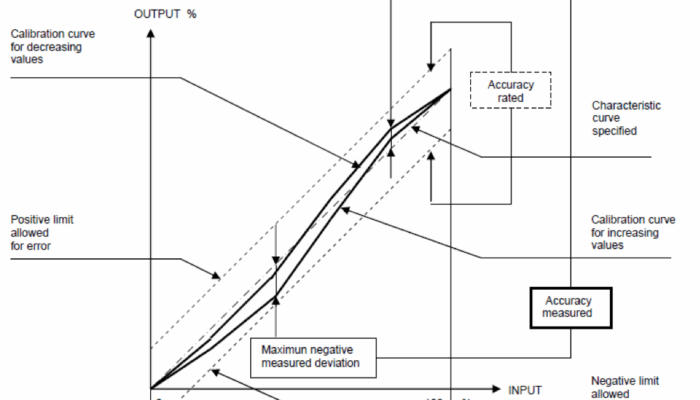
Calibration is the process of adjusting an instrument’s output to align with a known reference standard. Regular calibration is essential to compensate for wear, environmental changes, and potential instrument drift over time. Neglecting calibration can result in substantial errors, which may have serious consequences in precision-dependent industries such as pharmaceuticals and aerospace.
User Expertise and Operational Practices
The proficiency of the operator significantly affects measurement accuracy. Proper training, adherence to standardized measurement protocols, and awareness of instrument limitations are critical to minimizing user-induced errors. Misuse or misunderstanding of equipment can introduce inaccuracies that are mistakenly attributed to the instrument itself.
Technological Advances Enhancing Accuracy
Modern instrumentation benefits from technological innovations that improve accuracy and reduce human error. Digital sensors, automated data acquisition systems, and feedback control mechanisms enable real-time adjustments and higher precision. These advancements facilitate more reliable data collection across various scientific and industrial applications.
Applications and Importance of Accuracy
Accuracy holds varying degrees of importance depending on the field of application:
- Scientific Research:
Accurate measurements are fundamental for hypothesis validation, reproducibility of experiments, and advancing knowledge. - Manufacturing:
Precision in measurements ensures product quality, safety, and compliance with regulatory standards. - Environmental Monitoring:
Reliable data is crucial for assessing ecological impacts and implementing effective environmental policies.
Common Misconceptions About Accuracy
Accuracy and precision are the same.
Accuracy refers to closeness to the true value, while precision relates to the consistency of repeated measurements.
Calibration guarantees perfect accuracy.
Calibration improves accuracy but cannot eliminate all errors, especially those caused by environmental factors or user mistakes.
Conclusion: The Significance of Accuracy in Instrumentation
Accuracy in measurement is a multifaceted concept that encompasses error types, influencing factors, and practical applications. It is a cornerstone of reliable scientific inquiry and technological development, ensuring that data and results are trustworthy. By comprehensively understanding and managing accuracy, individuals and organizations can enhance measurement quality, drive innovation, and uphold standards across diverse disciplines.
FAQ
What is accuracy in instrumentation?
Accuracy is the degree to which a measurement matches the true or accepted value, reflecting the correctness of the measurement.
How do systematic and random errors differ?
Systematic errors cause consistent bias due to identifiable issues like calibration faults, while random errors are unpredictable fluctuations that can be minimized by repeated measurements.
Why is user proficiency critical to accuracy?
Proper knowledge and handling of instruments reduce operator-induced errors and ensure measurements reflect the instrument's true capability.
How often should instruments be calibrated?
Calibration frequency depends on usage, environment, and precision requirements but should be regular enough to prevent drift from affecting accuracy.
What role does technology play in improving accuracy?
Technological advances reduce human error and environmental impact on measurements through automation, digital sensors, and real-time feedback systems.


Leave a Reply