

Short Answer
Definition of Light and Its Nature
Light is a form of electromagnetic radiation that propagates in wave-like patterns. It is not a static phenomenon but a dynamic entity traveling at an extraordinary speed of approximately 299,792 kilometers per second in a vacuum. This rapid movement allows photons-the fundamental particles of light-to traverse space until they encounter an interaction with matter or dissipate naturally.
What Happens When a Light Source Is Turned Off?
When a light source is extinguished, the immediate environment begins to darken as the emission of new photons ceases. However, the photons emitted just before the source was switched off continue their journey until they are absorbed, scattered, or otherwise interrupted. This means that light does not vanish instantaneously but fades as the last photons complete their trajectories.
Light Persistence and Afterglow Phenomena
One intriguing aspect of light behavior after the source is turned off is the persistence of illumination in certain materials. Phosphorescent substances, for example, absorb photons and store their energy, releasing it gradually over time. This delayed emission results in a glow that can last well beyond the presence of the original light source, albeit at a diminished intensity.
Phosphorescence Explained
- Energy Absorption:
Phosphorescent materials capture and hold photon energy during exposure to light. - Delayed Emission:
The stored energy is slowly released as visible light, creating a sustained glow after the light source is removed.
Environmental Influences on Light After Extinction
The behavior of light following the shutdown of its source is significantly affected by atmospheric and surface conditions. Variables such as humidity, temperature, and air pressure can alter how light scatters and dissipates.
Atmospheric Scattering
In environments with fog, mist, or dust, light scattering can create a lingering ambient glow. This phenomenon extends the perception of illumination, making areas appear brighter for a short time after the light source is no longer active.
Surface Interaction
- Absorptive Surfaces:
Dark or matte surfaces absorb most photons, causing rapid darkening once the light source is off. - Reflective Surfaces:
Light-colored or glossy surfaces reflect residual photons, prolonging visibility and light presence in the environment.
Quantum Mechanical Perspective on Light’s Fate
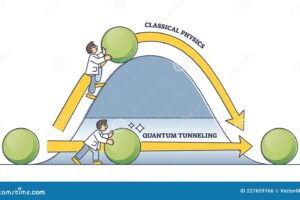
From the standpoint of quantum mechanics, photons exhibit wave-particle duality, existing in probabilistic states that determine their paths and interactions. When a light source ceases emission, the last photons follow quantum-defined trajectories, which may result in absorption, scattering, or transformation into other energy forms such as heat or kinetic energy. This process aligns with the principle of energy conservation in physics.
Applications and Implications of Light Behavior Post-Emission
Understanding what happens to light after its source is turned off has practical significance in various technological and natural contexts.
Technological Innovations
Modern lighting solutions, including energy-efficient LEDs and fiber optic systems, rely on detailed knowledge of light propagation, absorption, and reflection. These technologies optimize performance by harnessing the principles governing light’s behavior after emission stops.
Biological Relevance
In nature, the diminishing sunlight at dusk affects processes like photosynthesis. Plants utilize stored energy reserves to maintain metabolic activities during periods without direct light, paralleling the concept of phosphorescence in materials.
Common Misconceptions About Light Extinction
Light disappears instantly when the source is turned off.
Photons already emitted continue traveling until absorbed or scattered, so light fades rather than vanishes immediately.
Darkness is simply the absence of light.
Darkness results from the cessation of photon emission and the absorption or scattering of residual photons by the environment.
Why Understanding Light’s Post-Source Behavior Is Important
Exploring the fate of light after its source is extinguished deepens our comprehension of fundamental physical laws and enhances technological advancements. It also enriches our appreciation of natural phenomena and their intricate connections to light’s transient yet persistent nature. This knowledge continues to inspire scientific inquiry and innovation across disciplines.
FAQ
What happens to light when its source is turned off?
When a light source is turned off, the last emitted photons continue traveling until absorbed or scattered, causing light to fade gradually.
What is phosphorescence?
Phosphorescence is the phenomenon where certain materials absorb light and re-emit it slowly, creating a glow after the light source is removed.


Leave a Reply