
Short Answer
Definition of Radioactivity
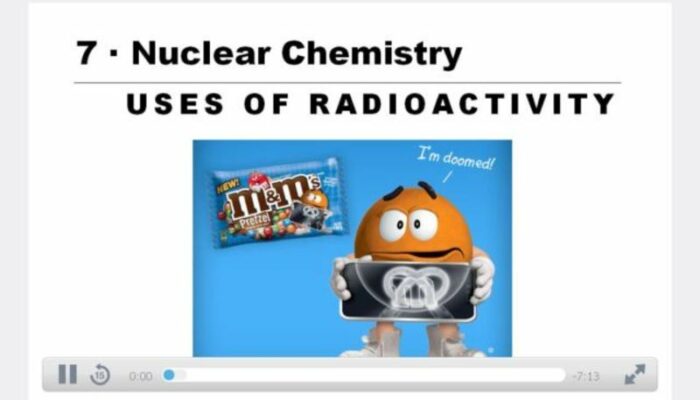
Radioactivity is a natural process in which unstable atomic nuclei release energy in the form of radiation as they transform into more stable forms. This phenomenon, while inherently hazardous due to its energetic emissions, has been harnessed across various fields to drive innovation and improve processes. The controlled use of radioactive materials has become essential in numerous industries, demonstrating both its potential risks and remarkable benefits.
Applications of Radioactivity in Medicine
The medical sector is a primary beneficiary of radioactive technology, particularly through the use of radioactive isotopes in diagnostic imaging. Techniques such as positron emission tomography (PET) and single-photon emission computed tomography (SPECT) rely on radioactive tracers to visualize physiological functions within the body. These tracers emit gamma rays that provide detailed images of metabolic activity, enabling precise diagnosis of diseases including cancer and cardiovascular disorders. This integration of radioactivity into clinical practice enhances diagnostic accuracy and informs effective treatment strategies.
Role of Radioactivity in Energy and Resource Exploration
Radioactivity plays a crucial role in the oil and gas industry by aiding in the exploration and extraction of hydrocarbons. Geophysical methods utilize radioactive isotopes to analyze underground formations, with gamma-ray logging being a key technique. This method measures the natural gamma radiation emitted by rock layers, helping geologists identify potential reservoirs and optimize drilling operations. Consequently, radioactivity serves as a vital tool for improving efficiency and maximizing energy resource recovery.
Radioactivity in Agriculture and Food Safety
In agriculture, radioactive isotopes are employed to study nutrient absorption and distribution within plants through radiolabeling. This approach provides valuable insights into plant physiology, contributing to enhanced crop yields and pest resistance. Additionally, radiation is used to sterilize food products, effectively eliminating harmful microorganisms and extending shelf life. These applications support sustainable agricultural practices and improve food security by ensuring safety and quality.
Industrial Uses: Quality Control and Material Testing
Within construction and manufacturing, radioactivity is instrumental in non-destructive testing methods such as radiographic inspection. Gamma rays and X-rays are used to examine welds and materials for internal defects, ensuring structural soundness in buildings, bridges, and other infrastructures. Nuclear gauges also measure moisture and density in construction materials, helping maintain compliance with safety and quality standards. These applications underscore the importance of radioactivity in safeguarding engineering integrity.
Scientific Research and Development
Radioactive isotopes are invaluable in research laboratories for tracing chemical and biological processes. By tracking the movement and interaction of radioisotopes, scientists can unravel complex reaction mechanisms and transport phenomena. This knowledge facilitates the development of new materials and technologies, driving innovation across multiple scientific disciplines.
Nuclear Power Generation
The nuclear energy sector exemplifies the large-scale application of radioactivity through nuclear fission. This process involves splitting heavy atomic nuclei, such as uranium or plutonium, releasing vast amounts of energy used to generate electricity. Nuclear reactors harness this energy to supply a significant portion of the world’s power needs. While offering a low-carbon energy source, nuclear power also demands stringent safety measures to manage radioactive materials and minimize environmental impact.
Radioactivity in Archaeology: Radiocarbon Dating
Radiocarbon dating is a pivotal archaeological technique that utilizes the decay of carbon-14 isotopes to determine the age of organic artifacts up to approximately 50,000 years old. This method provides a chronological framework for understanding historical and prehistoric events, enabling researchers to reconstruct the timeline of human civilization and natural history.
Challenges and Safety Considerations
- Radioactive Waste Management:
Proper disposal and containment of radioactive waste are critical to prevent environmental contamination and protect public health. - Personnel Safety:
Strict safety protocols and protective measures are essential to safeguard workers handling radioactive materials from exposure. - Regulatory Oversight:
Comprehensive regulations govern the use, transport, and storage of radioactive substances to ensure responsible and secure applications.
Significance of Radioactivity in Modern Society
Radioactivity represents a powerful yet complex force that permeates diverse sectors, from healthcare and agriculture to energy and scientific research. Its ability to provide diagnostic insights, enhance industrial processes, and generate sustainable energy highlights its indispensable role in contemporary life. Balancing the benefits of radioactivity with its inherent risks remains a critical endeavor, fostering ongoing advancements while prioritizing safety and environmental stewardship.
FAQ
What are the main industrial applications of radioactivity?
Radioactivity is used in medicine for diagnostic imaging, in energy sectors for exploration and nuclear power, in agriculture for radiolabeling and food sterilization, in industrial quality control through non-destructive testing, and in archaeological dating.
Is radioactivity dangerous to use in industries?
While radioactivity involves inherent hazards, strict safety protocols, regulatory oversight, and proper waste management mitigate risks, making its industrial use safe and beneficial.
How does radioactivity aid in oil and gas exploration?
Radioactive isotopes are employed in gamma-ray logging to analyze underground rock formations, helping identify hydrocarbon reservoirs and optimize drilling operations.
What is radiocarbon dating and how is it related to radioactivity?
Radiocarbon dating uses the decay of carbon-14 isotopes to estimate the age of organic materials, providing chronological data crucial for archaeological research.




Leave a Reply