
Short Answer
Definition of Biomimicry in Wind Energy
Biomimicry refers to the practice of drawing inspiration from natural organisms and ecosystems to develop innovative technological solutions. In the context of wind energy, this involves studying the physical and behavioral traits of marine life, particularly fish, to enhance the design and efficiency of wind turbines and wind farms. By emulating the evolutionary adaptations of fish, engineers aim to create wind energy systems that are more efficient, adaptive, and environmentally harmonious.
Biological Inspirations from Fish Morphology
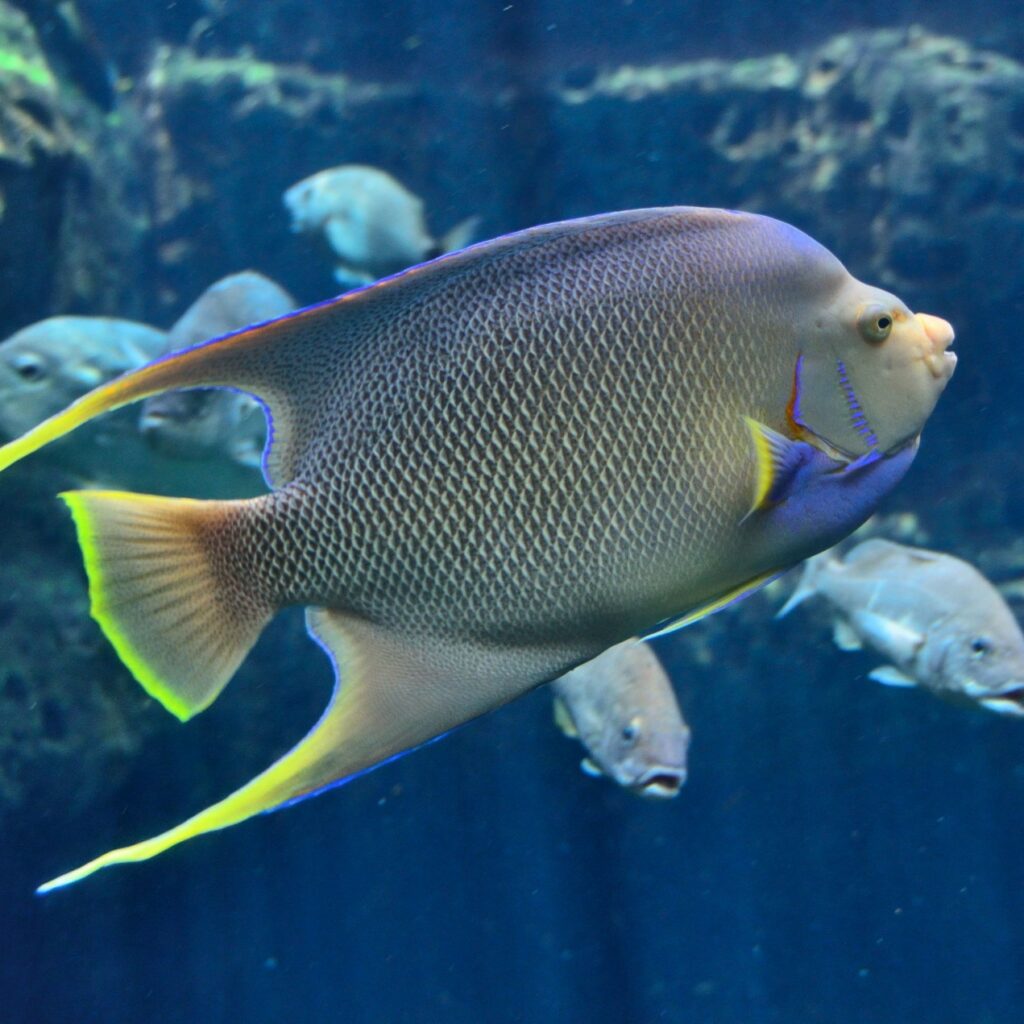
Fish possess streamlined bodies and specialized fins that enable them to move efficiently through water. These morphological features are not only aesthetically pleasing but serve critical hydrodynamic functions. Over millions of years, fish have evolved to navigate complex aquatic environments, optimizing their movement to reduce drag and increase maneuverability. Translating these biological principles into wind turbine design can lead to rotor blades that capture wind energy more effectively while minimizing turbulence.
- Streamlined Bodies:
Fish bodies reduce resistance in water, a concept that can be applied to turbine blade shapes to improve aerodynamic performance. - Fin Structures:
The flexible and adaptive nature of fins inspires the development of blades capable of adjusting to varying wind directions and speeds.
Mechanisms of Fish-Inspired Wind Turbine Designs
Wind turbines modeled after fish anatomy incorporate multi-directional and flexible blades that mimic fin movements. These blades can adjust dynamically to changing wind conditions, similar to how fish fins adapt to currents. This biomimetic approach aims to maximize the energy capture coefficient, enhancing overall turbine efficiency. Additionally, the concept of oscillatory and undulating motions observed in certain fish species offers alternative mechanical strategies for wind energy conversion.
Innovative Blade Movements and Their Advantages
Fish exhibit diverse swimming techniques, including oscillation and continuous undulation. Conventional wind turbines typically rely on oscillatory blade rotation, but incorporating undulating blade motions could improve adaptability and durability. Flexible blades inspired by eel-like movements may better withstand fluctuating wind forces, reducing mechanical stress and maintenance needs.
Integration of Sensory Systems in Wind Turbines
Fish utilize sophisticated sensory organs to detect changes in their environment, such as water flow and pressure variations. Incorporating similar sensor technologies into wind turbines can enable real-time monitoring of wind patterns and turbulence. This data can feed into adaptive control systems that optimize blade positioning and turbine operation, leading to enhanced energy production and system longevity.
Wind Farm Layouts Inspired by Fish Schooling Behavior
Schooling fish demonstrate collective behaviors that reduce drag and improve swimming efficiency through strategic spatial arrangements. Applying these principles to wind farm design involves positioning turbines to minimize aerodynamic interference and maximize collective energy output. Such configurations can also reduce land use and environmental impact, promoting sustainable development.
Ecological Synergies Between Wind Farms and Marine Environments
Fish play essential roles in aquatic ecosystems by facilitating nutrient cycling and energy flow. Similarly, wind farms can be designed to support local biodiversity by incorporating features such as artificial reefs or marine habitats on turbine platforms. This dual-purpose approach not only generates renewable energy but also enhances ecological health, fostering a symbiotic relationship between technology and nature.
Challenges and Interdisciplinary Approaches
Integrating biological insights into wind turbine engineering presents complex challenges, particularly in understanding fluid dynamics across different mediums. Addressing these requires collaboration among biologists, engineers, and environmental scientists to develop designs that are both efficient and ecologically responsible. Such interdisciplinary efforts are crucial for advancing sustainable wind energy technologies.
Philosophical and Technological Implications
The fusion of natural design principles with human engineering reflects a shift from anthropocentric to ecocentric innovation paradigms. Recognizing the inherent wisdom in natural systems encourages the development of technologies that coexist harmoniously with the environment. This biomimetic approach blurs the boundaries between nature and technology, paving the way for renewable energy solutions that are as fluid and adaptive as the ecosystems they emulate.
Real-World Applications and Future Prospects
Current research and prototype developments demonstrate the potential of fish-inspired wind turbines to revolutionize energy capture. Flexible blades, adaptive control systems, and optimized turbine layouts are being tested to validate these concepts. As these innovations mature, they promise to enhance the efficiency, resilience, and ecological compatibility of wind farms worldwide.
Common Misconceptions About Biomimicry in Wind Energy
Biomimicry is merely aesthetic imitation.
Biomimicry involves functional and structural emulation of natural systems to solve engineering challenges effectively.
Fish-inspired designs are too complex for practical wind turbine applications.
Advances in materials science and control systems make it feasible to implement adaptive, biomimetic turbine components.
Why Biomimicry Matters in Sustainable Energy
Incorporating biological principles into wind energy technology enhances efficiency, adaptability, and environmental integration. This approach supports the global transition away from fossil fuels by fostering renewable energy solutions that are both innovative and ecologically sound. By learning from nature’s time-tested designs, the wind power sector can achieve breakthroughs that benefit society and the planet alike.
FAQ
What is biomimicry in wind energy?
Biomimicry in wind energy refers to the practice of emulating natural organisms, particularly fish, to improve the design and efficiency of wind turbines.
How do fish inspire wind turbine designs?
Fish inspire wind turbine designs through their streamlined bodies and adaptive fin structures, which can lead to more efficient and flexible turbine blades.




Leave a Reply