
Short Answer
Definition of Medical Physics
Medical physics is an interdisciplinary science that merges principles from physics, medicine, and engineering to enhance healthcare. It primarily focuses on the application of physical concepts and technologies to diagnose and treat diseases, with a significant emphasis on oncology. This field plays a crucial role in developing and optimizing medical imaging techniques, radiation therapy, and other therapeutic technologies that improve patient outcomes.
Educational Pathways in Medical Physics
As the demand for skilled medical physicists rises, numerous universities worldwide offer specialized programs designed to train students in this dynamic field. These programs combine rigorous academic coursework with hands-on clinical experience and research opportunities, preparing graduates to contribute effectively to medical technology and patient care.
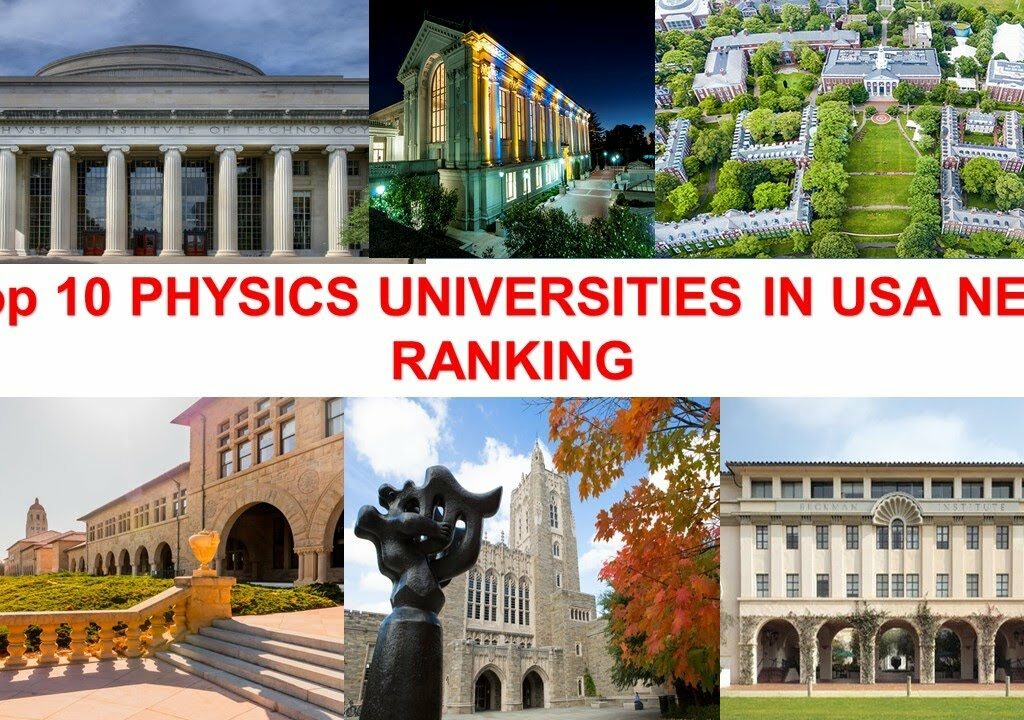
Top Universities Offering Medical Physics Programs
University of Wisconsin-Madison
Recognized for its comprehensive Medical Physics graduate program, the University of Wisconsin-Madison is accredited by the Commission on Accreditation of Medical Physics Educational Programs (CAMPEP). The program provides students with access to cutting-edge imaging and treatment planning technologies. Faculty members are actively involved in pioneering research areas such as radiation therapy and diagnostic imaging, fostering a collaborative environment where students engage with experts to advance medical technologies.
Massachusetts Institute of Technology (MIT)
MIT’s Department of Nuclear Science and Engineering offers a distinguished medical physics program emphasizing interdisciplinary research. Students benefit from involvement in innovative projects related to medical imaging and radiation therapy optimization. Located in the Greater Boston area, a hub for health technology, MIT provides unique opportunities for internships and partnerships with leading hospitals and research centers, promoting a culture of innovation in radiology and medical physics.
University of Chicago
The University of Chicago’s Division of the Physical Sciences delivers a rigorous medical physics curriculum that balances theoretical knowledge with practical application. The program encourages students to participate in research addressing current challenges in medical imaging and radiation therapy. With a strong emphasis on critical thinking and scientific dialogue, students gain access to advanced research facilities and expert faculty, enabling significant contributions to the field.
Duke University
Duke University integrates a robust medical physics curriculum with extensive clinical training through its affiliation with the Duke Health System. This unique combination allows students to gain invaluable hands-on experience in clinical settings, preparing them for the complexities of real-world medical environments. The program’s focus on patient-centered care and innovative treatment techniques makes it ideal for those interested in applying advanced technology in therapeutic contexts.
University of California, Los Angeles (UCLA)
UCLA’s medical physics program is noted for its interdisciplinary approach, blending physics with clinical practice. Affiliated with the UCLA Medical Center, students have direct exposure to clinical cases and collaborate closely with healthcare professionals. Research opportunities span radiation oncology, medical imaging, and clinical quality assurance, equipping students with both technical expertise and a comprehensive understanding of healthcare systems.
Johns Hopkins University
Johns Hopkins University is globally renowned for its medical research and innovation. Its medical physics program benefits from close ties to the Johns Hopkins Medical Institutions, offering students unparalleled access to clinical environments and state-of-the-art research facilities. The curriculum emphasizes integrating physiological principles with advanced imaging techniques, essential for developing effective patient treatment protocols. Ethical considerations in research are also a key component, highlighting the broader impact of medical physics in healthcare.
Stanford University
Stanford University promotes an integrated educational model that encourages collaboration across physics, engineering, and medicine. Its medical physics program addresses modern challenges in medical imaging and radiation therapy through a comprehensive curriculum. Proximity to Silicon Valley fosters a culture of innovation, enabling students to explore emerging technologies that have the potential to transform patient care. Stanford’s commitment to cutting-edge research and abundant academic resources makes it a top choice for aspiring medical physicists.
University of Pennsylvania
The University of Pennsylvania offers a well-rounded medical physics program combining academic rigor with extensive clinical exposure. Affiliated with Penn Medicine, students apply theoretical knowledge in clinical settings early in their training. The curriculum covers critical topics such as radiation therapy, medical imaging, and radiation protection physics, preparing students to adeptly navigate the complexities of the medical physics profession.
Importance of Medical Physics Education
Choosing the right institution for medical physics education is a pivotal step that influences career development. The universities highlighted above exemplify excellence through their unique strengths, including advanced research, clinical integration, and innovative technologies. As medical physics continues to evolve, these programs equip students with the expertise and experience necessary to drive advancements in healthcare, ultimately improving patient diagnosis and treatment worldwide.
FAQ
What is medical physics?
Medical physics is an interdisciplinary science merging physics, medicine, and engineering to develop and optimize technologies for disease diagnosis and treatment.
Why choose an accredited medical physics program?
Accreditation ensures the program meets industry standards, provides quality education, and prepares students for certification and clinical practice.
What career opportunities does medical physics education open?
Graduates can work in medical imaging, radiation therapy, clinical research, hospital physics departments, and medical device development.
How important is clinical experience during medical physics training?
Clinical experience is critical for applying theoretical knowledge practically and understanding patient care environments.



Leave a Reply