
Short Answer
Definition of Trapped Ion Quantum Computing
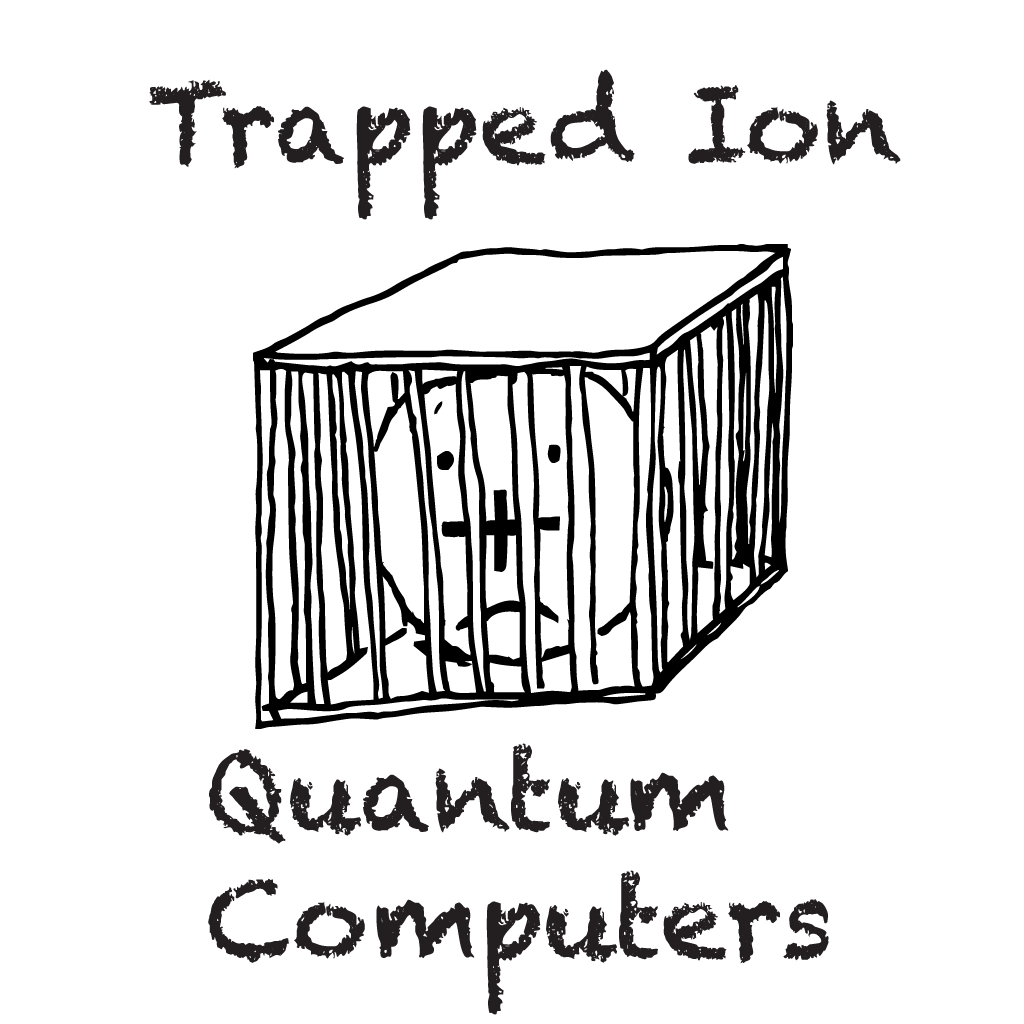
Trapped ion quantum computing is a cutting-edge approach within the rapidly evolving domain of quantum information processing. It utilizes charged atomic particles, known as ions, confined and manipulated using electromagnetic fields to perform quantum computations. This technology harnesses the unique principles of quantum mechanics, enabling computational capabilities far beyond those of classical computers.
Fundamental Principles and Mechanisms
At the core of trapped ion quantum computers is the precise control of ions suspended in a vacuum by electromagnetic traps. These traps are generated through carefully engineered laser beams and electric fields, which hold the ions in fixed positions. The ability to manipulate the quantum states of these ions with exceptional accuracy allows for the execution of quantum gate operations with minimal errors, a critical factor for reliable quantum computation.
Quantum State Manipulation
Quantum gates in trapped ion systems are implemented by using laser pulses to induce interactions between ions. These interactions enable the creation of entangled states, where the quantum states of multiple ions become interdependent. Entanglement is essential for quantum algorithms that exploit superposition and quantum parallelism, such as Shor’s algorithm for factoring and Grover’s search algorithm.
Coherence and Stability
One of the standout features of trapped ion quantum computers is their long coherence times-the duration over which quantum information remains intact without significant decoherence. Compared to other quantum platforms like superconducting qubits, trapped ions can preserve their quantum states for seconds or longer. This extended coherence window supports the execution of complex quantum algorithms requiring many sequential operations and enhances the feasibility of implementing quantum error correction protocols.
Scalability and Engineering Challenges
Scaling trapped ion systems to accommodate more qubits is a major focus of ongoing research. Advances in microfabrication and laser technology are driving the development of architectures such as linear ion traps and two-dimensional ion arrays. Increasing the number of qubits boosts computational power but also introduces challenges, including maintaining coherence across the system and minimizing crosstalk between qubits.
Technical Obstacles in Scaling
- Qubit Crosstalk:
As more ions are packed into traps, unwanted interactions between qubits can occur, leading to errors. - Coherence Degradation:
Larger systems face increased difficulty in preserving quantum coherence over all qubits simultaneously.
Overcoming these issues demands innovative engineering solutions combined with deep insights into quantum physics, highlighting the interdisciplinary nature of trapped ion research.
Hybrid Quantum Architectures
Researchers are exploring hybrid systems that integrate trapped ions with other quantum technologies to capitalize on their respective strengths. For example, coupling trapped ions with superconducting qubits could merge the long coherence times of ions with the fast gate speeds of superconductors. Such hybrid approaches aim to mitigate individual limitations and pave the way for more versatile and powerful quantum computers.
Applications of Trapped Ion Quantum Computers
The potential uses of trapped ion quantum computing span a wide array of scientific and technological fields:
- Cryptography:
Quantum algorithms can factor large numbers efficiently, threatening current encryption methods and inspiring new quantum-resistant cryptographic protocols. - Material Science and Chemistry:
Simulating quantum chemical systems with high precision could accelerate drug discovery and the design of novel materials. - Optimization Problems:
Quantum computing offers new strategies for solving complex optimization challenges in logistics, finance, and artificial intelligence.
Philosophical and Scientific Implications
Beyond practical applications, trapped ion quantum computing stimulates profound questions about the nature of reality, computation, and information. By bridging classical and quantum paradigms, these systems challenge traditional concepts of computability and expand the boundaries of human knowledge. This intersection of theory and experiment fosters interdisciplinary engagement and underscores the transformative potential of quantum technologies.
Conclusion: The Future of Trapped Ion Quantum Computing
Trapped ion quantum computers represent a promising frontier in quantum technology, combining robust experimental techniques with innovative engineering. Their exceptional coherence, precise control, and scalability prospects position them as leading candidates for realizing fault-tolerant quantum computation. As research progresses, these systems are poised to revolutionize computational capabilities and deepen our understanding of quantum mechanics, heralding a new era of technological advancement and scientific discovery.
FAQ
What are trapped ion quantum computers?
Trapped ion quantum computers utilize charged atomic particles confined by electromagnetic fields to perform quantum computations, offering advantages like high coherence times.
What are the applications of trapped ion quantum computing?
Applications include cryptography, material science, and solving complex optimization problems.





Leave a Reply