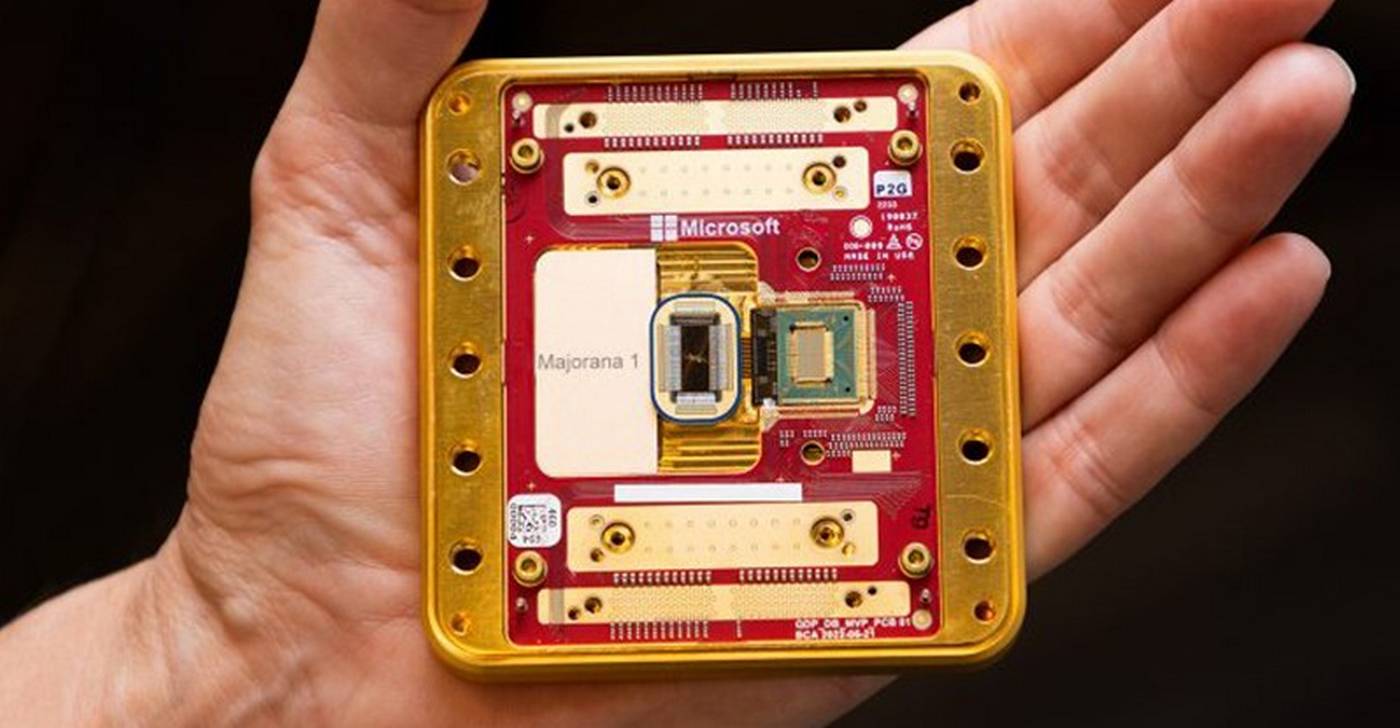
What are some of the quantum chip projects from Microsoft?

Overview of Microsoft’s Quantum Computing Initiatives Microsoft is a leading force in the rapidly evolving domain of quantum computing, driving innovations that promise to transform traditional computational frameworks. By merging principles of quantum mechanics with computational theory, Microsoft’s projects have far-reaching implications across diverse sectors such as cryptography, material science, and beyond. This article explores […]


Read More →

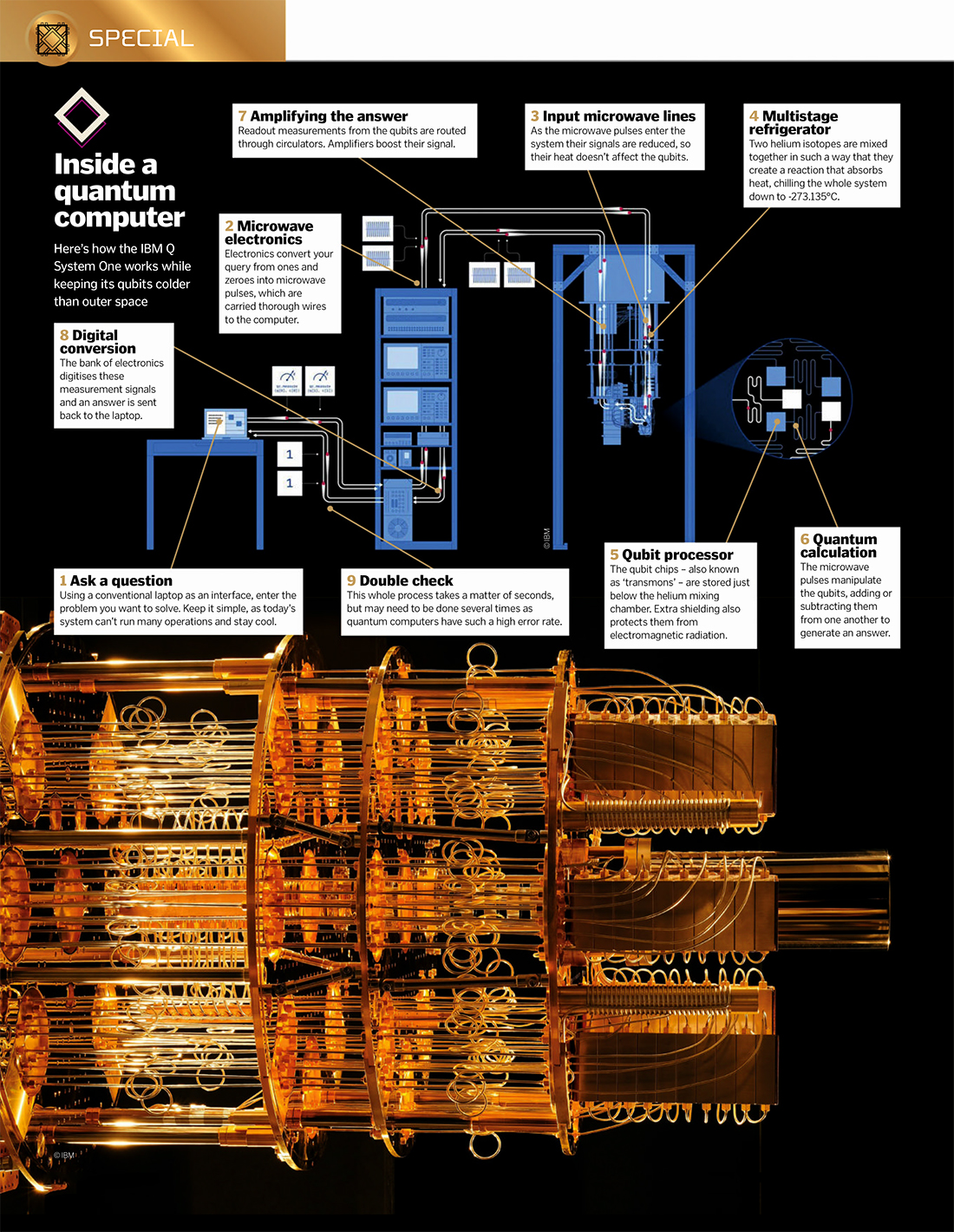
Why are quantum computers so special?

Understanding Quantum Computing Quantum computing represents a groundbreaking shift in the field of computation, distinguished by its foundation in quantum mechanics rather than classical binary logic. Unlike traditional computers that operate using bits confined to either 0 or 1, quantum computers utilize quantum bits, or qubits, which can exist in multiple states simultaneously. This fundamental […]

Read More →

How can a large scale quantum computer be built?

Definition of Large-Scale Quantum Computing Large-scale quantum computing refers to the development and operation of quantum computers that utilize thousands to millions of quantum bits (qubits) to perform computations far beyond the capabilities of classical supercomputers. These advanced machines harness the principles of quantum mechanics to process information in fundamentally new ways, promising breakthroughs in […]

Read More →

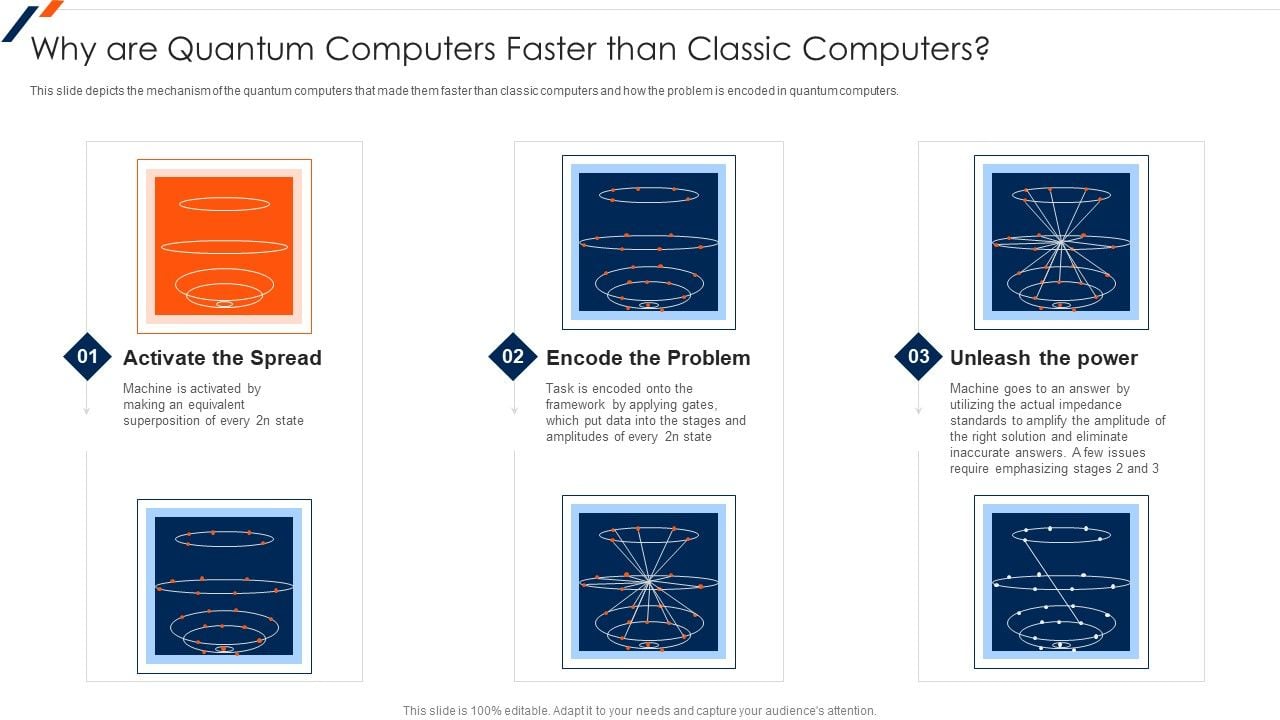
Are quantum computers faster than classical computers?

Understanding Quantum and Classical Computing The debate over whether quantum computers outperform classical computers remains a captivating and complex topic. To appreciate this discussion, it is essential to first distinguish the fundamental differences between these two computing paradigms. Definition of Classical Computing Classical computers have been the cornerstone of technology for decades, operating based on […]

Read More →

How many quantum programming languages are there?

Understanding Quantum Programming Languages Quantum programming languages are specialized tools designed to harness the unique capabilities of quantum computing. They translate complex quantum algorithms into executable instructions for quantum processors, bridging the gap between theoretical quantum mechanics and practical computation. These languages are essential for managing the intricate operations of quantum bits (qubits) and quantum […]

Read More →

Are quantum computers capable of running a C++ code?

Understanding Quantum Computing Quantum computing marks a revolutionary shift in how computations are performed, utilizing the principles of quantum mechanics to achieve processing speeds far beyond those of traditional computers. Unlike classical systems that rely on binary bits, quantum computers operate with quantum bits, or qubits, which can exist simultaneously in multiple states due to […]

Read More →

Why are Quantum Computers so interesting?

Understanding Quantum Computing Quantum computing represents a revolutionary approach to processing information, captivating scientists, engineers, and futurists worldwide. Rooted in the principles of quantum mechanics, this technology promises to transform computation by harnessing phenomena that defy classical logic. Its potential applications span diverse fields such as cryptography, optimization, and materials science, signaling a profound shift […]

Read More →

Will quantum computing enable more advanced AI?

Understanding Quantum Computing and Artificial Intelligence As we approach a new era in technology, the convergence of quantum computing and artificial intelligence (AI) raises an intriguing question: can quantum computing drive the evolution of more sophisticated AI systems? This question, while seemingly direct, unfolds a complex landscape of scientific, technical, and ethical considerations. The fusion […]

Read More →

What could we do with quantum entanglement?

Understanding Quantum Entanglement Quantum entanglement is a captivating phenomenon within quantum mechanics where two or more particles become interconnected in such a way that the state of one particle instantaneously influences the state of the other, regardless of the distance separating them. This non-local correlation defies classical physics’ constraints, suggesting a deep, intrinsic link between […]

Read More →