Exploring quantum computing use cases for logistics?

Quantum computing emerges as a revolutionary paradigm, poised to disrupt numerous industries, with logistics standing out as a particularly ripe application. The convergence of quantum mechanics and computational prowess provides unique opportunities to revolutionize the logistics sector, characterized by its complexity, data-intensive nature, and demand for efficiency. This article delves into several key quantum computing […]

Read More β†’

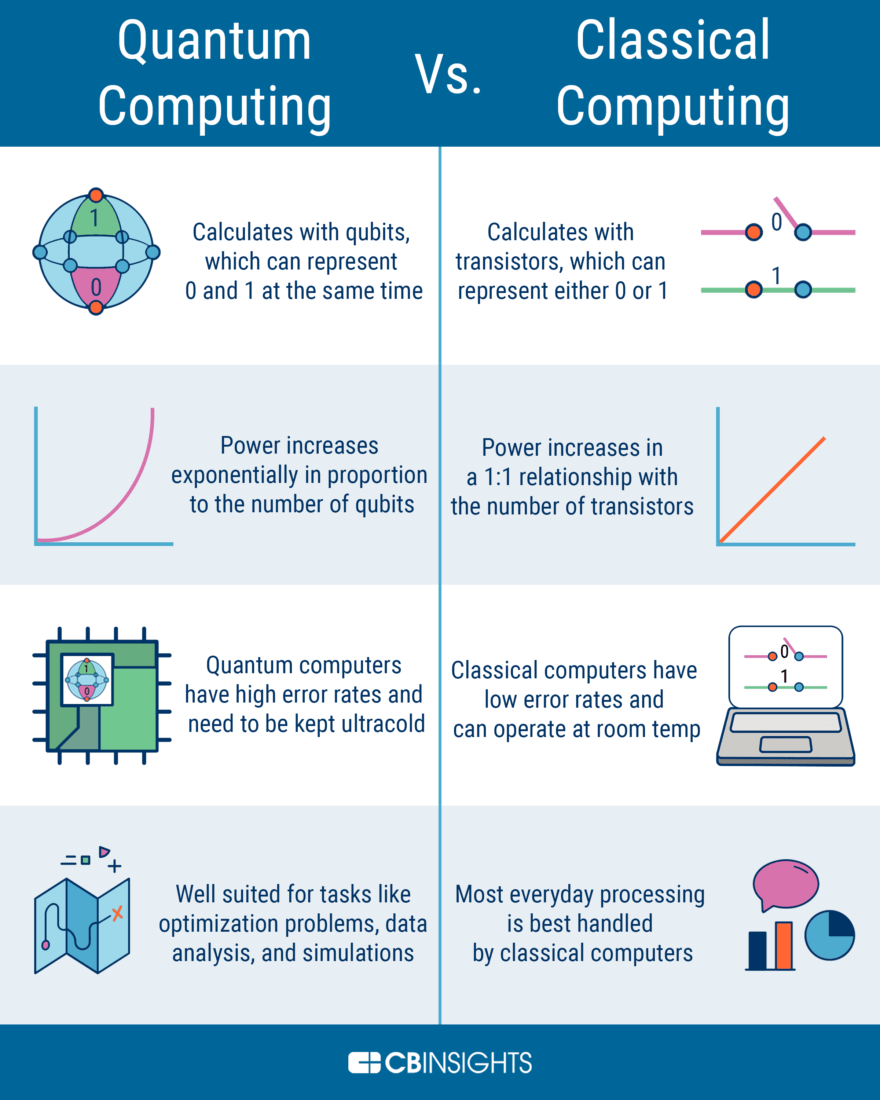
How do quantum computers differ from classical computers?

In the rapidly advancing field of computer science, the distinction between quantum and classical computers presents not only a substantial technological divergence but also a profound shift in the realm of computation itself. As we delve into the intricacies of these two paradigms, we unveil not only their mechanical differences but also the philosophical implications […]

Read More β†’

Why can’t computers simulate quantum computers?

Quantum computing represents a paradigm shift in computational capabilities that defy the conventional limits imposed by classical computers. As they delve deeper into the quantum realm, researchers often grapple with a fundamental question: why is it so challenging for classical computers to accurately simulate quantum computers? This inquiry not only highlights the intricacies of quantum […]

Read More β†’

Can you explain Qubit vs. Binary?

The realm of quantum computing is an exhilarating domain that captures both the imagination and intellect of scientists and enthusiasts alike. At the heart of this field lies a fundamental concept that stands in stark contrast to classical computing: the qubit. One may ponder, what precisely distinguishes a qubit from a binary bit? This inquiry […]

Read More β†’

How quantum computing works and why it’s important?

Quantum computing represents a paradigm shift in the landscape of computation, leveraging the principles of quantum mechanics to process information in fundamentally different ways than classical computers. At its core, quantum computing operates on the unique properties of qubits, the quantum analog of classical bits, which can exist in multiple states simultaneously due to phenomena […]

Read More β†’

How different is quantum computing from super computing?

The field of computing has witnessed monumental strides over the last few decades, but two paradigms have stood out prominently: quantum computing and supercomputing. Each approach represents a unique philosophy in tackling complex problems, yet they operate on fundamentally different principles. This discourse will dissect the variance between quantum computation and supercomputing, while engaging with […]

Read More β†’

What is UChicago’s current work on Quantum Computing?

Quantum computing represents a significant leap in computational capabilities, poised to revolutionize realms such as cryptography, artificial intelligence, and materials science. At the forefront of this burgeoning field is the University of Chicago, an institution that has carved a niche in advancing quantum technologies through innovative research and interdisciplinary collaboration. This article endeavors to explore […]

Read More β†’

Is quantum computing worth the leaps of faith?

In the rapidly evolving landscape of technology, few domains elicit the same fervent intrigue and speculation as quantum computing. Like a contemporary alchemist’s dream, where the abstract dances with the tangible, quantum computing evokes a realm that promises transformations of unprecedented magnitude. Yet, as we traverse this conceptual labyrinth, a pivotal question emerges: Is quantum […]

Read More β†’