Should CERN be stopped?

In contemporary scientific discourse, few institutions evoke as much debate as the European Organization for Nuclear Research, commonly known as CERN. Nestled beneath the Swiss-French border, this monumental laboratory orchestrates experiments that delve into the subatomic universe, unveiling secrets that govern the fabric of reality. However, one prevailing question looms large within public and scholarly […]

Read More →

What is CERN? What are they discovering there?

The European Organization for Nuclear Research, commonly known as CERN, stands as a monumental bastion of scientific research in the realm of particle physics. Established in 1954, CERN has continually pushed the boundaries of our understanding of the universe. The organization operates the world’s largest and most sophisticated particle accelerator, the Large Hadron Collider (LHC), […]

Read More →

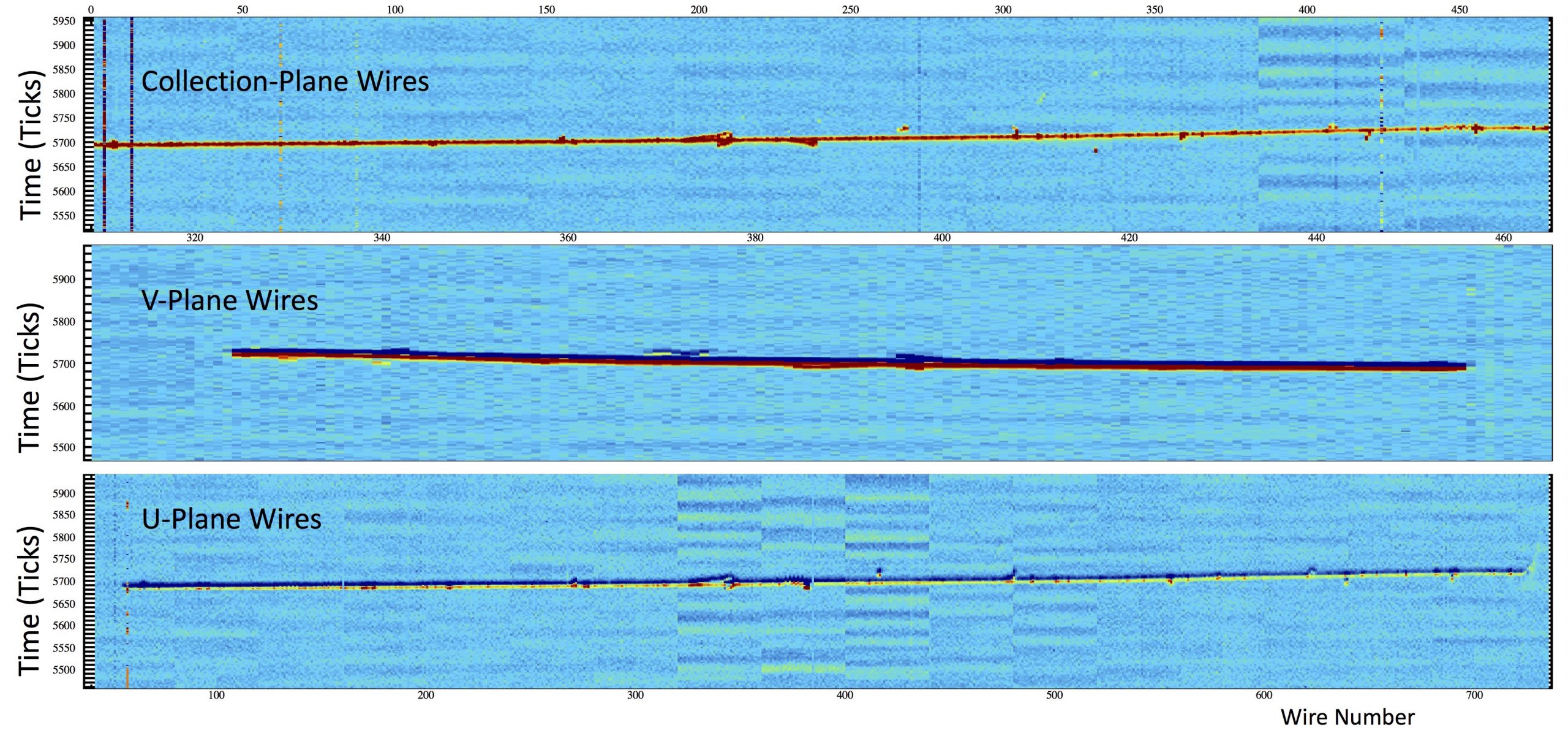
If neutrinos have mass

Neutrinos are among the most elusive and intriguing particles in the universe. They are produced in copious amounts through nuclear reactions in stars, during interactions in supernovae, and even from the decay of radioactive elements on Earth. Despite their abundance, neutrinos are notoriously difficult to detect. The question of whether neutrinos possess mass has fascinated […]

Read More →

What exactly does a particle physicist do?

Particle physics, often regarded as the fundamental bedrock of modern science, investigates the most elemental constituents of matter and their intricate interactions. But have you ever pondered the question: what precisely does a particle physicist do? This inquiry is not merely a question of occupation, but rather an invitation into the labyrinthine realm of subatomic […]

Read More →

What is the Higgs boson

The Higgs boson stands as one of the most celebrated discoveries in contemporary particle physics, a particle that was once merely a theoretical construct. But what is the Higgs boson, and why does it evoke both intrigue and complexity in the realm of fundamental physics? One might ask: can a particle fundamentally imbue mass to […]

Read More →

What does particle physics deals with?

Particle physics is a branch of physics that delves into the fundamental constituents of matter and radiation, exploring the interactions and forces that govern their behavior. Posed with the question, “What does particle physics really deal with?” one might be intrigued by the complexity and nuance embedded within this field. This inquiry is not merely […]

Read More →

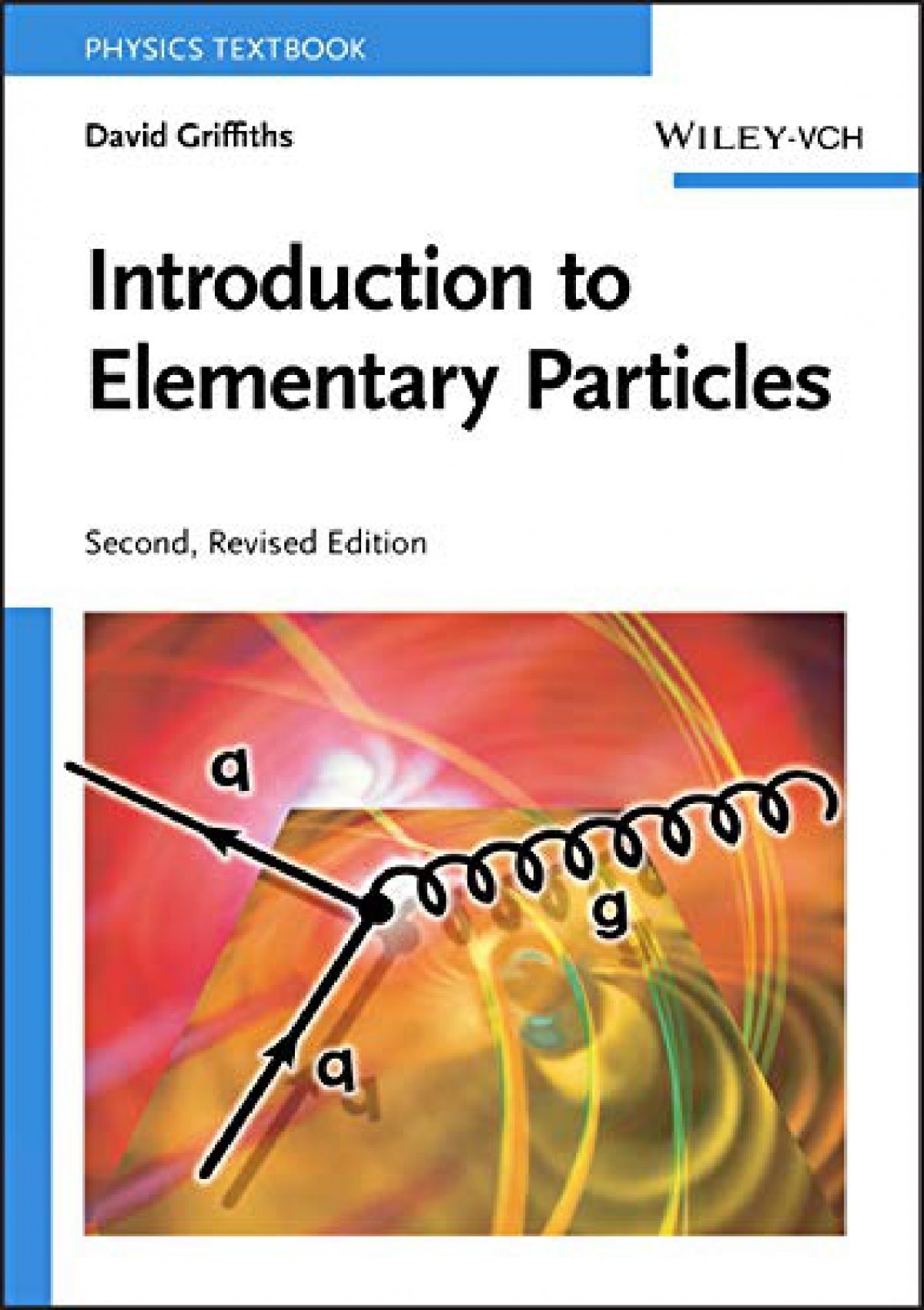
How do gluons hold quarks together?

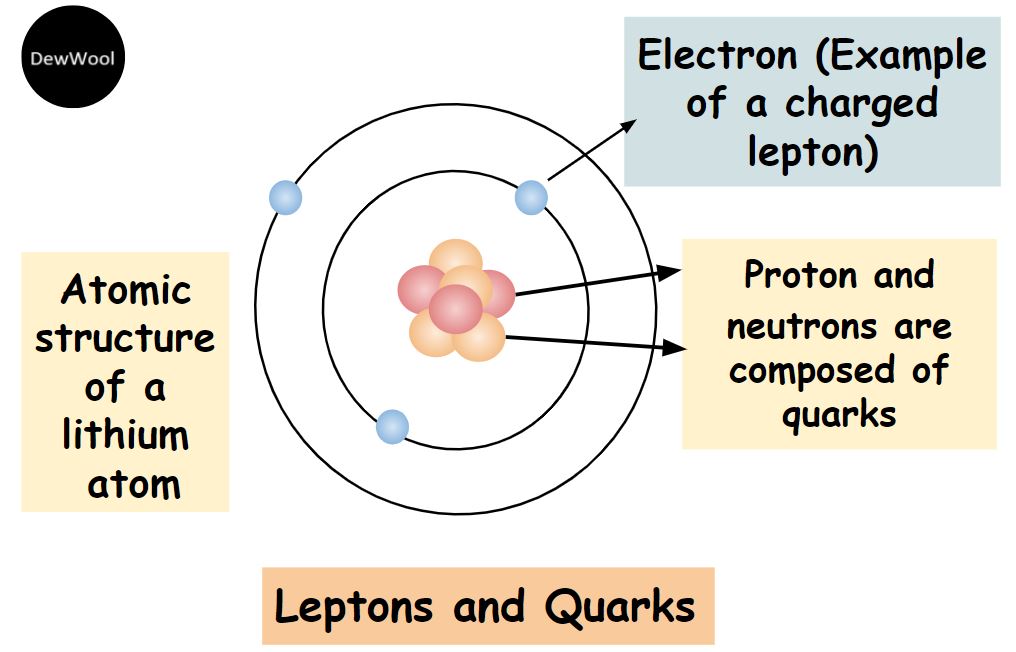
Quantum chromodynamics (QCD) delineates the interactions of quarks and gluons, the fundamental constituents of protons and neutrons, through a complex framework of color charge. Understanding how gluons hold quarks together necessitates a deep dive into the fundamental forces governing these particles and the mechanics underlying their interactions. Initially, one must grasp what quarks are. Quarks […]

Read More →