A Quantum Diaries Survivor: Stories from the Particle Frontier

In the rapidly evolving realm of theoretical physics, the study of quantum mechanics unveils a landscape replete with enigmas and paradoxes. The narrative of “A Quantum Diaries Survivor: Stories from the Particle Frontier” elucidates this audacious journey through the microcosm of particles, revealing the resilience and determination of those navigating its complexities. This exploration beckons […]

Read More β†’

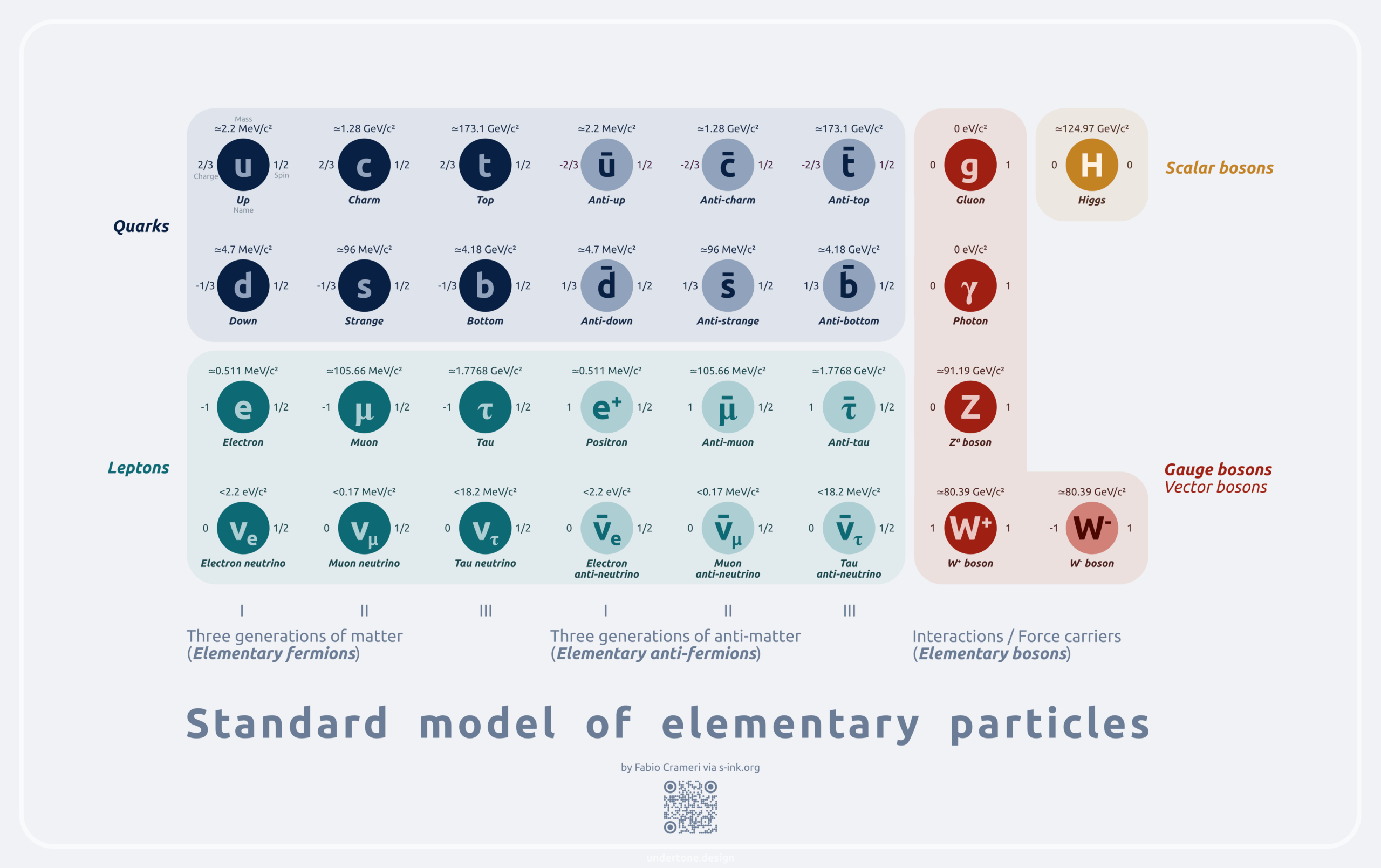
How to make sense of ‘elementary particles’?

What exactly are elementary particles, and how can one begin to grasp their enigmatic nature? In the realm of particle physics, these fundamental constituents of matter defy conventional understanding. Their properties and interactions challenge our perceptions of reality. In exploring the landscape of elementary particles, we encounter a complex interplay of theoretical frameworks, experimental validation, […]

Read More β†’

What does the Large Hadron Collider do in layman’s terms?

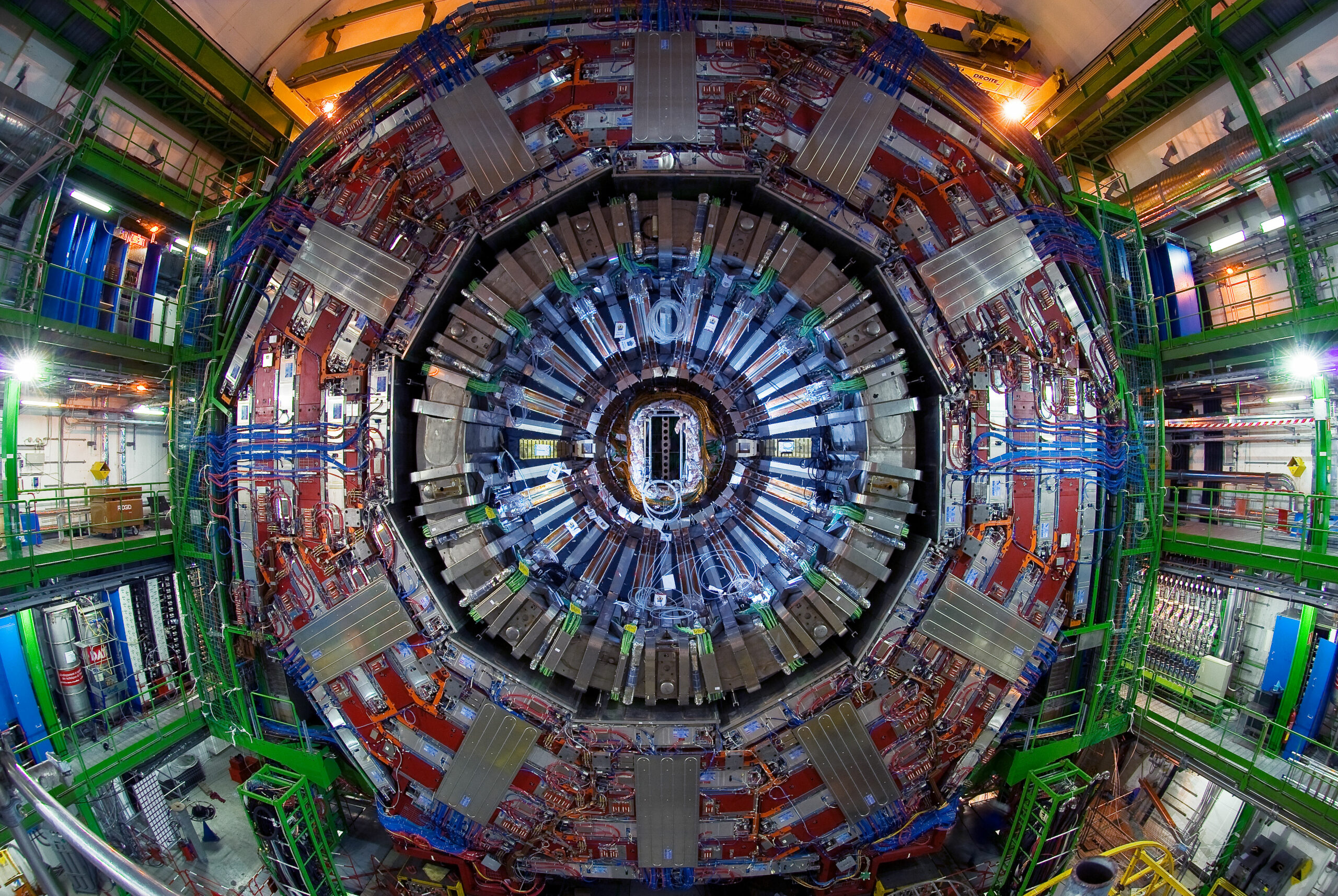
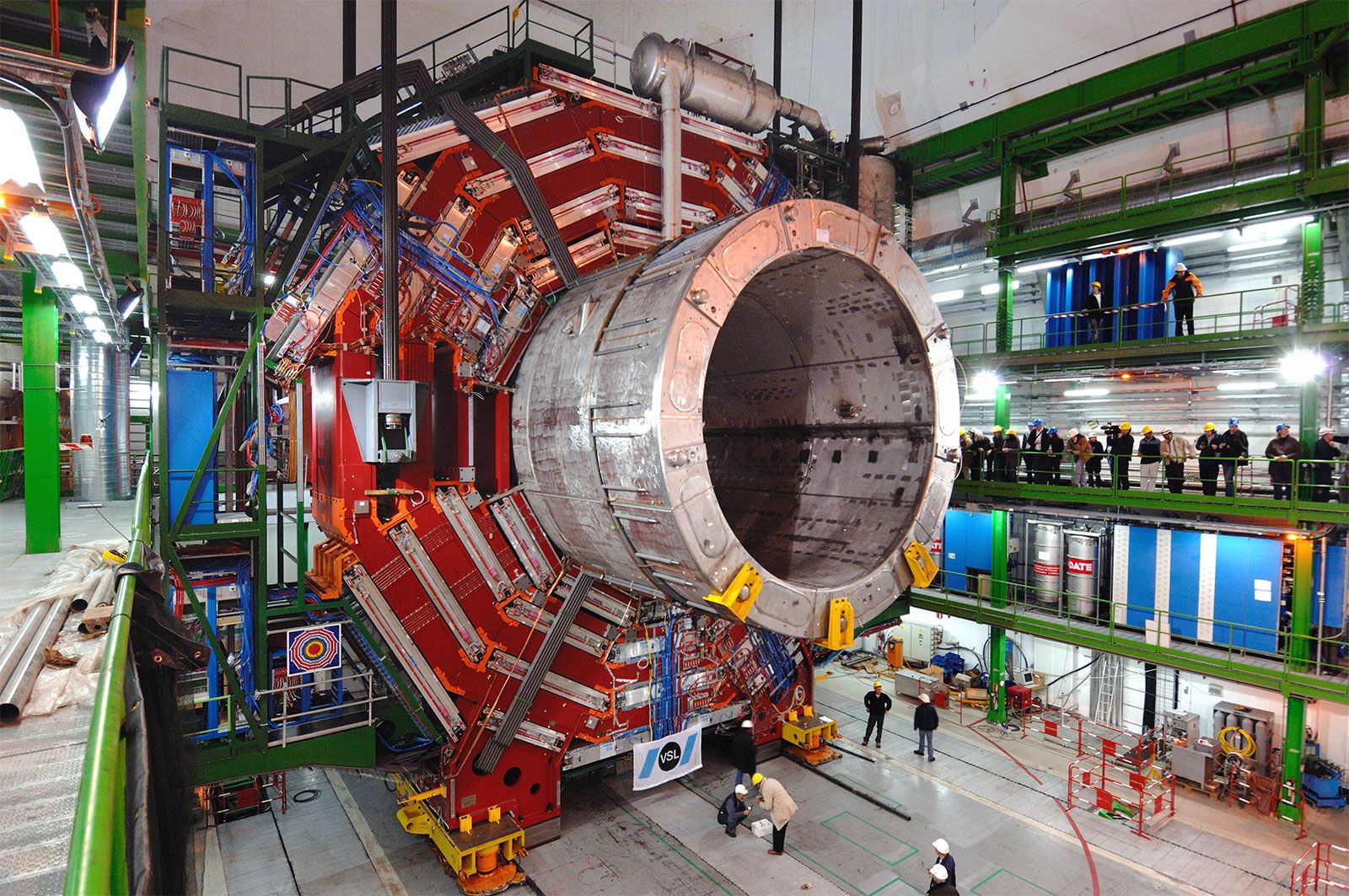
The Large Hadron Collider (LHC) stands as the crown jewel of particle physics, a monumental endeavor that transcends the boundaries of human understanding in the realms of the infinitesimal. Located beneath the intricate patchwork of the Franco-Swiss border, the LHC is a particle accelerator that functions as a time machineβ€”a vessel for probing the fundamental […]

Read More β†’

CERN and Fermilab Face Off: Who Found It First?

The realm of particle physics is characterized by its monumental experiments and groundbreaking discoveries. Among the most prominent institutions in this field are CERN (the European Organization for Nuclear Research) and Fermilab (the Fermi National Accelerator Laboratory), both of which have established themselves as leaders in the pursuit of understanding the fundamental components of the […]

Read More β†’

How is dark matter not made up of atoms?

Dark matter is an enigmatic substance that has captivated the curiosity of scientists and laypeople alike. Comprising approximately 27% of the universe, its presence is inferred from gravitational effects on visible matter, radiation, and the large-scale structure of the universe. Yet, despite its prevalence, dark matter is fundamentally different from ordinary matter, which is composed […]

Read More β†’

How do physicists identify which type of particle it is?

The classification and identification of particles within the realm of physics is a multifaceted endeavor that requires a sophisticated interplay of theoretical understanding, experimental techniques, and advanced technology. Throughout this discussion, various methodologies and instruments employed by physicists to unravel the intricacies of elementary and composite particles will be explored, highlighting the endeavors essential for […]

Read More β†’

What are Leptons made of?

Leptons, a fundamental constituent of matter, constitute an intriguing segment of the Standard Model of particle physics. Defined as elementary particles with a half-integer spin, leptons include a series of unique entities, namely the electron, muon, tau, and their corresponding neutrinos. This exposition explores the intricate nature of leptons, delving into their characteristics, interaction with […]

Read More β†’

Is high energy physics dying?

The inquiry into whether high energy physics (HEP) is dying often elicits a myriad of responses, traversing a spectrum from anxiety to optimism. A casual observer might aptly pose the question, “Is high energy physics still relevant?” This playful query invites us to delve deeper into a field that has, for decades, unraveled the mysteries […]

Read More β†’