Reflecting on Darkness: Could a Giant Mirror Detect Dark Matter?

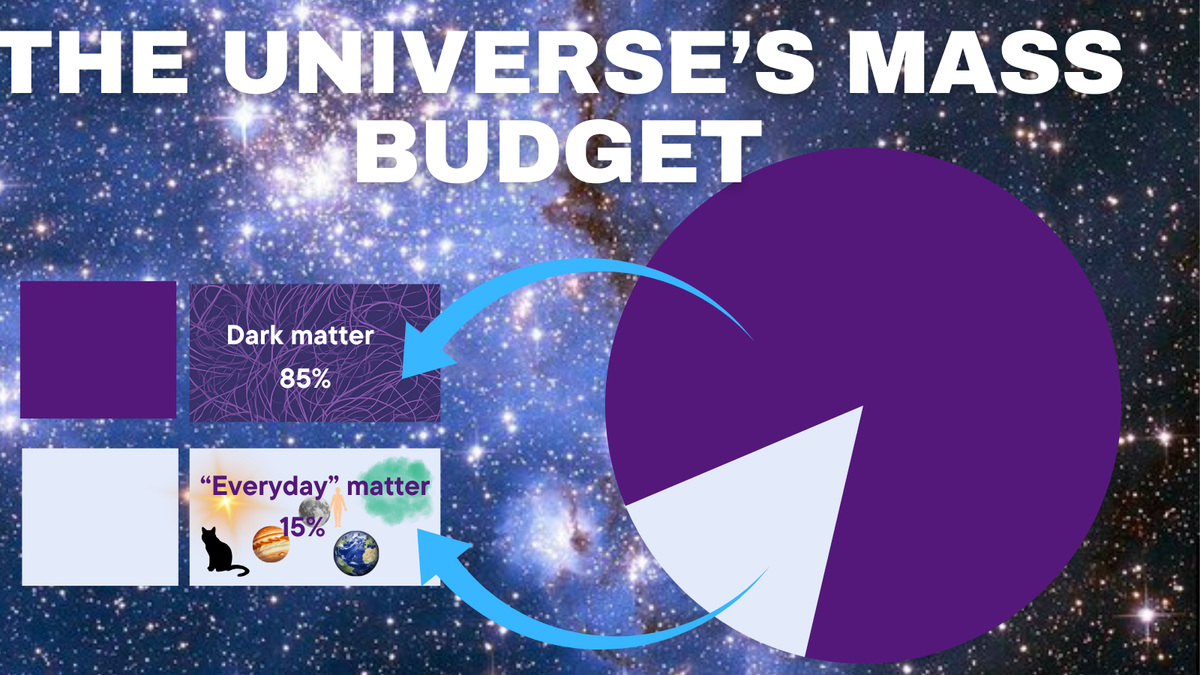
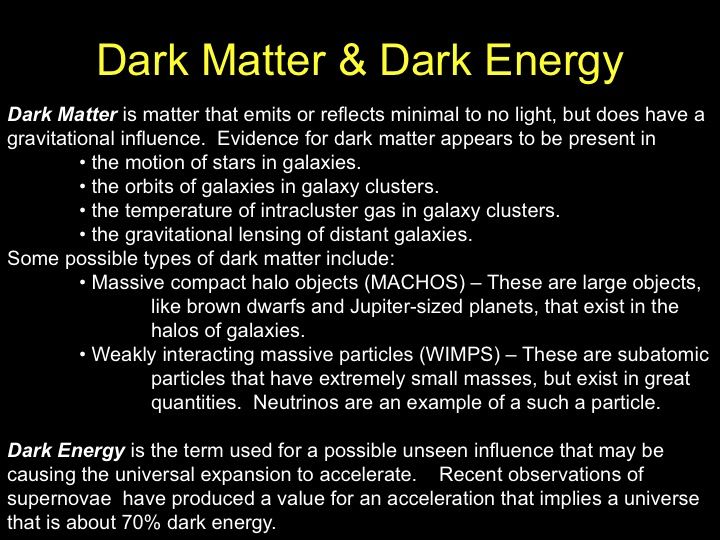
Understanding Dark Matter Dark matter constitutes a mysterious and significant component of the cosmos, accounting for roughly 27% of the universe’s total mass-energy content. Despite its abundance, it remains invisible to traditional detection methods because it does not emit, absorb, or reflect electromagnetic radiation in any measurable way. This elusive nature has made dark matter […]

Read More →

Gamma Rays Galactic Haze and a Dark Matter Connection?

Definition of Gamma Rays and Galactic Haze Gamma rays are a form of electromagnetic radiation characterized by extremely high energy levels. They play a vital role in astrophysics, emerging from a variety of complex cosmic phenomena such as nuclear reactions within stars, particle-antiparticle annihilation, and other exotic astrophysical events. One intriguing subject within this field […]

Read More →

The First Sighting of Dark Matter

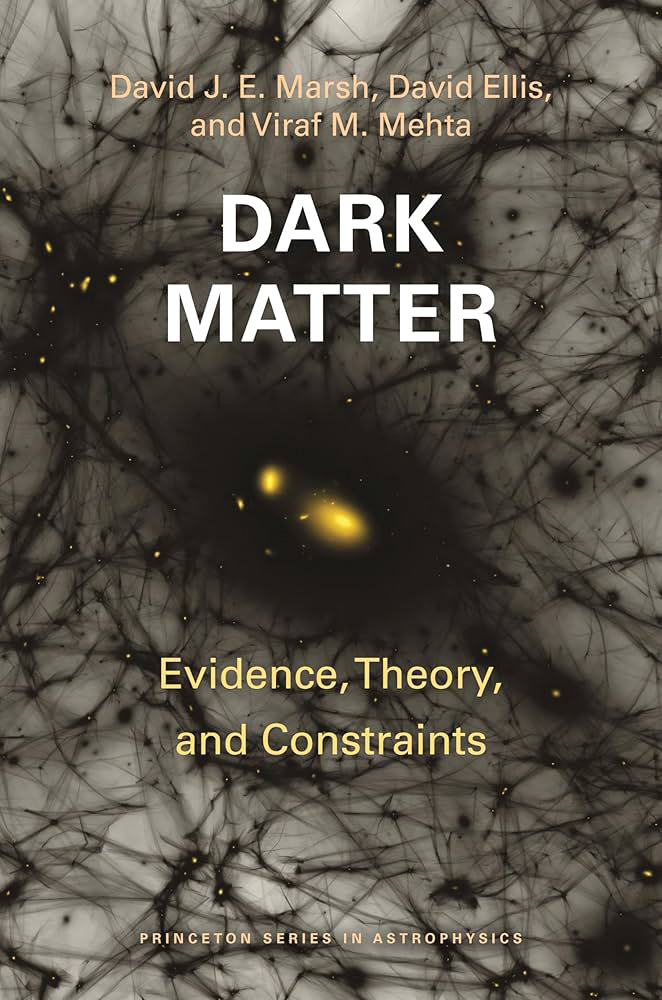
Definition of Dark Matter Dark matter refers to a form of matter that does not emit, absorb, or reflect light, making it invisible to current electromagnetic observational methods. Despite its invisibility, it exerts a significant gravitational influence on visible matter, radiation, and the large-scale structure of the universe. Invisible Mass: Dark matter cannot be detected […]

Read More →

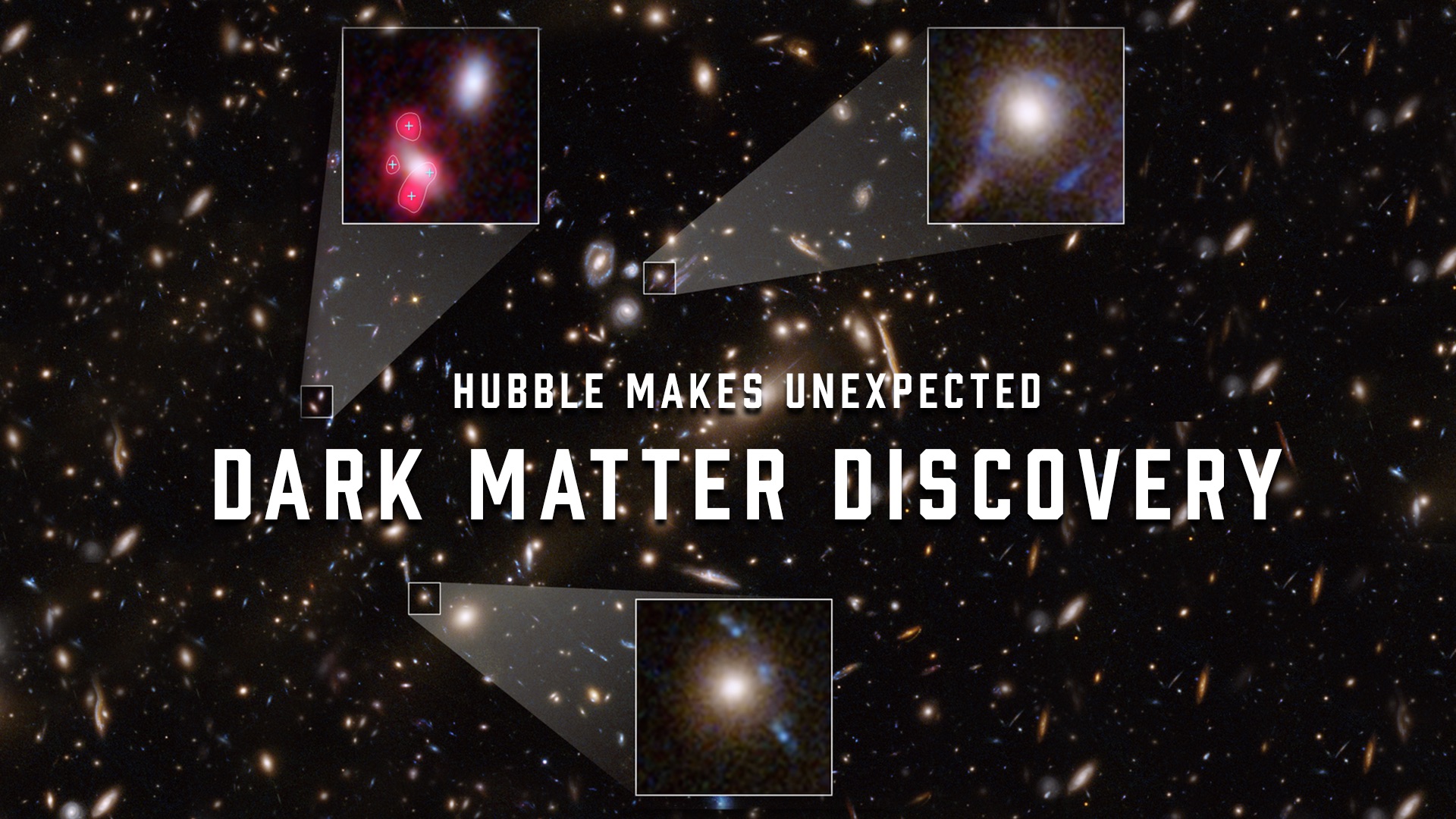
Mapping the Unseen: How Dark Matter Shapes Galaxies

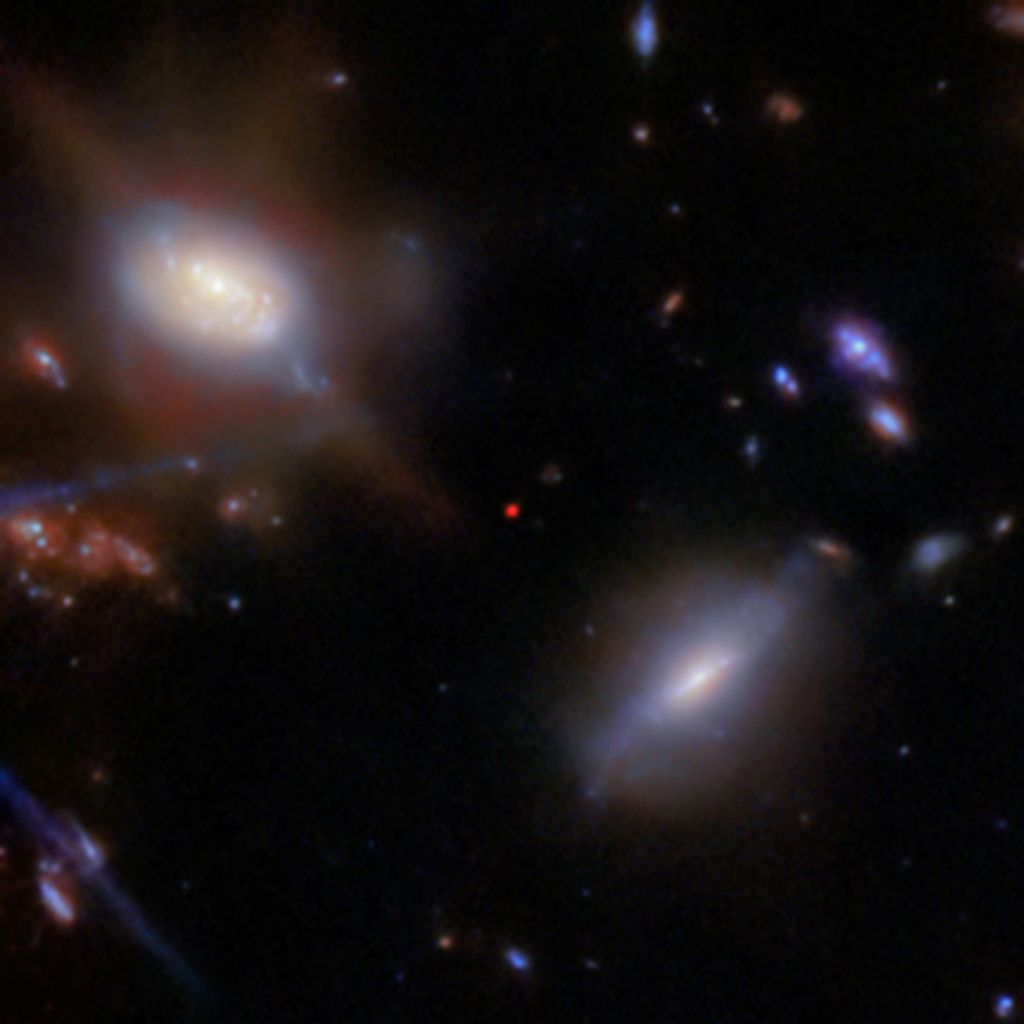
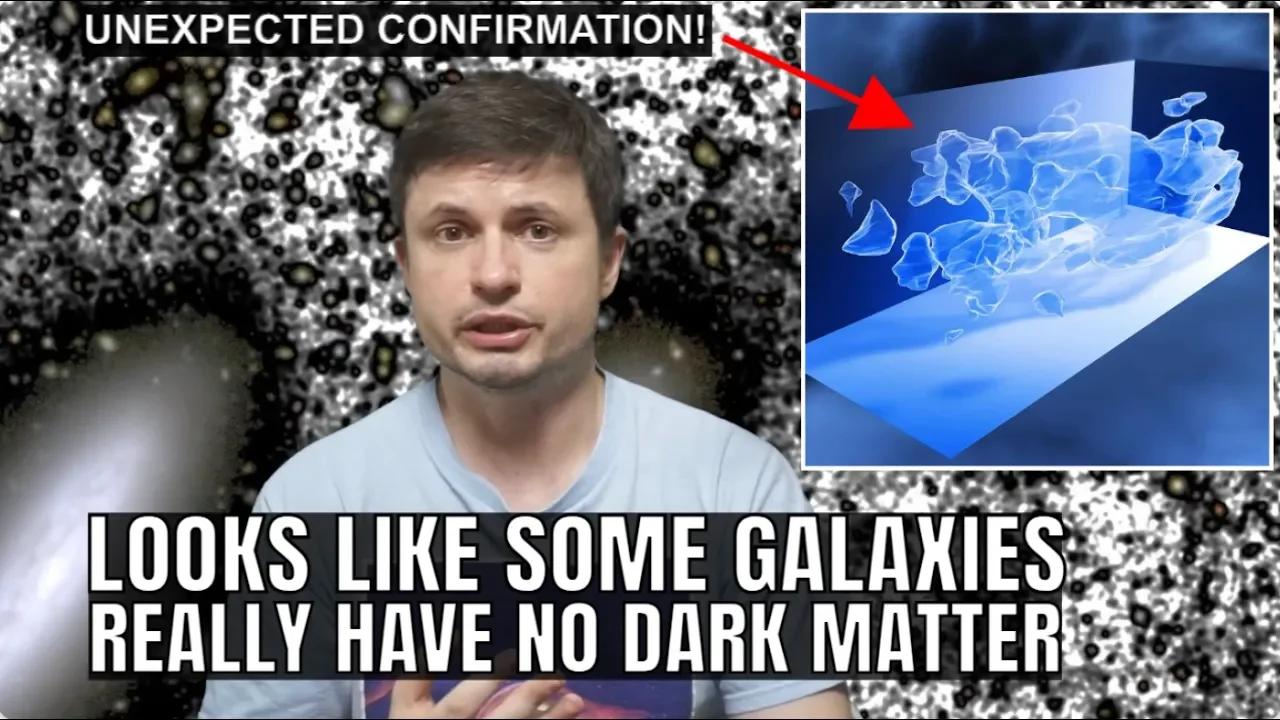
Definition of Dark Matter Dark matter is a mysterious and invisible form of matter that constitutes about 27% of the total mass-energy content of the universe. Unlike ordinary matter, it neither emits nor absorbs electromagnetic radiation, rendering it undetectable by conventional telescopes. Its presence is inferred primarily through its gravitational effects on visible celestial objects […]

Read More →

Dark Matter and the Birth of Strange Stars

Understanding Dark Matter Dark matter is a mysterious and invisible form of matter that makes up about 27% of the total mass-energy content of the universe. Unlike ordinary matter, which includes stars, planets, and galaxies, dark matter does not emit, absorb, or reflect light, making it undetectable through direct observation. Its existence is inferred primarily […]

Read More →

Does Dark Matter Come in Two Flavors?

Definition of Dark Matter and Its Flavors Dark matter is a mysterious form of matter that constitutes roughly 27% of the Universe’s total mass-energy composition. Unlike ordinary matter, it does not emit, absorb, or reflect light, making it invisible to current electromagnetic detection methods. Its existence is inferred primarily through gravitational effects on visible matter, […]

Read More →

Quantum Gravity: Could It Be the Natural Source of Dark Matter?

Understanding Dark Matter and Quantum Gravity The universe’s vast complexity has intrigued scientists for centuries, prompting deep investigations into its fundamental components and the forces that govern their interactions. Among these forces, gravity holds a distinctive role, intricately linked with the very fabric of spacetime. Recent discoveries about dark matter-a mysterious form of matter that […]

Read More →

Excess Electrons May Reveal Hidden Dark Matter Clues

Understanding Dark Matter Dark matter is a mysterious component of the universe, accounting for roughly 27% of its total mass-energy content. Unlike ordinary matter, it neither emits nor absorbs light, making it invisible to traditional telescopes and detectors. Its presence is inferred primarily through gravitational effects on visible matter, radiation, and the large-scale structure of […]

Read More →