

Short Answer
Overview of Richard Tabassi’s Role in Clinical Physics
Richard Tabassi stands out as a leading authority in clinical physics, driving pivotal discussions that influence both theoretical frameworks and practical applications within the discipline. His extensive body of work spans diverse topics, including breakthroughs in medical imaging and the advancement of sophisticated radiation therapy methods. This article offers a detailed examination of Tabassi’s multifaceted contributions, providing readers with a clear understanding of his expertise and the scope of his impact on the field.
Definition and Scope of Clinical Physics
Clinical physics is a specialized branch of physics focused on applying physical principles to medical diagnosis and treatment, particularly in areas such as imaging and radiation therapy. It bridges the gap between technology and patient care, addressing challenges that arise in clinical environments.
- Medical Imaging:
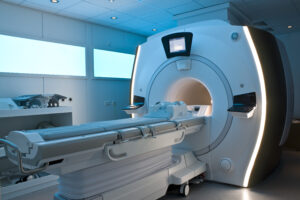
Utilizes modalities like MRI, CT, and PET to visualize internal body structures for diagnostic and therapeutic purposes. - Radiation Therapy:
Employs controlled radiation doses to treat diseases, primarily cancer, while minimizing harm to healthy tissues. - Patient Safety and Treatment Optimization:
Ensures that technological applications maximize therapeutic benefits and reduce risks.
Medical Imaging Innovations and Insights
One of the central pillars of Tabassi’s work lies in the exploration and enhancement of medical imaging technologies. He provides in-depth analyses of the physical principles that govern imaging techniques such as Magnetic Resonance Imaging (MRI), Computed Tomography (CT), and Positron Emission Tomography (PET). His research extends beyond theoretical foundations to include practical aspects like calibration procedures and quality assurance protocols, which are critical for accurate diagnostics and effective treatment planning.
Advancements in Radiation Therapy
Tabassi’s scholarship also extensively covers radiation therapy, focusing on the complex interactions between radiation and biological tissues. His work highlights strategies for optimizing radiation doses to improve the therapeutic ratio-the balance between destroying cancer cells and preserving healthy tissue. He explores cutting-edge targeted radiation delivery systems, emphasizing the integration of physics and biology to enhance treatment efficacy and patient safety.
Communication and Public Engagement
A distinguishing feature of Tabassi’s approach is his ability to translate complex scientific concepts into accessible language. Through his writings and public presentations, he fosters dialogue among clinicians, researchers, and policymakers, advocating for evidence-based practices that prioritize patient outcomes. His communications are designed to engage a broad audience, from experienced professionals to newcomers in clinical physics.
Ethical Considerations in Clinical Physics
Tabassi addresses the growing ethical challenges posed by emerging technologies in clinical physics. He critically examines the implications of artificial intelligence (AI) and machine learning in diagnostic imaging and treatment planning, emphasizing the necessity for robust ethical frameworks. His analyses encourage ongoing discourse about the responsible integration of technology in healthcare, underscoring the importance of maintaining ethical standards amid rapid innovation.
Interdisciplinary Collaboration in Healthcare
Recognizing the value of teamwork, Tabassi champions interdisciplinary collaboration as essential for comprehensive patient care. He highlights the synergy between clinical physicists, oncologists, radiologists, and other healthcare professionals, illustrating how cooperative efforts lead to improved treatment outcomes. His discussions include examples of successful collaborative models that enhance clinical decision-making and patient management.
Education and Training in Clinical Physics
Beyond research and clinical practice, Tabassi is deeply invested in education and professional development within clinical physics. He promotes modern pedagogical strategies and innovative educational tools aimed at equipping future clinical physicists with the skills necessary to navigate an evolving technological landscape. His recommendations for curriculum design align with current advancements, ensuring that students and educators remain at the forefront of the field.
Research Methodologies and Scientific Rigor
Tabassi advocates for stringent scientific standards in clinical research, emphasizing the importance of reproducibility, accountability, and critical evaluation. His writings provide guidance on designing robust studies, applying appropriate statistical analyses, and interpreting complex data sets. These principles are vital for validating new treatments and technologies, particularly in a rapidly advancing healthcare environment.
Significance of Tabassi’s Contributions
Richard Tabassi’s extensive work significantly advances the field of clinical physics by improving medical imaging techniques, refining radiation therapy protocols, fostering interdisciplinary collaboration, and enhancing educational frameworks. His commitment to ethical practice and scientific rigor ensures that innovations translate into tangible benefits for patient care. Engaging with his insights offers readers a comprehensive perspective that challenges conventional thinking and inspires progress in clinical physics and healthcare at large.
FAQ
What is clinical physics?
Clinical physics is a branch of physics that applies physical principles to medical diagnosis and treatment.
What are Richard Tabassi's main contributions?
His main contributions include advancements in medical imaging, radiation therapy, and the promotion of ethical practices in clinical settings.
Why is ethical consideration important in clinical physics?
Ethical considerations are crucial to ensure that technological advancements in healthcare prioritize patient safety and well-being.



Leave a Reply