
Short Answer
Definition of Radon and Its Geological Significance
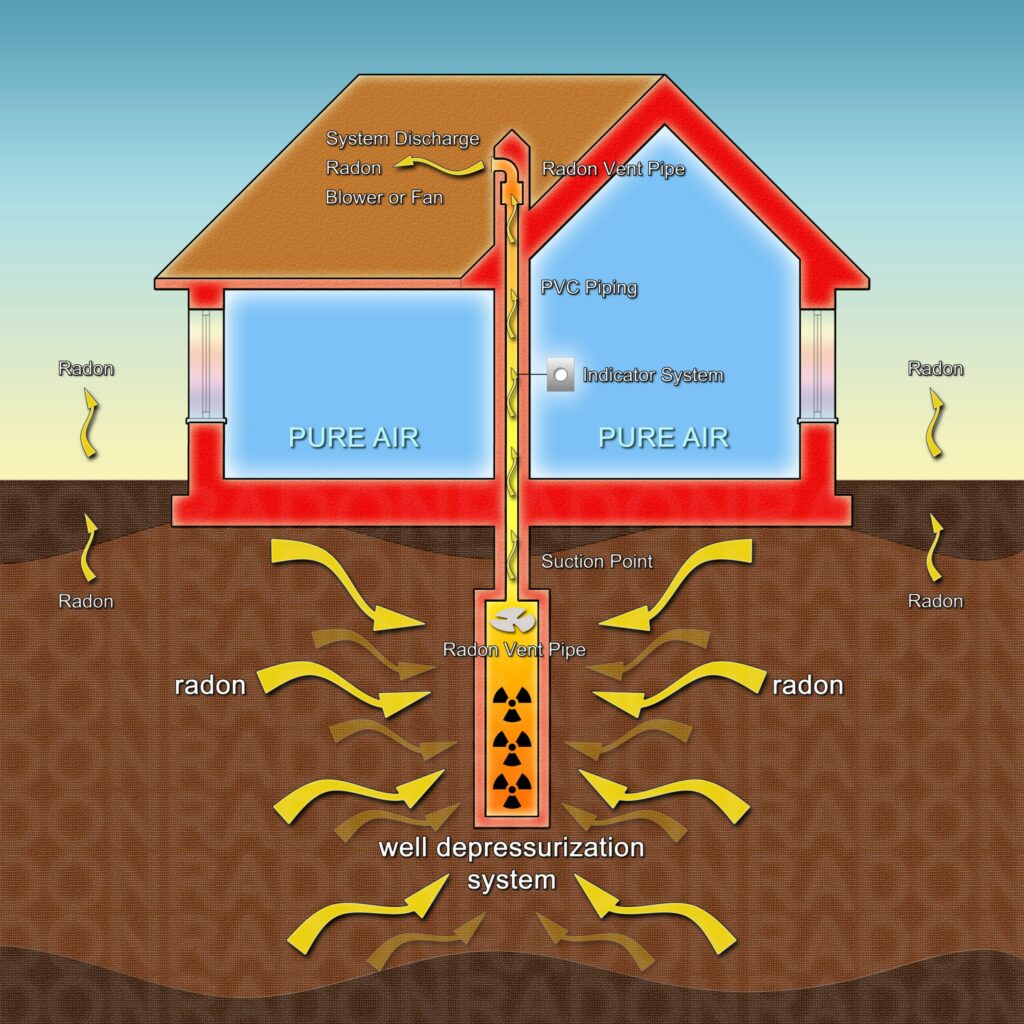
Radon is a colorless, odorless noble gas that naturally emanates from the Earth’s crust. It is primarily produced through the radioactive decay of uranium, which is abundant in many geological formations. Due to its gaseous state, radon can migrate through soil and rock, eventually reaching the atmosphere or dissolving into groundwater. This unique mobility makes radon a subject of interest in geophysical studies, especially concerning its potential role as an indicator of seismic activity.
- Radon Isotopes:
The most common isotope, radon-222 (^222Rn), has a half-life of about 3.8 days and is a decay product of uranium-238. Another isotope, radon-220 (^220Rn), also known as thoron, has a much shorter half-life and can provide more immediate information about subsurface changes. - Geochemical Behavior:
Radon’s ability to escape from solid rock into soil gas and groundwater allows it to serve as a tracer for geological processes.
Radon and Earthquake Prediction: An Overview
The connection between radon emissions and seismic events has intrigued scientists for decades. Variations in radon concentration in soil and groundwater have been observed to sometimes precede earthquakes, suggesting that radon could act as a geochemical precursor. This relationship is rooted in the changes that occur within the Earth’s crust as tectonic stresses accumulate along fault lines.
Mechanism Behind Radon Fluctuations
As tectonic stress builds, it alters the physical properties of rocks, such as porosity and permeability. These changes can modify the pathways through which radon migrates, leading to detectable increases or decreases in radon levels at the surface. Additionally, shifts in atmospheric pressure, temperature, and groundwater pressure can influence radon emissions, complicating the interpretation of data.
Isotopic Variations and Environmental Influences
Radon isotopes provide nuanced insights into subsurface processes. The shorter half-life of ^220Rn allows for near real-time monitoring of geological changes, while ^222Rn offers information over a slightly longer timescale. Environmental factors such as atmospheric pressure fluctuations, temperature variations, and hydrostatic pressure within aquifers also impact radon levels, necessitating careful analysis to distinguish seismic signals from natural variability.
Interaction Between Radon and Groundwater Systems
Radon does not only traverse solid geological formations but also interacts extensively with groundwater. Seismic activity can alter the chemical composition and flow patterns of groundwater, which in turn affects radon concentrations. Monitoring these changes in groundwater radon levels can enhance early-warning capabilities, especially in seismically active regions with well-documented histories.
Challenges in Using Radon as an Earthquake Predictor
- Complex Geological Interactions:
The interplay of local geology, hydrology, and atmospheric conditions creates a complex background that can mask or mimic radon anomalies related to seismic events. - Data Interpretation Difficulties:
Distinguishing between radon fluctuations caused by tectonic stress and those resulting from environmental factors remains a significant challenge. - Limited Spatial Coverage:
Current radon monitoring networks often lack the extensive geographic distribution needed to provide reliable, large-scale earthquake predictions.
Technological and Methodological Advances
Advancements in radon detection technology and computational modeling are essential to overcoming existing limitations. Integrating geochemical data with geological and geophysical models through interdisciplinary approaches can improve the accuracy of radon-based earthquake forecasting. Enhanced sensor networks and real-time data sharing among scientific communities are critical steps toward this goal.
Implications for Public Safety and Policy
Implementing radon monitoring as part of earthquake preparedness strategies requires public awareness and policy support. Educational initiatives can inform residents in radon-prone and seismically active areas about the dual risks of radon exposure and earthquake hazards. Empowering communities with knowledge and early-warning tools can lead to better risk mitigation and disaster readiness.
Conclusion: The Future of Radon in Seismology
Radon holds promising potential as a natural indicator of seismic activity, offering a subtle yet informative glimpse into the Earth’s dynamic interior. While challenges remain in fully harnessing this potential, ongoing research continues to unravel the complex relationships between radon emissions and tectonic processes. As scientific understanding deepens and technology advances, radon monitoring may become an integral component of earthquake prediction systems, ultimately contributing to enhanced resilience and safety for communities worldwide.
FAQ
What is the main focus of the article?
The article discusses how radon isotopes might help predict earthquakes by serving as indicators of geological changes.
What challenges exist in using radon for earthquake prediction?
Challenges include complex geological interactions, difficulties in data interpretation, and limited spatial coverage of monitoring networks.




Leave a Reply