
Short Answer
Understanding the Quantum Computing Race
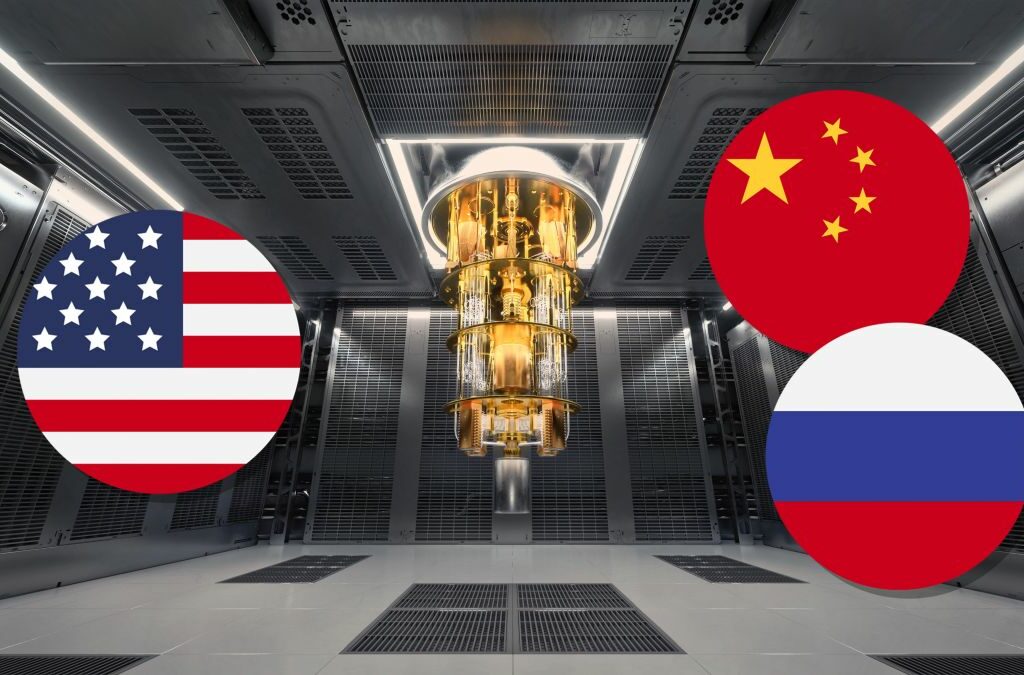
Quantum computing has emerged as a formidable force in the technological landscape, reminiscent of the intense competition seen during the mid-20th century atomic arms race. Unlike traditional geopolitical conflicts, this modern rivalry unfolds within the complex domains of algorithms and computational power. Nations are fiercely competing to dominate this nascent field, with far-reaching consequences for global economies, security frameworks, and the digital infrastructure that underpins modern life. Grasping the dynamics of this quantum contest reveals more than just a battle for superior computing-it signals a profound shift in humanity’s intellectual and technological horizons.
Definition and Core Principles of Quantum Computing
Quantum computing leverages the principles of quantum mechanics to process information in fundamentally new ways. Unlike classical computers that use bits as the smallest unit of data, which exist strictly as 0 or 1, quantum computers utilize quantum bits or qubits. These qubits can exist simultaneously in multiple states through a phenomenon called superposition, enabling the processing of vast amounts of data concurrently.
- Qubits:
The quantum equivalent of classical bits, capable of representing 0, 1, or both simultaneously due to superposition. - Superposition:
A quantum property allowing qubits to be in multiple states at once, exponentially increasing computational possibilities. - Entanglement:
A unique quantum correlation between qubits that enables instantaneous state changes, enhancing computational efficiency.
Mechanics Behind Quantum Computing
Quantum computers operate by manipulating qubits through quantum gates, which alter their states in ways that classical logic gates cannot replicate. This manipulation allows quantum algorithms to explore multiple solutions simultaneously, drastically reducing the time required to solve certain complex problems. The power of quantum computing lies in its ability to perform parallel computations on an unprecedented scale, making it particularly suited for tasks that are currently infeasible for classical machines.
Global Strategic Competition in Quantum Technology
The race for quantum supremacy has galvanized significant investments from both governmental bodies and private enterprises worldwide. Leading players such as the United States, China, and the European Union have launched comprehensive national initiatives aimed at securing leadership in quantum innovation. This competition resembles a strategic game of chess, where each qubit represents a critical move shaping future geopolitical power balances. The objective extends beyond mere technological progress; it is a pursuit of strategic dominance in the emerging digital order.
Applications and Societal Impact of Quantum Computing
Quantum computing’s potential extends well beyond national security and economic competition. It promises transformative advancements across various scientific and industrial domains:
- Cryptography:
Quantum algorithms threaten to break current encryption methods, necessitating the development of quantum-resistant cryptographic techniques to safeguard digital communications. - Materials Science:
Enhanced simulation capabilities could accelerate the discovery of new materials with tailored properties. - Drug Discovery:
Quantum computing can model molecular interactions with high precision, potentially revolutionizing pharmaceutical development.
Collaborative Efforts and Research Synergies
Much like the cooperative alliances formed during the original Cold War, the quantum computing landscape is witnessing increased collaboration among research institutions, technology companies, and academic entities. These partnerships facilitate the sharing of knowledge and resources, accelerating innovation and fostering interdisciplinary breakthroughs. The collective intellectual momentum mirrors the ambitious spirit of the Apollo Space Race, driving humanity toward previously unimaginable technological frontiers.
Ethical Considerations and Governance
The rapid advancement of quantum technology raises critical ethical questions and governance challenges. Given its dual-use nature-capable of both groundbreaking benefits and potential misuse-there is an urgent need for international frameworks to regulate its development and application. Ethical oversight involving technologists, policymakers, and ethicists is essential to ensure that quantum computing serves the common good, mitigates risks, and prevents exacerbation of global inequalities.
Future Prospects and Transformative Potential
Quantum computing is poised to redefine how society addresses complex problems, from climate modeling to personalized medicine. Its ability to process information at extraordinary speeds could lead to breakthroughs that enhance precision in scientific predictions and enable tailored healthcare solutions based on individual genetic profiles. Furthermore, the integration of quantum computing with artificial intelligence promises to revolutionize machine learning, enabling systems that can analyze and predict human behavior with unprecedented accuracy.
Quantum Computing and Artificial Intelligence
The convergence of quantum computing and AI heralds a new era of computational capability. Quantum machine learning algorithms can exploit quantum parallelism to process vast datasets more efficiently than classical methods. This synergy is expected to unlock advanced automation and decision-making tools, pushing the boundaries of what machines can understand and accomplish.
Conclusion: Navigating the Quantum Era
The unfolding quantum computing race represents more than a technological contest; it marks a pivotal chapter in global history intertwined with geopolitical strategy and ethical responsibility. As nations strive to harness the immense power of quantum technologies, fostering international cooperation and prioritizing ethical frameworks will be crucial. The true measure of success will not be the possession of the most powerful quantum computer alone, but how humanity collectively leverages this revolutionary technology to build a fairer, more enlightened future.
FAQ
What is quantum computing?
Quantum computing is a type of computation that uses quantum-mechanical phenomena such as superposition and entanglement to perform operations on data, enabling processing of complex problems faster than classical computers.
Why is there a global race for quantum computing?
Nations are competing to achieve quantum supremacy because quantum computing promises significant advantages in security, economic power, scientific research, and technological innovation that could reshape global power balances.
What are the main ethical concerns surrounding quantum computing?
Key ethical concerns include the potential misuse of quantum technology for surveillance or cyberattacks, exacerbation of global inequalities, and the need for international governance frameworks to ensure responsible development.
How might quantum computing impact artificial intelligence?
Quantum computing can enhance AI by enabling faster processing of large datasets and improved machine learning algorithms, potentially leading to breakthroughs in automation and predictive capabilities.






Leave a Reply