Which subatomic particle(s) affect the charge of an atom?

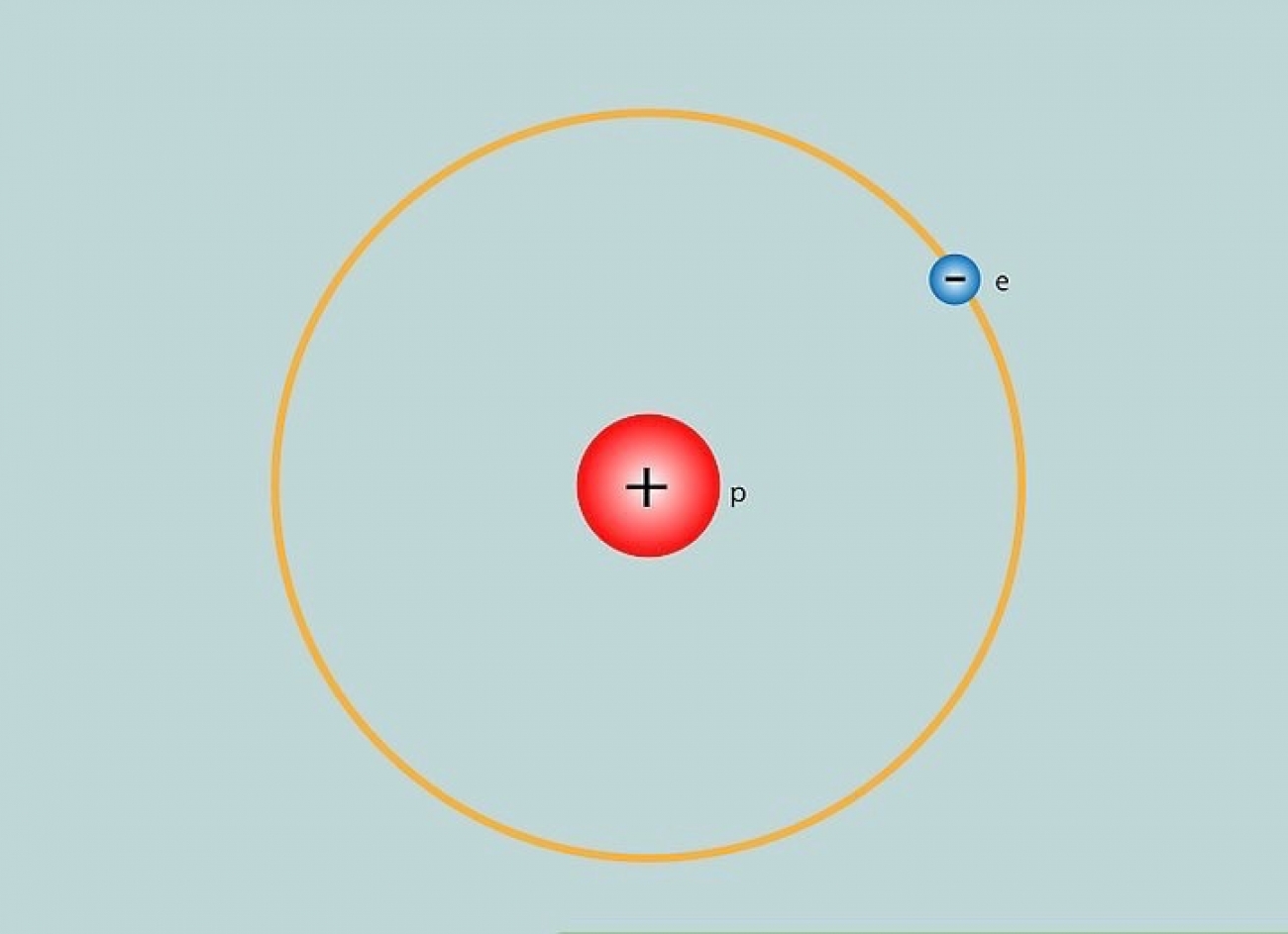
Definition of Subatomic Particles and Atomic Charge Subatomic particles are the essential components that constitute matter at its most fundamental level. The primary particles-electrons, protons, and neutrons-collectively shape the structure and properties of atoms. Among these, the interaction between electrons and protons is crucial in determining an atom’s electrical charge, while neutrons primarily contribute to […]

Read More →

What is the best software to simulate photonic devices?

Definition of Photonic Device Simulation Software Photonic device simulation software encompasses specialized computational tools designed to model, analyze, and optimize devices that manipulate light. These devices are integral to numerous modern technologies, including telecommunications, medical imaging, computing, and artificial intelligence. Simulation software enables engineers and researchers to explore complex electromagnetic phenomena, material interactions, and device […]

Read More →

Rebellious Thoughts: Scientists Who Said No to Norms

Definition of Scientific Rebellion Scientific rebellion refers to the deliberate challenge and questioning of established scientific doctrines and paradigms. It embodies the spirit of defiance against prevailing norms, fostering innovation and breakthroughs that redefine our comprehension of the natural world. This phenomenon is not merely an act of opposition but a critical driver of progress […]

Read More →

What is the source of cosmic rays?

Definition of Cosmic Rays Cosmic rays are highly energetic particles that continuously strike the Earth from outer space. These particles primarily consist of protons and atomic nuclei traveling at nearly the speed of light. They are categorized into two main types: primary cosmic rays, which originate from astrophysical sources beyond Earth, and secondary cosmic rays, […]

Read More →

Can you explain Bose Einstein condensate in simple terms?

Definition of Bose-Einstein Condensate A Bose-Einstein condensate (BEC) is a unique state of matter that emerges under extreme quantum conditions. It occurs when a collection of bosons-particles that obey Bose-Einstein statistics-are cooled to temperatures nearing absolute zero (-273.15°C or -459.67°F). At this ultra-low temperature, the particles lose their individual identities and merge into a single […]

Read More →

The Structure of Atoms: Spheres Shells and Strange Truths

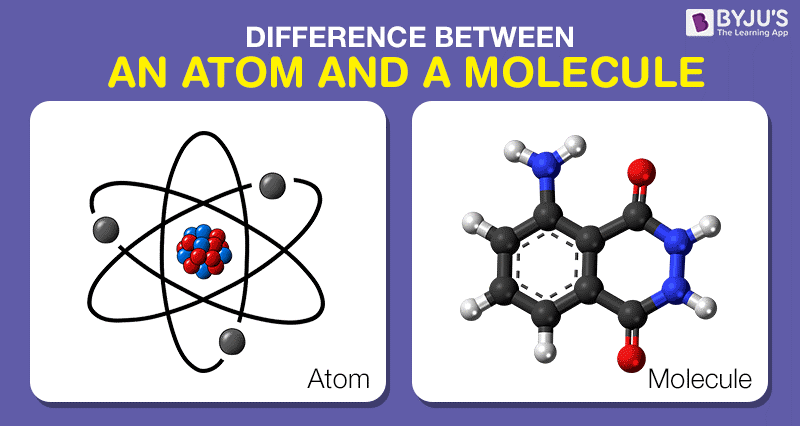
Definition of Atomic Structure Atomic structure refers to the arrangement and composition of the fundamental units of matter known as atoms. Atoms serve as the essential building blocks for all substances in the universe, consisting primarily of three subatomic particles: protons, neutrons, and electrons. These components collectively determine the atom’s characteristics and how it interacts […]

Read More →

Why do we need to study condensed matter?

Definition of Condensed Matter Physics Condensed matter physics is a vital branch of modern science that investigates the physical properties of matter in its solid and liquid phases. It integrates core principles from quantum mechanics, thermodynamics, and statistical mechanics to explain how atoms and molecules interact and organize themselves in condensed phases. This field provides […]

Read More →