How to learn fundamentals of quantum computing?

Definition of Quantum Computing Quantum computing represents a cutting-edge computational paradigm that leverages the principles of quantum mechanics to process information. Unlike classical computers, which use bits as the smallest unit of data, quantum computers utilize quantum bits or qubits, enabling them to perform complex calculations at unprecedented speeds. This emerging technology holds transformative potential […]


Read More →

Could we build a ternary logic quantum computer?

Understanding Ternary Logic Quantum Computing Quantum computing is revolutionizing the way we process information by leveraging the principles of quantum mechanics. Unlike classical computing, which relies on binary states-0 and 1-quantum systems introduce the concept of qubits that can exist in multiple states simultaneously. This raises an intriguing question: can quantum computers be designed to […]

Read More →

When Less Is Better: The Paradox of Scientific Minimalism

Definition of Scientific Minimalism Scientific minimalism refers to the principle of emphasizing simplicity and essential elements within scientific research and communication. It advocates for reducing unnecessary complexity to enhance clarity, understanding, and innovation. This concept extends beyond mere aesthetics, influencing the core methodologies, theoretical frameworks, and dissemination practices in science. Core Idea: Prioritizing simplicity to […]

Read More →

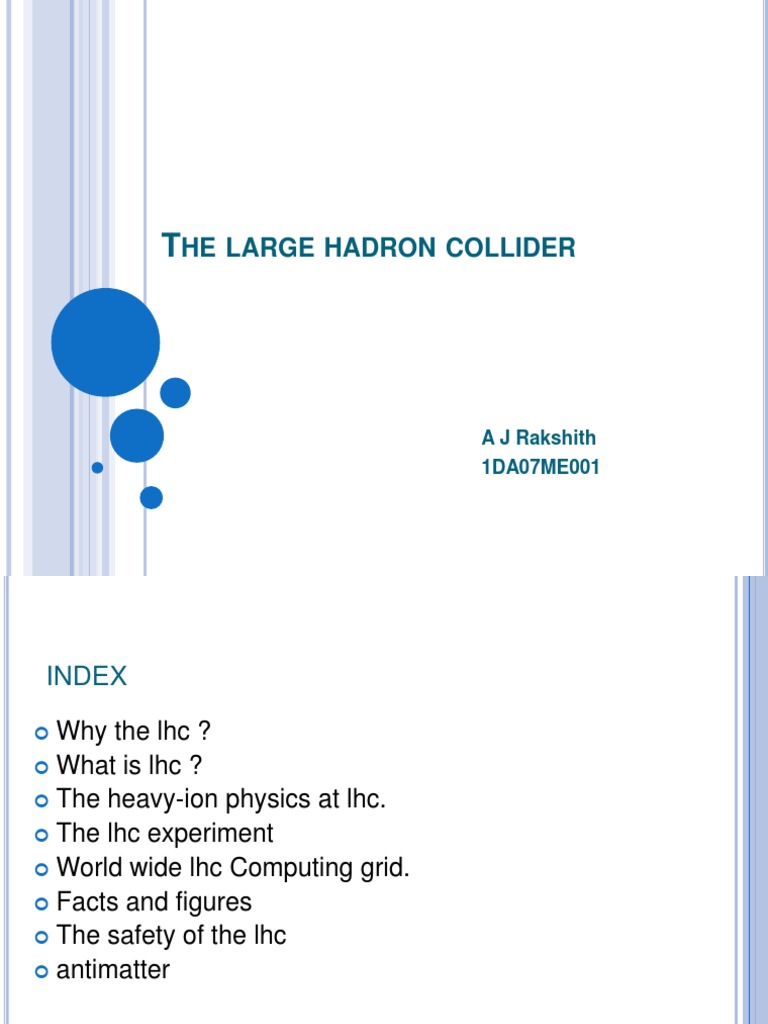
What are the benefits of the large hadron collider?

Overview of the Large Hadron Collider The Large Hadron Collider (LHC) stands as a monumental milestone in particle physics, recognized as the largest and most advanced particle accelerator ever built. Situated at CERN, the European Organization for Nuclear Research, the LHC operates on an unprecedented scale, enabling scientists to delve into the fundamental building blocks […]

Read More →

Why is quantum computing useful for optimization problems?

Understanding Optimization Problems in Computing Optimization problems represent a fundamental challenge in computational theory and practice, often likened to navigating a complex maze. The primary objective is to identify the most efficient solution from a vast array of possibilities. Traditional computing methods frequently struggle with the exponential increase in potential solutions as problem size grows, […]

Read More →

Biophysics: What’s the Scope and Is It Worth the Climb?

Definition of Biophysics Biophysics is a multidisciplinary science that merges the principles of physics with the complexities inherent in biological systems. It aims to decode the physical mechanisms that govern life processes at various scales, from molecules and cells to entire organisms. This field integrates diverse scientific approaches to provide a comprehensive understanding of biological […]

Read More →

Can a physicist become a doctor?

Definition The question, “Can a physicist become a doctor?” explores the possibility and implications of transitioning from the study of physics-a fundamental science concerned with the laws of nature-to the practice of medicine, which centers on diagnosing, treating, and preventing illness in humans. This inquiry highlights the intersection of two distinct yet complementary disciplines and […]

Read More →

How blown away are you by quantum physics?

Understanding Quantum Physics Quantum physics stands as one of the most intriguing and challenging fields within modern science, compelling us to rethink the very nature of reality. Unlike classical physics, which governs everyday phenomena, quantum mechanics reveals a world where particles behave in ways that defy conventional logic. This branch of physics not only reshapes […]

Read More →

The Quantum Pontiff Blesses the Qubits

Understanding Qubits: The Foundation of Quantum Mechanics Quantum mechanics presents a landscape filled with paradoxes and mysteries, where physicists navigate the complex behavior of quantum bits, or qubits. Unlike classical bits that exist strictly as 0 or 1, qubits harness the principles of superposition and entanglement, enabling them to occupy multiple states simultaneously. This unique […]

Read More →