
Short Answer
Definition of Nuclear Fission
Nuclear fission is a process in which the nucleus of a heavy atom splits into two or more smaller nuclei, accompanied by the release of a significant amount of energy. This phenomenon has fascinated scientists since its discovery due to its complex interplay of fundamental forces and its profound implications in both physics and technology.
Fundamental Forces Involved in Nuclear Fission
Understanding nuclear fission requires a clear grasp of the fundamental forces that govern atomic interactions:
- Strong Nuclear Force:
This is the primary force that holds protons and neutrons tightly together within the nucleus, overcoming the repulsive forces between positively charged protons. - Electromagnetic Force:
Protons carry a positive electric charge, which causes them to repel each other. This repulsion plays a critical role in the stability and eventual splitting of the nucleus.
Mechanism of Nuclear Fission
When a heavy nucleus such as uranium-235 or plutonium-239 absorbs an additional neutron, it becomes unstable. This instability causes the nucleus to oscillate and deform, eventually surpassing the fission barrier and splitting into smaller fragments known as fission products. During this process, the repulsive electromagnetic forces between protons contribute to the nucleus’s instability, facilitating its division. Although the strong nuclear force predominantly governs the cohesion of the nucleus, the electric repulsion among protons is a significant factor that influences the fission pathway.
Energy Release and Electromagnetic Effects
The fission event releases a tremendous amount of energy, primarily in the form of kinetic energy of the fission fragments, neutrons, and gamma radiation. These emitted particles interact with surrounding matter, causing ionization by freeing electrons from atoms. This ionization process represents a cascade of electrical phenomena, linking nuclear fission to electromagnetic effects. In practical applications such as nuclear reactors, the heat generated from fission is converted into electrical energy through turbines, underscoring the essential role of electricity in harnessing nuclear power.
Electromagnetic Radiation in Fission
Gamma rays, a form of high-energy electromagnetic radiation, are emitted during nuclear fission. These rays carry substantial energy capable of inducing physical and chemical changes in nearby materials. The presence of gamma radiation highlights the electromagnetic dimension of fission, demonstrating that the process is not solely nuclear but also involves significant electric and energetic interactions.
Applications and Technological Integration
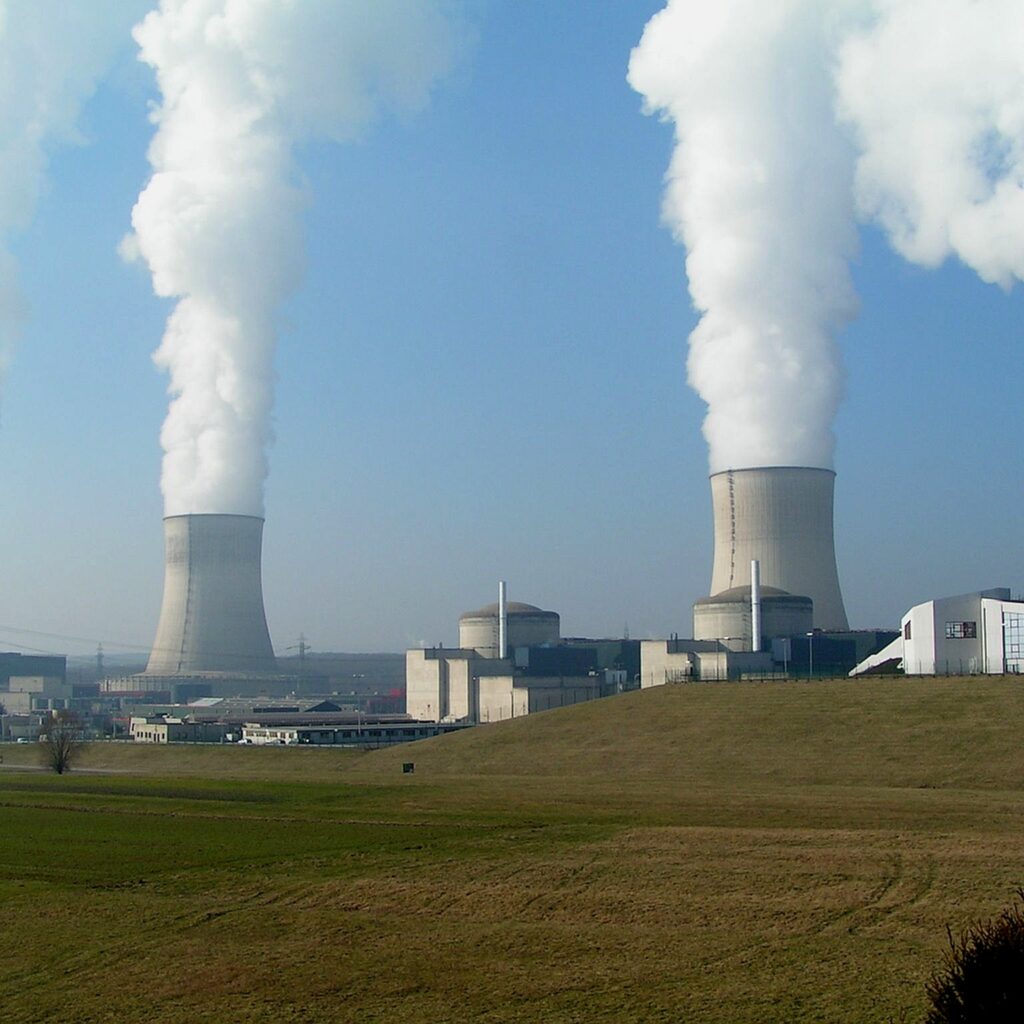
Nuclear power plants exemplify the integration of nuclear physics and electrical engineering. The heat produced by fission reactions is transformed into electricity using sophisticated machinery that relies on electromagnetic principles to optimize energy transfer and control the reaction. This synergy between nuclear and electric domains is crucial for the efficient and safe operation of nuclear energy systems.
Societal Perspectives and the Electric Nature of Fission
The public perception of nuclear fission often fluctuates between apprehension and intrigue. This ambivalence may stem from the electric characteristics inherent in nuclear phenomena, as electricity is a familiar and indispensable part of everyday life. The relationship between nuclear fission and electric energy invites deeper reflection on issues of technology, safety, and environmental stewardship, especially as society debates the future of sustainable energy sources.
Summary: The Electric Dimension of Nuclear Fission
While nuclear fission is fundamentally driven by the strong nuclear force, electromagnetic interactions play a vital role in both the initiation and consequences of the process. The repulsive electric forces among protons contribute to nuclear instability, and the energy released manifests through electromagnetic phenomena such as ionization and gamma radiation. The conversion of fission energy into electricity in reactors further cements the electric aspect of this atomic process. Exploring nuclear fission through the lens of electromagnetism enriches our understanding of the intricate forces shaping atomic behavior and the technologies that harness their power.
FAQ
What is nuclear fission?
Nuclear fission is the process where the nucleus of a heavy atom splits into smaller nuclei, releasing energy.
How does electromagnetic force affect nuclear fission?
The electromagnetic force contributes to the instability of the nucleus, facilitating its division during fission.
What is the role of nuclear fission in electricity generation?
Nuclear fission produces heat that is converted into electrical energy in nuclear power plants.






Leave a Reply