
Short Answer
Definition of Art Journaling
Art journaling is a dynamic and multifaceted creative practice that combines visual art with personal reflection. It transcends mere drawing or writing by integrating various artistic techniques and self-expression methods. This practice appeals to both beginners and experienced artists, offering a unique platform for emotional and intellectual exploration. At its essence, art journaling is a personalized creative journey that fosters imagination, introspection, and emotional well-being.
Enhancing Creativity Through Art Journals
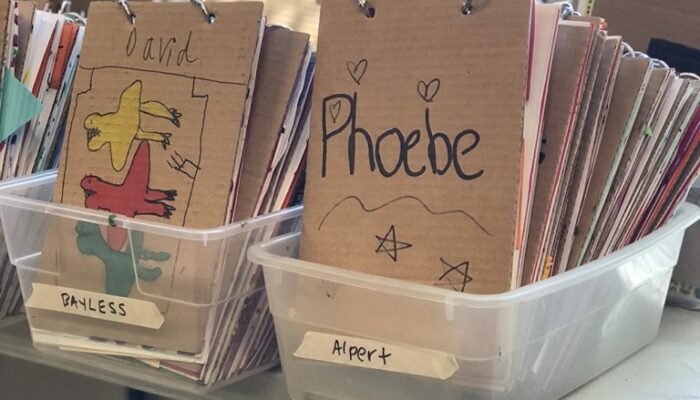
An art journal acts as a personal space where creativity can flourish without limitations. Regardless of an individual’s artistic expertise, the process of assembling an art journal encourages engagement with one’s imaginative capabilities. Creators choose their own materials-such as different types of paper, paints, and decorative elements-and determine the themes and layouts that shape their artistic story. This autonomy nurtures a strong sense of ownership and creative freedom.
Art journals are versatile, accommodating a wide range of content including drawings, poetry, and mixed media compositions. The choice of materials significantly influences the artistic outcome; for example, textured papers can evoke different emotional responses compared to smooth surfaces. Experimenting with diverse mediums allows artists to deepen their understanding of various artistic languages and how these materials interact with their inner vision.
Moreover, art journaling encourages breaking free from traditional artistic rules and external judgments. Within the private realm of a journal, there are no mistakes or limitations, fostering an environment ripe for innovation and creative risk-taking. This freedom is essential for unlocking deeper artistic potential and developing a unique personal style.
Reflection and Cognitive Growth Through Art Journaling
Beyond creativity, art journaling serves as a powerful tool for reflection and mental development. It promotes metacognition-the ability to think about one’s own thinking-by encouraging individuals to critically analyze and express their emotions and thoughts. Visualizing internal experiences often leads to new insights and improved problem-solving skills.
Structured prompts can enhance this reflective process. For example, a prompt like “Illustrate a significant moment in your life and explore its emotional impact” guides users to delve into their memories and translate feelings into visual form. This practice not only aids emotional processing but also supports cognitive clarity and healing.
Additionally, the skills developed through art journaling-such as organizing content, planning layouts, and conveying messages-are transferable to academic and professional contexts. These competencies improve critical thinking and communication, helping individuals present their ideas more coherently and persuasively.
Therapeutic Advantages of Art Journaling
Art journaling has gained recognition for its therapeutic benefits in psychological and educational settings. Engaging in creative expression provides a healthy outlet for emotions that might otherwise remain suppressed. Research highlights that expressive arts can reduce anxiety and build emotional resilience.
This practice also functions as a form of mindfulness. The intentional selection of colors, textures, and imagery encourages individuals to focus on the present moment, fostering calmness and mental clarity amid everyday stress. The meditative nature of art journaling helps cultivate emotional balance and self-awareness.
Furthermore, sharing art journals within supportive communities-such as workshops or online groups-creates a sense of connection and mutual understanding. This social aspect promotes collective growth and inspires participants by exposing them to diverse creative perspectives.
Step-by-Step Guide to Creating an Art Journal
The process of making an art journal blends deliberate planning with spontaneous creativity. Beginners and seasoned artists alike can explore various techniques, including selecting materials, binding pages, and experimenting with artistic styles. This comprehensive approach demystifies journal creation and empowers individuals to start their own projects confidently.
Popular methods include collage, watercolor layering, and incorporating digital elements. The complexity of an art journal is entirely up to the creator-it can be as elaborate or as simple as desired. Importantly, the act of journaling is an ongoing journey that mirrors personal growth and artistic development rather than a fixed end product.
Why Art Journaling Is Important
Learning how to create an art journal offers benefits that extend well beyond artistic skill enhancement. It cultivates creativity, supports cognitive and emotional development, and provides therapeutic relief. Engaging with this practice deepens self-awareness and enriches personal expression.
Ultimately, an art journal is more than a collection of images and words; it is a mirror reflecting the self, a tool for psychological exploration, and a celebration of human creativity. The true value lies not only in the finished journal but in the transformative creative process it inspires.
Common Misconceptions About Art Journaling
Art journaling requires advanced artistic skills.
Art journaling welcomes all skill levels and emphasizes personal expression over technical perfection.
There are strict rules to follow when creating an art journal.
The practice is highly flexible, encouraging experimentation and freedom without rigid guidelines.
Art journaling is only about making beautiful artwork.
It also serves as a reflective and therapeutic tool, focusing on emotional and cognitive growth.
FAQ
What is art journaling?
Art journaling is a creative practice that combines visual art with personal reflection, allowing for self-expression through various artistic techniques.
Do I need advanced skills to start an art journal?
No, art journaling is welcoming to all skill levels and emphasizes personal expression over technical perfection.
What materials do I need for art journaling?
Materials can include various types of paper, paints, pens, and decorative elements, allowing for personalization and creativity.



Leave a Reply