
Short Answer
Overview of Electronics and Quantum Computing
Electronics has established itself as a cornerstone of modern science and technology, playing a vital role in numerous applications from communication to computation. When contrasted with the emerging field of quantum computing, the relationship between these two disciplines reveals profound insights into the future of information processing and the fundamental laws that govern electronic behavior.
Definition and Core Principles
Electronics
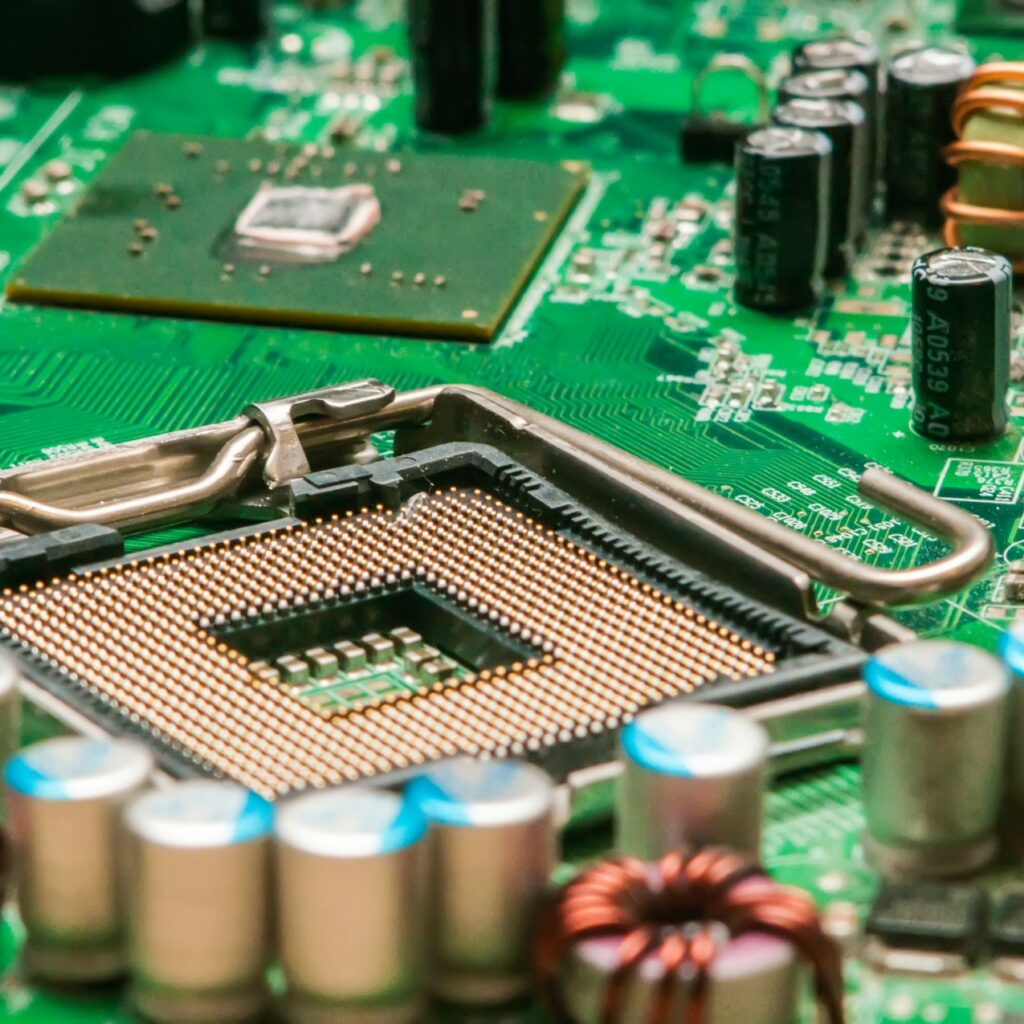
Electronics is primarily concerned with the control and manipulation of charge carriers, predominantly electrons, within various materials. This manipulation enables a wide range of functions, including signal transmission, amplification, and data processing. The field is grounded in classical physics, especially the theories of electricity and magnetism, which describe electron dynamics in conductive media.
Quantum Computing
Quantum computing, on the other hand, is based on the principles of quantum mechanics, which explore the behavior of particles at atomic and subatomic scales. Unlike classical bits that represent information as either 0 or 1, quantum bits-or qubits-can exist in multiple states simultaneously due to superposition. This property, along with entanglement, allows quantum computers to perform complex calculations with a level of parallelism unattainable by traditional electronic systems.
Key Concepts in Quantum Computing
- Qubits and Superposition:
Qubits can represent both 0 and 1 at the same time, enabling quantum computers to process a vast number of possibilities concurrently. - Entanglement:
This phenomenon links qubits such that the state of one instantly influences the state of another, regardless of the distance separating them, facilitating highly correlated computational outcomes.
Comparing Classical Bits and Quantum Qubits
Classical computing relies on bits that exist in a binary state-either 0 or 1. In contrast, qubits harness superposition, allowing them to embody multiple states simultaneously. This fundamental difference underpins the enhanced computational power of quantum systems, particularly for tasks involving complex problem-solving, cryptography, and simulations of quantum phenomena.
Integration of Electronics and Quantum Technologies
Despite their distinct foundations, electronics and quantum computing are increasingly intertwined. Classical electronic engineering methods are instrumental in fabricating quantum devices. For example, superconducting circuits, which exhibit zero electrical resistance, serve as a platform for realizing qubits. These circuits blend classical electronic design with quantum mechanical properties, exemplifying the fusion of the two fields.
Quantum Electronics: A New Frontier
The emerging discipline of quantum electronics investigates how quantum effects can be harnessed within electronic devices to surpass classical limitations. Innovations such as quantum transistors aim to embed quantum functionalities into silicon-based electronics, potentially revolutionizing information processing technologies.
Quantum-Dot Cellular Automata
This technology utilizes quantum dots-nanoscale semiconductor particles that confine electrons in three dimensions-to perform computational operations. By operating at the single-electron level, quantum-dot cellular automata offer promising improvements in processing speed and energy efficiency, merging quantum principles with electronic architectures.
Quantum Communication and Security
Quantum key distribution (QKD) represents a significant advancement in secure communication. By exploiting quantum mechanics, QKD enables the creation of communication channels that are theoretically immune to eavesdropping. This breakthrough has profound implications for data privacy and the future of electronic communication systems.
Philosophical and Scientific Implications
The advent of quantum computing invites deeper reflection on the nature of information, determinism, and reality itself. The unique properties of quantum systems challenge traditional views and inspire interdisciplinary dialogue among scientists, technologists, and philosophers, expanding our understanding of computation and the physical world.
Future Prospects and Technological Evolution
The convergence of electronics and quantum computing heralds a transformative era in technology. As classical electronic principles are reinterpreted through quantum mechanics, new devices and computational models emerge, pushing the boundaries of what is achievable in computation, communication, and information processing. This ongoing evolution promises to unlock unprecedented capabilities and reshape the technological landscape.
Frequently Asked Questions (FAQ)
What distinguishes electronics from quantum computing?
Electronics is based on classical physics and involves controlling electrons to perform tasks, while quantum computing utilizes quantum mechanics, employing qubits that can exist in superposition and entangled states to execute computations.
In what ways does electronics support quantum computing development?
Classical electronic engineering techniques are essential for building quantum hardware, such as superconducting circuits and quantum transistors, which enable the practical realization of qubits and quantum information processing.
Why is quantum entanglement critical in quantum computing?
Entanglement creates strong correlations between qubits, allowing quantum computers to solve complex problems more efficiently than classical systems by linking qubit states regardless of physical distance.
Can classical electronic devices be combined with quantum technologies?
Yes, the field of quantum electronics focuses on integrating quantum properties into traditional electronic devices, like silicon-based quantum transistors, enhancing their computational power beyond classical limits.
What role does quantum key distribution play in electronic communications?
Quantum key distribution leverages quantum physics to establish secure communication channels that are theoretically impervious to interception, significantly advancing the security of electronic communications.
FAQ
What is the fundamental difference between electronics and quantum computing?
Electronics relies on classical physics principles manipulating charge carriers such as electrons, whereas quantum computing leverages quantum mechanics, utilizing qubits that can exist in superposition and entanglement to perform computations.
How does quantum computing benefit from electronics?
Quantum computing uses classical electronic engineering techniques to develop quantum devices like superconducting circuits and quantum transistors, which help realize qubits and quantum information processing.
What is quantum entanglement and why is it important in quantum computing?
Quantum entanglement is a phenomenon where qubits become interlinked so that the state of one instantly influences the state of another, regardless of distance. This enables quantum computers to perform complex computations more efficiently than classical systems.
Can classical electronic devices be integrated with quantum technologies?
Yes, emerging fields like quantum electronics aim to embed quantum properties into classical electronic devices, such as silicon-based quantum transistors, enhancing computational capabilities beyond classical limits.
What role does quantum key distribution (QKD) play in electronics?
QKD uses quantum physics principles to create secure communication channels that are theoretically invulnerable to interception, marking a significant advancement in electronic communication security.






Leave a Reply