
Short Answer
Definition of Graphene and Its Structural Forms
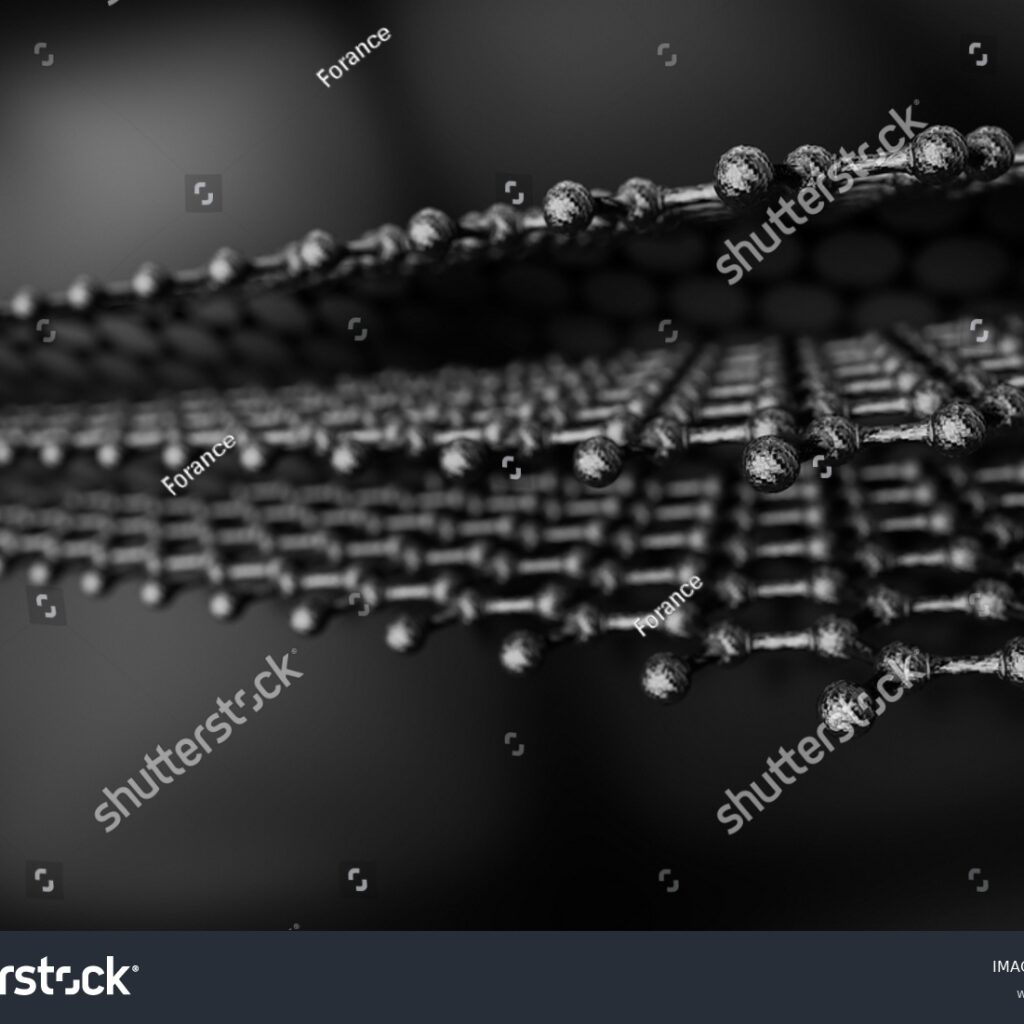
Graphene is a remarkable material composed entirely of carbon atoms arranged in a two-dimensional honeycomb lattice. This atomic configuration endows graphene with extraordinary mechanical strength, electrical conductivity, and thermal properties. While the classic form of graphene is a single atomic layer, variations exist that extend into three-dimensional (3D) architectures, raising questions about their composition and purity.
- Monolayer Graphene:
A single sheet of carbon atoms bonded via sp2 hybridization, forming a planar hexagonal lattice. - 3D Graphene Structures:
Assemblies of graphene layers or frameworks that create porous, foam-like, or sponge-like materials with enhanced surface area and mechanical properties. - Graphene Derivatives:
Modified forms such as graphene oxide and reduced graphene oxide, which incorporate oxygen-containing groups or other elements, altering their chemical and physical characteristics.
Atomic Bonding and Structural Characteristics
At the atomic level, graphene’s carbon atoms are connected through sp2 hybridization, where each carbon forms three sigma (σ) bonds with neighboring atoms, creating a robust planar network. This bonding arrangement is responsible for graphene’s exceptional strength and conductivity. When graphene is transformed into 3D forms, the fundamental carbon framework remains, but the spatial arrangement and potential chemical modifications introduce complexity in defining purity.
Understanding Purity in 3D Graphene
The concept of purity in 3D graphene hinges on its atomic composition and structural modifications. Pure carbon graphene refers strictly to materials composed solely of carbon atoms without additional elements or functional groups. However, many 3D graphene materials incorporate oxygen, hydrogen, or other atoms through chemical treatments or composite formation, which challenges the traditional notion of purity.
- Pure 3D Graphene:
Structures like graphene foams or sponges that maintain a carbon-only framework arranged in three dimensions. - Functionalized 3D Graphene:
Variants such as graphene oxide that contain oxygen groups, enhancing solubility and reactivity but deviating from pure carbon composition. - Graphene Composites:
Materials combining graphene with metals, polymers, or other substances to improve mechanical or electrical properties, further complicating purity definitions.
How 3D Graphene Is Synthesized and Characterized
Creating 3D graphene involves assembling graphene sheets into porous networks or chemically modifying them to introduce functional groups. Techniques such as chemical vapor deposition (CVD), hydrothermal synthesis, and freeze-drying are commonly employed. To assess the purity and structure of these materials, advanced characterization tools are utilized:
- Transmission Electron Microscopy (TEM):
Provides high-resolution images to observe atomic arrangements and defects. - Raman Spectroscopy:
Detects vibrational modes indicative of graphene’s structural integrity and presence of functional groups. - X-ray Photoelectron Spectroscopy (XPS):
Analyzes elemental composition and chemical states.
Applications and Functional Advantages of 3D Graphene
The transition from 2D to 3D graphene architectures unlocks new possibilities across various fields due to enhanced surface area, mechanical resilience, and tunable chemical properties.
- Biomedical Engineering:
3D graphene scaffolds support cell growth and tissue regeneration, benefiting from biocompatibility and mechanical strength. - Energy Storage:
Porous 3D graphene structures improve supercapacitor performance by facilitating rapid charge/discharge cycles and high capacitance. - Electronics and Sensors:
Modified 3D graphene materials enable sensitive detection and flexible electronic devices.
Common Misconceptions About 3D Graphene Purity
All 3D graphene materials are pure carbon.
Many 3D graphene forms include oxygen or other elements due to functionalization or composite formation, which means they are not purely carbon.
Purity is the sole determinant of graphene’s usefulness.
Functional modifications often enhance graphene’s properties for specific applications, making “impure” forms highly valuable.
Why Understanding 3D Graphene Purity Is Important
Clarifying the purity and structural nature of 3D graphene is crucial for advancing material science and nanotechnology. It influences how researchers tailor graphene-based materials for targeted applications, balancing elemental composition with functional performance. This understanding drives innovation in electronics, medicine, energy, and beyond, highlighting carbon’s versatility and the evolving definition of material purity in modern science.
FAQ
What is the significance of 3D graphene purity?
Understanding the purity of 3D graphene is important for its applications in various fields, as it influences material properties and functionality.






Leave a Reply