
Short Answer
Definition of a Nuclear Warhead
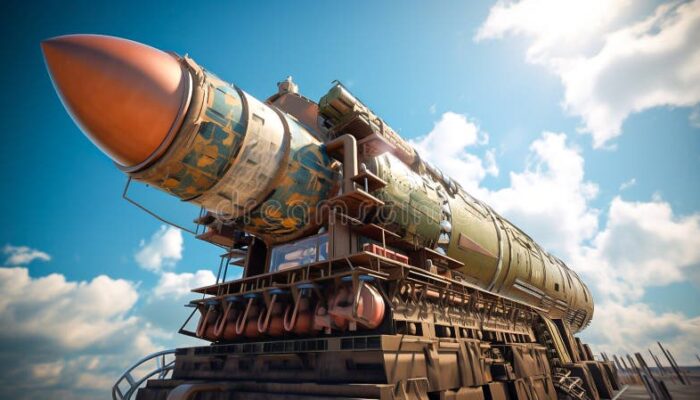
A nuclear warhead is a sophisticated device designed to release an immense amount of energy through nuclear reactions. It represents a pinnacle of scientific and engineering achievement, combining advanced physics with intricate mechanical design. Beyond its technical aspects, a nuclear warhead embodies significant geopolitical and ethical dimensions, symbolizing both human ingenuity and the potential for catastrophic destruction.
Structural Composition and Mechanism
The core of a nuclear warhead consists primarily of fissile materials such as uranium-235 or plutonium-239. These isotopes serve as the fuel for the nuclear chain reaction. When the fissile material reaches a critical mass-achieved through precise compression techniques-a rapid, self-sustaining chain reaction occurs. This reaction converts a small amount of matter into an enormous quantity of energy, as described by Einstein’s mass-energy equivalence formula, E=mc².
- Fissile Core:
Contains uranium-235 or plutonium-239, which undergo fission to release energy. - Compression Mechanism:
Uses conventional explosives or other methods to compress the core to critical mass. - Neutron Initiators:
Devices that trigger the chain reaction by releasing neutrons at the precise moment. - Tamper Reflectors:
Surround the core to reflect neutrons back into the fissile material, enhancing efficiency.
The orchestration of these components must be impeccably timed to produce an explosion with a yield measured in kilotons of TNT equivalent, highlighting the delicate balance between control and devastation inherent in nuclear weapons.
Strategic Role and Deterrence Theory
Nuclear warheads play a critical role in international security dynamics. Their possession influences global power structures by serving as a deterrent against potential aggressors. This concept, known as deterrence theory, is based on the premise that the threat of overwhelming retaliatory destruction discourages the initiation of nuclear conflict.
During the Cold War, this theory manifested in an arms race where superpowers amassed vast arsenals, maintaining a tense peace through the mutual understanding of assured destruction. The presence of nuclear weapons thus shaped diplomatic relations and military strategies worldwide.
Ethical and Philosophical Considerations
The existence and potential use of nuclear warheads raise profound moral questions. Central to this debate is the dilemma of security achieved through the threat of total annihilation. This paradox challenges utilitarian ethics, weighing the benefits of deterrence against the catastrophic humanitarian risks posed by nuclear warfare.
Additionally, the phenomenon of “nuclear fatigue” has emerged, describing a psychological desensitization to the persistent threat of nuclear conflict. This fatigue can undermine efforts toward disarmament and foster complacency, perpetuating cycles of mistrust and escalation among nuclear-armed states.
Technological Advances and Future Challenges
Recent technological developments, particularly in artificial intelligence, introduce new complexities to nuclear strategy. The integration of AI into nuclear command and control systems raises concerns about automated decision-making in critical moments, potentially reducing human oversight and empathy in launch decisions. This evolution necessitates rigorous ethical evaluation to prevent unintended escalations and maintain global security.
Broader Scientific and Industrial Impact
While nuclear warheads are primarily associated with military applications, the technologies developed for their creation have spurred advancements in various fields. Nuclear fission, the fundamental process behind these weapons, has been adapted for peaceful uses such as energy generation, medical treatments, and space exploration.
These dual-use technologies illustrate the complex legacy of nuclear science, which oscillates between destructive potential and beneficial innovation, underscoring the importance of responsible stewardship.
Symbolism and Human Responsibility
The nuclear warhead stands as a powerful symbol of human capability and vulnerability. It showcases the extraordinary achievements of science and engineering while simultaneously confronting humanity with the grave consequences of wielding such power. This duality invites reflection on the ethical responsibilities that accompany technological advancement and the imperative to prioritize human life and global stability.
Conclusion: Navigating the Nuclear Paradox
Exploring the inner workings of nuclear warheads reveals a complex interplay of scientific brilliance, strategic calculation, and moral ambiguity. Moving forward, it is essential to promote dialogue focused on disarmament and the ethical application of technology. Balancing innovation with a steadfast commitment to human values is crucial to ensuring a safer future in the nuclear age.
FAQ
What is a nuclear warhead?
A nuclear warhead is a device designed to release a vast amount of energy through nuclear reactions, primarily using fissile materials like uranium-235 or plutonium-239.
How does a nuclear warhead work?
A nuclear warhead operates by compressing fissile materials to achieve critical mass, resulting in a rapid chain reaction that releases immense energy.
What ethical concerns surround nuclear warheads?
Nuclear warheads raise significant ethical questions about security, deterrence, and the risks of total annihilation, challenging moral frameworks.





Leave a Reply