

Short Answer
Definition of Space Telescopes
Space telescopes are advanced observational instruments positioned beyond Earth’s atmosphere, designed to capture detailed images and data from distant cosmic phenomena such as galaxies, nebulae, and quasars. Unlike ground-based telescopes, these devices operate in the harsh environment of space, enabling astronomers to bypass atmospheric distortions and gain unprecedented clarity in their observations.
Factors Influencing the Cost of Space Telescopes
The expense of developing and deploying a space telescope extends far beyond the initial price tag, encompassing a complex array of elements including design, manufacturing, launch, and ongoing mission operations. These costs reflect the extraordinary technological challenges and human ambition involved in exploring the universe from orbit.
- Design and Manufacturing:
Constructing a space telescope demands cutting-edge technology and materials. Optical components, such as segmented mirrors often exceeding 20 feet in diameter, require nanometer-level precision and must withstand extreme conditions like radiation, zero gravity, and deep cold. The manufacturing process involves highly controlled environments and expert teams, significantly driving up costs. - Launch Expenses:
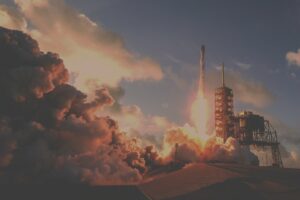
Sending a telescope into orbit involves specialized spacecraft and rockets capable of protecting delicate instruments during the intense forces of launch. Precision navigation and risk mitigation strategies add to the financial burden, as reliable delivery to specific orbits remains a challenging feat even for modern commercial launch providers. - Mission Operations:
After deployment, continuous monitoring, calibration, software maintenance, and data management are essential. Ground teams operate complex systems to process and distribute vast amounts of scientific data globally, contributing to substantial operational expenditures over the mission’s lifespan, often spanning a decade or more. - Development Timeline:
The entire lifecycle of a space telescope project-from initial concept through launch and operation-can span several decades. Extended timelines introduce inflationary pressures, technological evolution, and shifting scientific goals, all of which complicate budgeting and increase overall costs.
Technical Complexity Behind Space Telescope Components
One of the most critical and costly elements of a space telescope is its optical system. Many flagship observatories utilize segmented mirrors composed of hexagonal pieces that fit together to form a large primary mirror. These segments require revolutionary materials and must be polished to near-atomic smoothness. The assembly process demands precision engineering and state-of-the-art laboratories to eliminate even the smallest imperfections, ensuring optimal performance in space.
Operational Challenges and Data Management
Operating a space telescope involves more than just maintaining the hardware in orbit. Dedicated teams on Earth continuously calibrate instruments, update software, and troubleshoot anomalies. The data collected is immense, necessitating robust infrastructure for processing, archiving, and sharing with the global scientific community. These ongoing activities represent a significant portion of the total mission cost.
Impact of Project Duration on Budget
Space telescope projects often experience prolonged development phases, sometimes lasting decades. This extended timeframe introduces financial complexities such as inflation, evolving technologies, and changing scientific priorities. Delays and unforeseen technical difficulties are common, further inflating costs and requiring adaptive financial planning.
Scientific and Technological Benefits
Investing in space telescopes yields profound scientific insights and technological advancements. These instruments have been pivotal in exploring dark energy, tracing galaxy formation, and discovering potentially habitable exoplanets. Beyond pure science, innovations developed for space telescopes frequently translate into improvements in fields like medicine, telecommunications, and materials engineering.
Emerging Trends and Cost Reduction Strategies
Recent technological progress and international partnerships are helping to moderate the traditionally high costs of space telescopes. Smaller, more affordable missions equipped with miniaturized instruments and utilizing shared launch opportunities are becoming more common. This trend democratizes space observation, enabling more frequent and diverse explorations without the enormous budgets of earlier flagship projects.
Why Understanding the Cost of Space Telescopes Matters
Recognizing the multifaceted expenses involved in space telescopes deepens appreciation for the scale of human ingenuity and ambition driving these missions. While headline figures often reach into the billions, each dollar invested pushes the frontiers of technology and knowledge. Ultimately, these investments enrich humanity’s understanding of the cosmos and inspire future generations to continue exploring the universe.
Summary
The cost of a space telescope is a complex amalgamation of advanced engineering, launch logistics, operational demands, and long-term project management. These factors combine to create a significant financial commitment that reflects humanity’s quest to explore beyond our planet. The resulting scientific discoveries and technological innovations underscore the invaluable return on this investment, offering a transformative perspective on our place in the universe.
FAQ
What are the main factors influencing the cost of space telescopes?
The main factors include design and manufacturing, launch expenses, mission operations, and the development timeline.
Why is the operation of space telescopes costly?
Operating space telescopes involves continuous monitoring, calibration, software maintenance, and data management, which incur substantial operational costs.


Leave a Reply