
Short Answer
Understanding the Intersection of Quantum Computing and Artificial Intelligence
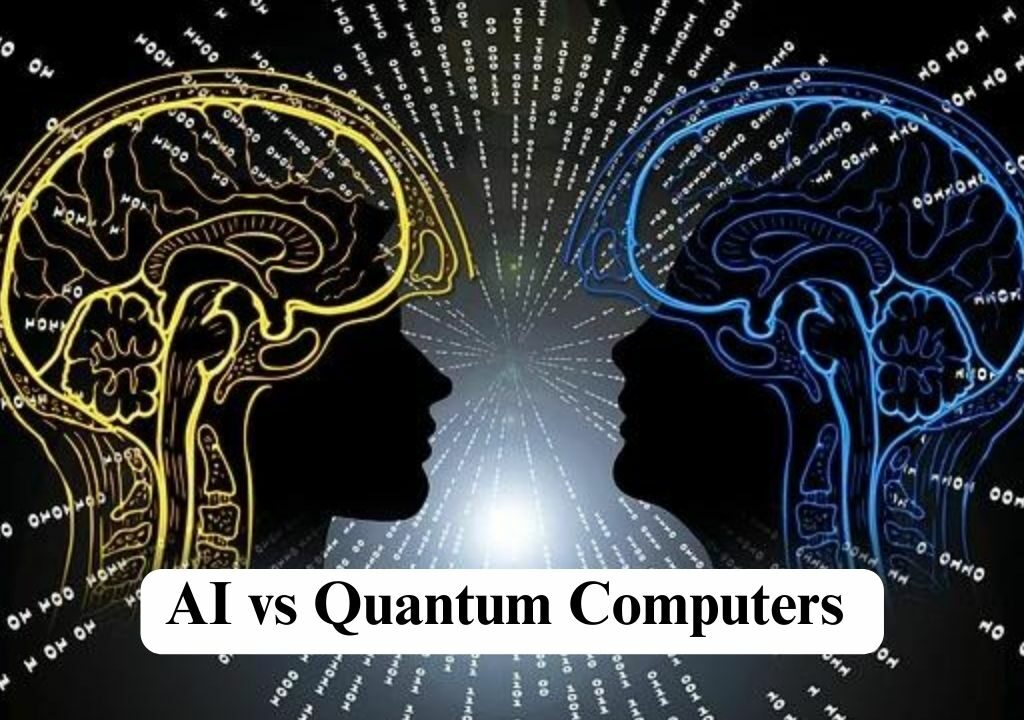
At the crossroads of artificial intelligence (AI) and quantum computing lies a compelling inquiry: can quantum computers become genuinely advantageous for AI applications? This question, while seemingly paradoxical, encourages a deep examination of the strengths and limitations inherent in both fields and their potential integration. The convergence of these advanced technologies offers both exciting possibilities and significant obstacles.
Fundamentals of Quantum Computing and AI
Quantum computers leverage the principles of quantum mechanics, utilizing quantum bits or qubits that can exist in multiple states simultaneously through a phenomenon called superposition. This capability allows quantum devices to execute computations at speeds unattainable by classical machines. In contrast, traditional AI algorithms depend on classical computing architectures, processing extensive datasets through deterministic, rule-based logic. While classical AI excels in specific, well-defined tasks, it often struggles with the complexity and scale of certain problems. Combining quantum computing with AI could revolutionize computational approaches, but critical questions remain: which AI tasks stand to gain the most from quantum acceleration, and are we prepared to overcome the challenges involved?
Quantum Computing’s Role in Enhancing Machine Learning
Machine learning, a core subset of AI, is notably resource-intensive, especially deep learning models that require substantial data and computational power for training. Quantum machine learning proposes a paradigm shift by potentially solving linear algebra problems exponentially faster than classical methods. Algorithms such as Quantum Support Vector Machines and Quantum Neural Networks exemplify this potential, offering accelerated processing for tasks like classification and regression.
Additionally, quantum computing could revolutionize feature selection in data preprocessing. By efficiently identifying the most relevant features from large, noisy datasets, quantum-enhanced methods may improve AI’s ability to focus on critical information. However, translating these theoretical benefits into practical, interpretable AI systems remains a significant hurdle. Balancing quantum speedups with the need for transparent and explainable AI outcomes is an ongoing challenge.
Optimization Challenges and Quantum Solutions
Optimization underpins many AI-driven applications, including logistics, financial modeling, and resource management. Classical optimization techniques often encounter scalability issues when dealing with complex combinatorial problems. Quantum algorithms, such as the Quantum Approximate Optimization Algorithm (QAOA), exploit quantum entanglement to explore solution spaces more efficiently, potentially delivering near-optimal results faster than classical counterparts.
Despite this promise, practical implementation faces obstacles related to current quantum hardware limitations. Questions about the readiness of quantum processors to handle large-scale optimization tasks and the feasibility of integrating these solutions into real-world systems remain open.
Philosophical and Ethical Considerations
The integration of quantum computing into AI raises profound ethical and philosophical questions. AI systems, designed to operate autonomously and learn from vast datasets, inherently carry risks related to complexity and unpredictability. Introducing quantum capabilities could amplify these risks by increasing system complexity beyond human comprehension. This raises concerns about the transparency, control, and accountability of AI systems empowered by quantum technologies.
Ethical deliberations must address whether accelerating AI’s capabilities through quantum means aligns with societal values and safety standards. The potential for AI systems to operate in ways that elude human understanding necessitates careful consideration of governance and oversight mechanisms.
Current Limitations of Quantum Hardware
One of the primary barriers to the fusion of quantum computing and AI is the immature state of quantum hardware. Present-day quantum processors are constrained by limited qubit counts and high error rates, necessitating advances in quantum error correction and fault-tolerant computing. Developing a stable quantum environment capable of supporting complex AI algorithms is a critical challenge.
Beyond hardware, new computational frameworks and paradigms must be devised to effectively integrate quantum computing with AI methodologies. This requires interdisciplinary collaboration and innovative thinking to harness the full potential of quantum-enhanced AI.
Unique Capabilities of Quantum Computing Beyond Speed
Quantum computing offers more than just accelerated processing speeds. The principle of quantum entanglement inspires novel algorithmic approaches that incorporate probabilistic decision-making, potentially leading to AI models that learn and adapt in fundamentally new ways. This fusion of classical AI techniques with quantum mechanics could redefine our understanding of intelligence, paving the way for cognitive architectures that blend quantum phenomena with advanced machine learning.
Prospects and Timelines for Quantum-AI Integration
While theoretical progress in quantum computing and AI integration is substantial, practical applications remain on the horizon. The evolving landscape presents a dual narrative: one filled with promise for transformative breakthroughs, and another shadowed by technical and ethical uncertainties. Determining when and how quantum computing will meaningfully enhance AI tasks is an ongoing area of research and debate.
Conclusion: Balancing Innovation with Responsibility
The interplay between quantum computing and artificial intelligence embodies both tremendous potential and significant ambiguity. The synergy of rapid quantum computation and AI’s evolving capabilities invites a future rich with innovation, yet fraught with ethical and practical challenges. As quantum technologies advance, it is imperative to navigate this frontier with vigilance, ensuring that progress aligns with ethical standards and human understanding while unlocking new horizons in computational intelligence.
FAQ
How can quantum computing benefit AI?
Quantum computing can potentially speed up certain AI tasks, such as optimization and machine learning, by processing information in ways classical computers cannot.
What are the current limitations of quantum hardware?
Current quantum hardware faces limitations such as low qubit counts, high error rates, and challenges in achieving fault tolerance.
What ethical considerations arise from using quantum computing in AI?
Integrating quantum computing into AI raises concerns about system complexity, transparency, accountability, and whether it aligns with societal values.






Leave a Reply