
Short Answer
Definition of Calibration
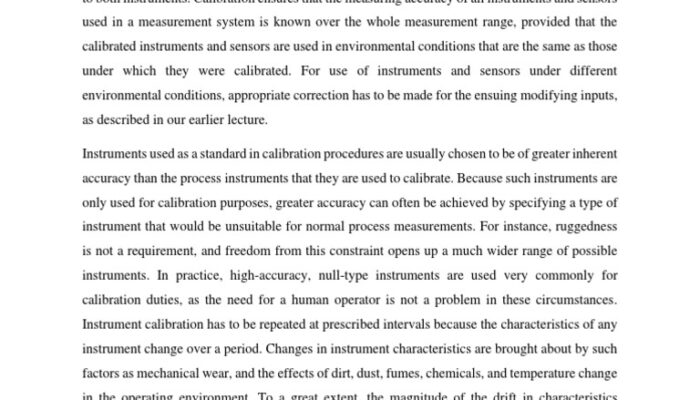
Calibration is the systematic process of adjusting and verifying the accuracy of measuring instruments by comparing their output against established reference standards. This procedure ensures that the instrument’s readings are consistent, reliable, and traceable to recognized benchmarks, thereby maintaining measurement integrity across various applications.
- Purpose:
To align an instrument’s measurements with known standards, minimizing errors and enhancing precision. - Scope:
Applies to a wide range of devices, from simple thermometers to sophisticated laboratory equipment. - Frequency:
Regular calibration is essential to counteract factors such as wear, environmental influences, and instrumental drift.
Importance of Calibration in Measurement Accuracy
Measuring devices are integral to numerous sectors, including law enforcement, healthcare, manufacturing, and scientific research. The accuracy of these instruments directly impacts decision-making, safety, and quality control. Calibration guarantees that measurements are trustworthy, which is critical for compliance with regulatory standards and for maintaining operational excellence.
Calibration Process Overview
Initial Inspection
The calibration procedure begins with a thorough examination of the instrument to detect any physical damage or signs of deterioration that could affect performance. Identifying such issues early prevents inaccurate calibration results and ensures the instrument is fit for testing.
Comparison Against Standards
Following inspection, the instrument is tested under controlled conditions by measuring known reference values. For example, a pressure gauge might be evaluated using a dead weight tester, which provides a precise pressure benchmark. Any deviations between the instrument’s readings and the standard are carefully recorded.
Adjustment and Realignment
If discrepancies are found, technicians adjust the instrument to correct its output. This can involve mechanical tweaks, such as turning calibration screws, or software recalibration in digital devices. Some instruments feature self-calibration capabilities, automatically fine-tuning themselves based on internal feedback mechanisms. In certain cases, component replacement or modification may be necessary to restore accuracy.
Verification and Documentation
After adjustments, the calibration tests are repeated to confirm accuracy. The results are documented in a calibration certificate, which details the instrument’s condition before and after calibration. This record is vital for quality assurance and regulatory compliance, especially in industries like pharmaceuticals and aerospace.
Challenges in Calibration
- Environmental Influences:
Variations in temperature, humidity, and pressure can affect instrument readings. Calibration must be performed under controlled environmental conditions to ensure consistency. - Obsolescence and Compatibility:
Older or highly specialized instruments may lack compatible standards or require unique calibration methods, necessitating specialized expertise or updated protocols. - Human Factors:
The skill and training of personnel conducting calibration are crucial. Inadequate expertise can lead to errors with potentially serious consequences, particularly in critical fields such as medicine and aerospace.
Standards and Traceability
Calibration relies on standards that are traceable to national or international authorities, such as the National Institute of Standards and Technology (NIST) in the United States or the International Organization for Standardization (ISO) worldwide. This traceability ensures uniformity and comparability of measurements across different regions and industries, fostering global confidence in measurement accuracy.
Real-World Applications of Calibration
Calibration plays a pivotal role in various practical contexts:
- Pharmaceutical Industry:
Precise measurements are essential for drug formulation and quality control, ensuring safety and efficacy. - Manufacturing:
Calibrated instruments maintain product quality and reduce waste by ensuring machinery operates within specified tolerances. - Law Enforcement:
Devices like breathalyzers must be accurately calibrated to provide legally defensible results. - Scientific Research:
Reliable data collection depends on well-calibrated instruments to validate experimental outcomes.
Common Misconceptions About Calibration
Calibration is a one-time process.
Instruments require periodic recalibration to maintain accuracy over time due to wear and environmental factors.
Calibration guarantees absolute accuracy.
Calibration minimizes errors but cannot eliminate all uncertainties inherent in measurement.
Only complex instruments need calibration.
Even simple devices like thermometers benefit from regular calibration to ensure reliable readings.
Significance of Calibration in Modern Industry and Science
Accurate calibration underpins the reliability of measurements that drive innovation, safety, and quality across diverse fields. It enhances confidence in data, supports regulatory compliance, and optimizes operational efficiency. As technology advances and automation becomes more prevalent, maintaining rigorous calibration standards and skilled personnel remains essential to uphold measurement integrity and foster continued progress.
FAQ
What is calibration?
Calibration is the process of adjusting measuring instruments to align their readings with established standards to ensure accuracy.
Why is calibration important?
It ensures that measurements are accurate and reliable, which is critical for safety, quality control, and regulatory compliance.
What challenges affect calibration?
Environmental factors, instrument obsolescence, and human error are common challenges in calibration.
What does a calibration certificate include?
It documents the instrument's condition before and after calibration, the results, and compliance with standards.



Leave a Reply