
Short Answer
Definition: The Traveling Physicist Concept
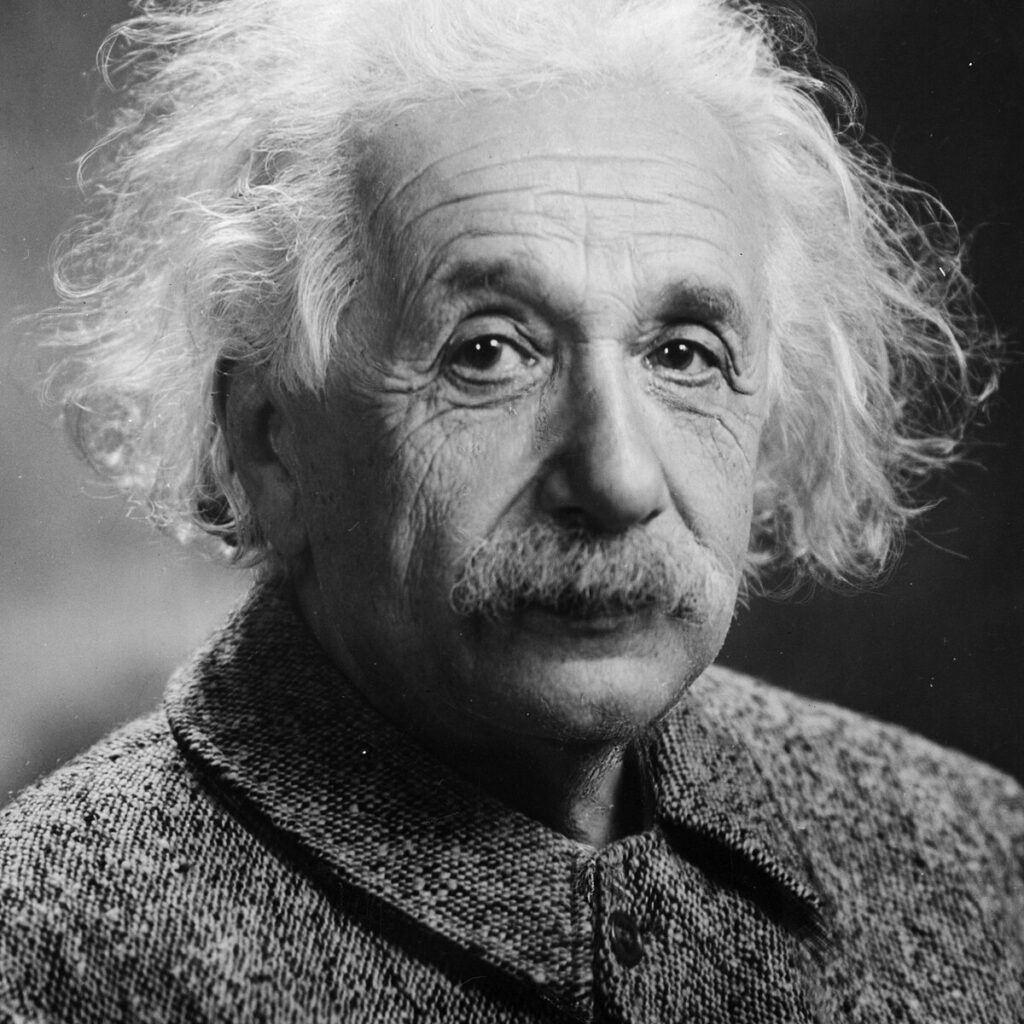
Albert Einstein, renowned for his groundbreaking contributions to physics, is often celebrated for his theories of special and general relativity. Beyond his scientific achievements, an intriguing dimension of his life is his extensive travels and how these journeys influenced his intellectual development. The notion of Einstein as a “traveling physicist” highlights the integral role that movement across different cultures, environments, and academic circles played in shaping his revolutionary ideas.
Early Intellectual Development in Europe
Einstein’s formative years were deeply intertwined with his experiences in Europe, especially in Switzerland. During this period, he actively questioned established scientific beliefs while engaging with contemporary thinkers. The cafés of Bern, for instance, were not just social hubs but incubators for his innovative concepts. Here, dialogues ranged from philosophical debates to the practical implications of relativity. Collaborations and correspondences with intellectuals like Michele Besso and Max Planck enriched his thought process, suggesting that even ordinary settings can become the birthplace of extraordinary scientific breakthroughs.
Influence of Swiss Culture and Scientific Community
- Collaborative Environment:
The Swiss academic and social milieu fostered open discussions that challenged traditional physics. - Philosophical Engagement:
Interactions often extended beyond physics, incorporating broader scientific and philosophical ideas.
Expansion of Ideas in Prague
Einstein’s tenure in Prague marked a significant phase where his intellectual horizons broadened further. Immersed in a city known for its vibrant Jewish intellectualism and progressive thought, he encountered diverse cultural influences that encouraged him to rethink scientific paradigms. This cosmopolitan atmosphere played a crucial role in the maturation of his general relativity theory, illustrating how cultural context can subtly steer scientific inquiry.
Prague’s Role in Shaping Scientific Thought
- Cultural Diversity:
Exposure to varied intellectual traditions enriched Einstein’s perspectives. - Scientific Innovation:
The city’s dynamic environment stimulated critical reassessment of existing theories.
Berlin: Scientific Renaissance Amid Political Turmoil
Relocating to Berlin, Einstein entered a period marked by intense scientific collaboration and political challenges. At the Prussian Academy of Sciences, he worked alongside leading physicists, advancing theoretical physics. However, the rise of authoritarian regimes and political unrest influenced his role as a scientist and activist. His outspoken stance on peace and social justice intertwined with his scientific identity, demonstrating the complex relationship between political context and scientific work.
Interplay Between Science and Politics
- Scientific Collaboration:
Berlin was a hub for cutting-edge research and intellectual exchange. - Political Advocacy:
Einstein’s activism against nationalism and war shaped his public persona and scientific engagement.
Later Years in the United States: A New Cultural and Scientific Landscape
Einstein’s emigration to the United States during the Nazi era marked a pivotal transformation in both his personal and professional life. The American scientific community, characterized by innovation and collaboration, provided fertile ground for consolidating his theories. This new cultural environment influenced his views on science and ethics, highlighting the challenge of integrating abstract scientific concepts with humanistic concerns.
Impact of American Culture on Einstein’s Work
- Collaborative Opportunities:
Access to diverse talents and ideas enriched his scientific endeavors. - Ethical Reflections:
The cultural ethos prompted deeper consideration of science’s role in society.
Mechanism of Influence: How Travel Shaped Einstein’s Thought
Einstein’s journeys were not mere physical relocations but intellectual voyages that expanded his worldview. Each place he visited contributed unique cultural and scientific insights, fostering a multidimensional approach to understanding the universe. His lectures worldwide facilitated the spread of relativity, while interactions with emerging scientists nurtured new generations of thinkers. This dynamic exchange underscores the importance of cross-cultural dialogue in scientific progress.
Technological Advances and the Spread of Ideas
The early 20th century witnessed significant advancements in transportation and communication, which played a crucial role in Einstein’s ability to travel and disseminate his ideas. These technological developments shrank distances, enabling rapid intellectual exchange across continents. The concept of relativity itself invites reflection on how knowledge can vary depending on the observer’s context, emphasizing the relativity of understanding in both physics and culture.
Real-World Examples of Einstein’s Travels Impacting Science
- Bern Cafés:
Informal discussions that led to the formulation of special relativity. - Prague Intellectual Circles:
Cultural diversity that influenced the development of general relativity. - Berlin Academy:
Collaboration with leading physicists amidst political activism. - American Universities:
Integration of scientific innovation with ethical considerations.
Common Misconceptions About Einstein’s Travels
Einstein’s travels were purely for leisure.
His journeys were deeply intertwined with his scientific work and intellectual growth.
Scientific ideas develop in isolation.
Einstein’s experiences demonstrate that cultural and social contexts significantly influence scientific theories.
Significance of Einstein’s Travels in Science and Culture
Einstein’s life exemplifies how geographical and cultural environments can profoundly shape scientific thought. His travels facilitated a synthesis of diverse perspectives, enriching his theories and broadening their impact. This interplay between place, culture, and science highlights the interconnectedness of human experience and knowledge, encouraging a holistic approach to understanding the universe.
Conclusion: The Interconnectedness of Science, Culture, and Travel
Viewing Einstein as a “traveling physicist” invites us to appreciate the profound influence of environment on intellectual evolution. His journeys reveal that scientific discovery is not only a product of individual genius but also a reflection of cultural exchange and human connection. In contemplating Einstein’s legacy, we are reminded that the quest for knowledge is inseparable from the diverse contexts in which it unfolds, underscoring the universal nature of scientific inquiry.
FAQ
How did Einstein's travels influence his theories?
Einstein’s travels exposed him to diverse cultural and intellectual environments, which enriched his scientific perspectives and contributed to the development of his theories, particularly relativity.
What role did cultural context play in Einstein's work?
Cultural context provided Einstein with different viewpoints and discussions that challenged and refined his ideas, illustrating the interconnectedness of science and society.



Leave a Reply