
Short Answer
Definition of the Double Helix
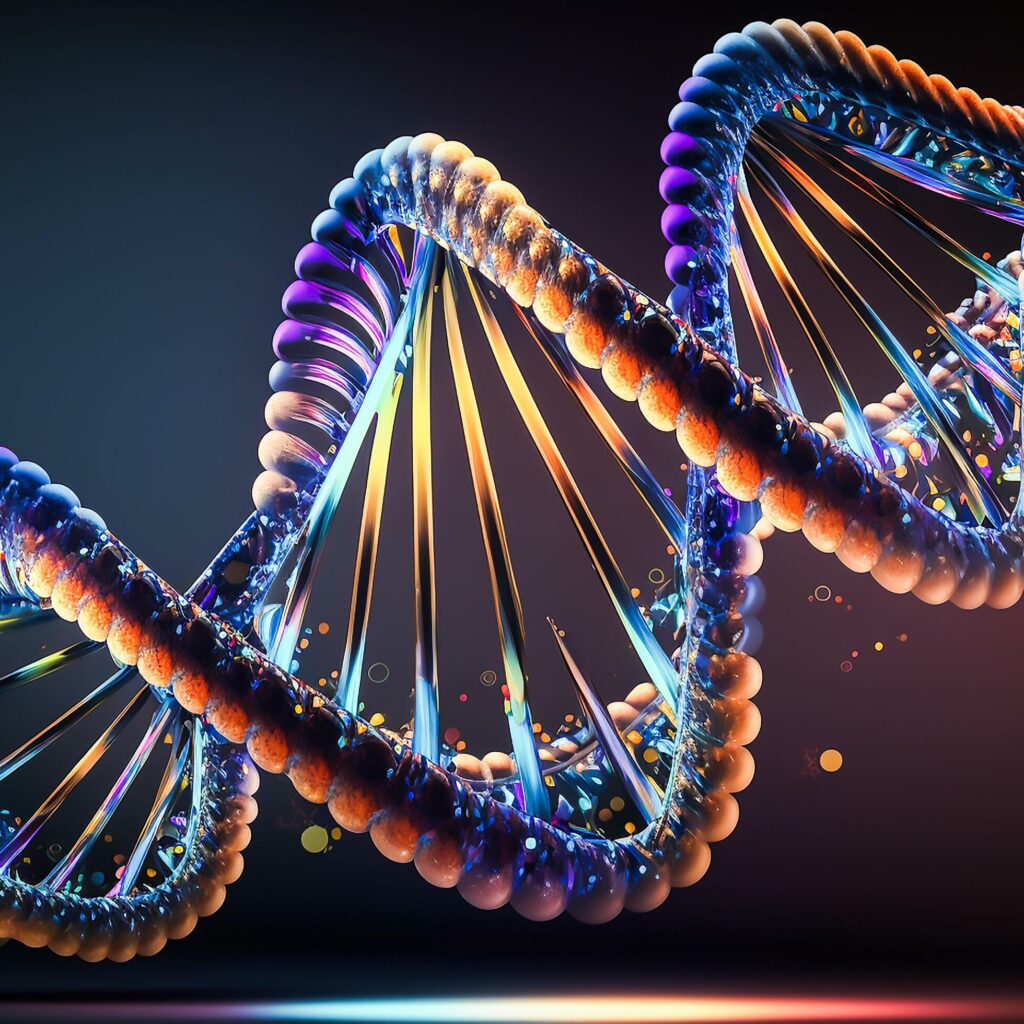
The double helix refers to the distinctive twisted-ladder structure of deoxyribonucleic acid (DNA), which serves as the fundamental blueprint for all living organisms. This molecular configuration consists of two intertwined strands forming a spiral, encoding genetic information essential for biological function and inheritance.
Historical Background and Key Contributors
The discovery of the DNA double helix in 1953 marked a pivotal moment in molecular biology, primarily credited to James Watson and Francis Crick. Their groundbreaking model was built upon crucial experimental data from other scientists, notably Rosalind Franklin and Maurice Wilkins. Franklin’s X-ray crystallography, especially the iconic Photograph 51, provided indispensable evidence that shaped the understanding of DNA’s helical form. This collaborative scientific effort exemplifies how diverse expertise and data converge to drive major breakthroughs.
Structural Insights and Mechanism of DNA
The double helix structure reveals how DNA stores and replicates genetic information with remarkable precision. Each strand is composed of nucleotide sequences paired through complementary base pairing-adenine with thymine, and cytosine with guanine-ensuring accurate duplication during cell division. This molecular arrangement supports mechanisms for error correction and genetic fidelity, which are vital for maintaining biological continuity across generations.
Impact on Molecular Biology and Genetics
The elucidation of the double helix has revolutionized fields such as molecular biology, genetics, and evolutionary studies. It has provided a framework for understanding hereditary transmission, genetic variation, and mutation processes. Furthermore, this knowledge underpins modern biotechnological advances, including genetic engineering and synthetic biology, where manipulation of DNA sequences enables innovations in medicine, agriculture, and industry.
Broader Cultural and Ethical Implications
Beyond scientific circles, the double helix has permeated popular culture, symbolizing the complexity and wonder of life. It has influenced art, literature, and public discourse, raising profound ethical questions about genetic privacy, identity, and the consequences of gene editing technologies like CRISPR. These developments necessitate ongoing ethical reflection to balance scientific progress with societal values and human rights.
Advances in Gene Regulation and Epigenetics
Modern research extends beyond DNA’s structure to explore gene regulation and epigenetics-the study of how environmental factors influence gene expression without altering the DNA sequence itself. This dynamic perspective challenges deterministic views of genetics, highlighting the interplay between genes and environment in shaping development, adaptation, and disease susceptibility.
Contemporary Genomic Research and Personalized Medicine
Large-scale projects such as the Human Genome Project have mapped the entirety of human genetic material, opening new avenues for personalized medicine. By identifying genetic predispositions, researchers can develop targeted therapies tailored to individual genetic profiles, shifting healthcare from reactive treatment to proactive prevention and precision intervention.
Ethical Challenges and Social Responsibility
- Misconception: Genetic information can be used without ethical concerns.
Correction: The use of genetic data raises significant privacy and discrimination issues, requiring strict ethical guidelines and legal protections. - Misconception: Gene editing technologies are inherently safe and beneficial.
Correction: While promising, gene editing carries risks and moral dilemmas, necessitating careful oversight and public dialogue to prevent misuse and unintended consequences.
Significance of the Double Helix Legacy
The discovery and ongoing study of the double helix structure represent more than a scientific milestone; they embody the spirit of inquiry, collaboration, and ethical mindfulness. This legacy continues to inspire innovation while reminding the scientific community and society at large of the responsibility to pursue knowledge with integrity and caution. As genetic research advances, the principles established by early pioneers remain foundational to navigating the complex future of biology and medicine.
FAQ
What is the double helix?
The double helix is the twisted-ladder structure of DNA, essential for encoding genetic information.
Who discovered the DNA double helix?
The DNA double helix was primarily discovered by James Watson and Francis Crick in 1953, building on Rosalind Franklin's X-ray crystallography.
What are the implications of the double helix on genetics?
The double helix has revolutionized our understanding of genetic inheritance, mutation, and has paved the way for advancements in biotechnology and personalized medicine.





Leave a Reply