
Short Answer
Definition of Electric Road Trips
An electric road trip refers to a long-distance journey undertaken using an electric vehicle (EV), typically spanning extensive terrains such as cross-country travel. This mode of travel emphasizes sustainability by utilizing battery-powered cars instead of traditional fossil fuel vehicles, thereby reducing carbon emissions and promoting eco-friendly transportation.
Challenges and Considerations for Cross-Country EV Travel
Traveling across vast regions in an electric car presents unique challenges, primarily centered around the availability of charging infrastructure and vehicle range limitations. Range anxiety-the fear of depleting battery power before reaching a charging station-is a significant concern for EV drivers, especially in remote or less-developed areas.
- Charging Infrastructure:
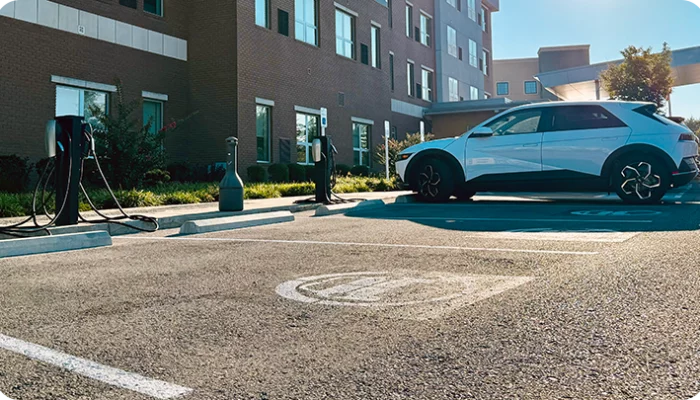
While the United States is progressively expanding its network of EV charging stations, these are often concentrated along major highways and urban centers. Remote stretches such as deserts, forests, and mountainous regions may have sparse or no charging options, necessitating careful route planning. - Route Planning:
Successful electric road trips require detailed itineraries that incorporate charging stops, allowing travelers to recharge while exploring local attractions or resting. This planning transforms each segment of the journey into an opportunity for cultural engagement and scenic appreciation.
Variety of Electric Vehicles and Their Impact on the Journey
The diversity of electric vehicle models influences both the practicality and enjoyment of a road trip. Options range from compact city cars with limited battery capacity to larger SUVs equipped with extended-range batteries.
- Performance and Range:
Vehicles like the Tesla Model Y benefit from extensive proprietary charging networks, enabling faster and more convenient recharging. Conversely, other models may offer advantages in affordability or environmental sustainability but require more strategic planning due to limited charging options. - Vehicle Selection:
Choosing the right EV involves balancing factors such as battery range, charging speed, cost, and personal preferences to optimize the travel experience.
Time Management and Charging Dynamics
Charging an electric vehicle during a road trip introduces new considerations regarding time allocation. Fast-charging stations can replenish batteries quickly, but these are not always available, especially in rural or isolated areas.
- Charging Duration:
Depending on the charger type and battery capacity, charging can take anywhere from 20 minutes to several hours, influencing the overall travel schedule. - Utilizing Downtime:
Charging stops can be reframed as opportunities for rest, sightseeing, or engaging with local culture, turning potential delays into enriching experiences.
Environmental Significance of Electric Road Trips
Electric vehicles symbolize a commitment to reducing environmental impact by minimizing greenhouse gas emissions. Road trips through natural landscapes, such as national parks, highlight the harmony between technology and conservation efforts.
- Carbon Footprint Reduction:
By replacing gasoline-powered vehicles with EVs, travelers contribute to cleaner air and less environmental degradation. - Eco-Tourism Synergy:
Exploring protected areas with zero tailpipe emissions aligns with sustainable tourism principles, preserving natural beauty for future generations.
Technological Innovations Enhancing EV Road Trips
Modern electric vehicles are equipped with advanced technologies that facilitate long-distance travel and improve user experience.
- Navigation Systems:
EV-specific GPS tools provide real-time information on charging station locations, availability, and optimal routes, reducing uncertainty during travel. - Connectivity and Community:
Online platforms and social media groups create supportive networks where EV travelers share advice, experiences, and updates on charging infrastructure.
Impact of Weather and Environmental Conditions
External factors such as temperature and weather significantly affect EV performance and battery efficiency, influencing the planning and execution of road trips.
- Cold Weather Effects:
Low temperatures can reduce battery range and increase charging times, heightening range anxiety. - Heat Considerations:
Excessive heat may also impact battery health and charging efficiency, requiring travelers to adapt their schedules accordingly.
Why Electric Road Trips Are Transformative
Embarking on a cross-country journey in an electric vehicle represents more than just travel; it embodies a fusion of innovation, environmental responsibility, and adventure. As the EV infrastructure continues to develop, these trips become increasingly accessible, offering a glimpse into a sustainable future of transportation.
This evolving mode of travel invites eco-conscious explorers to experience the American landscape in a way that respects and preserves its natural wonders, while embracing cutting-edge technology and community support. The electric road trip is not only a practical endeavor but also a meaningful statement about the direction of modern mobility.
FAQ
Is it practical to take an electric vehicle on a US cross-country road trip?
Yes, with adequate planning and use of available charging infrastructure, taking an electric vehicle on a cross-country trip is practical and increasingly common.
What is range anxiety and how does it affect EV road trips?
Range anxiety is the fear of running out of battery power without access to charging stations, which requires careful route and charging planning.
How does weather impact electric vehicle performance on long trips?
Extreme cold can reduce battery efficiency and range, while heat can affect charging times, so travelers should prepare accordingly.
Are there communities or resources to support EV travelers?
Yes, online forums, social media groups, and dedicated EV apps provide support, tips, and updated charging location information.
What are some benefits of traveling by electric car?
Benefits include lower emissions, quieter travel, cost savings on fuel, and access to innovative technology enhancing the travel experience.





Leave a Reply