
Short Answer
Definition of Earth’s Core and Continental Surfaces
The Earth is a complex and dynamic planet, composed of multiple layers that interact to shape its surface features. At its center lies the core, a dense and intensely hot region, while the outermost layer consists of continents-vast landmasses that bear the visible marks of geological history. Understanding the relationship between the Earth’s core and its continents provides insight into the planet’s ongoing evolution and the forces that mold its landscapes.
- Earth’s Core:
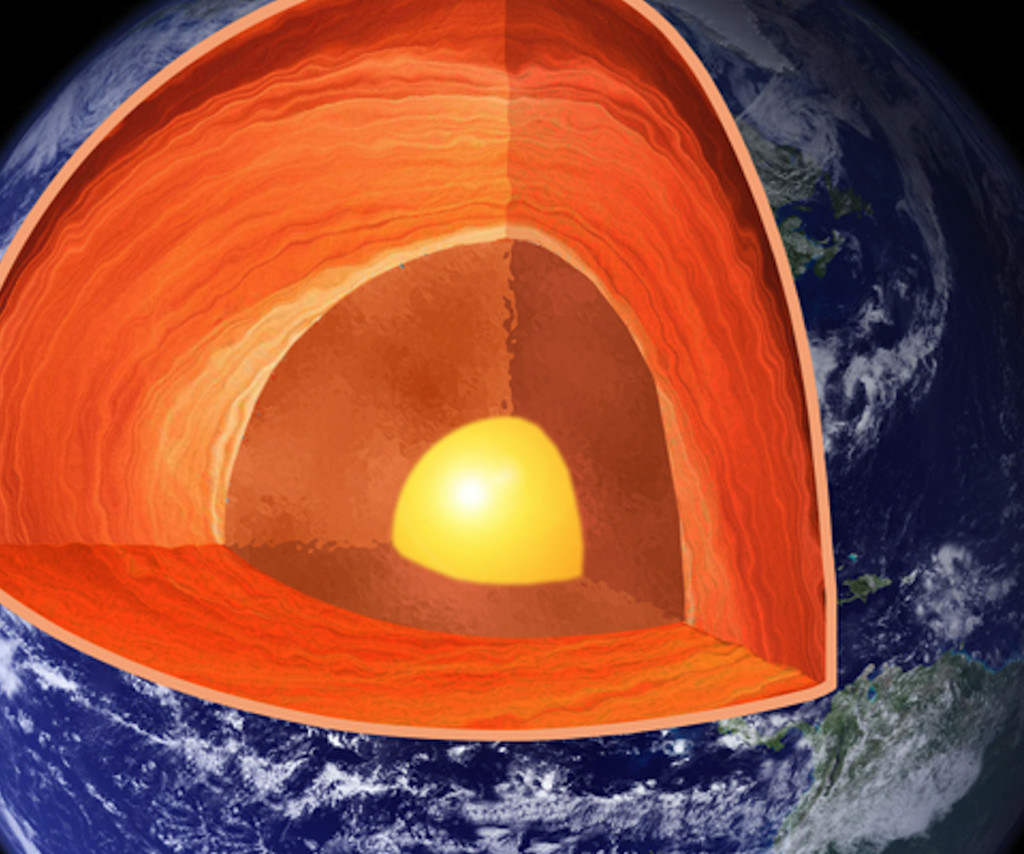
The innermost part of the planet, divided into a liquid outer core and a solid inner core, primarily made of iron and nickel, responsible for generating Earth’s magnetic field. - Continents:
Large, stable landmasses forming the Earth’s crust, shaped by tectonic activity, volcanic processes, and erosion, all influenced by the heat and dynamics originating from the core.
Structure and Composition of the Earth’s Core
The Earth’s core is composed of two distinct layers: the outer core and the inner core. The outer core is a fluid layer of molten metal that creates the geomagnetic dynamo effect, producing the planet’s magnetic field. Beneath this lies the solid inner core, an extremely dense sphere primarily made of iron and nickel. These layers exist under immense pressure and temperature, conditions that drive the geological processes observable at the surface.
Geological Processes Linking Core and Continents
The continents we see today are the product of continuous geological activity powered by the heat emanating from the Earth’s core. This geothermal energy drives mantle convection, which in turn propels tectonic plates across the planet’s surface. These movements result in phenomena such as mountain building, volcanic eruptions, and the gradual reshaping of continents.
- Plate Tectonics:
The slow movement of lithospheric plates caused by mantle convection, shaping continents and ocean basins. - Volcanism:
The ascent of magma from deep within the Earth, forming volcanic islands and mountain ranges. - Erosion and Sedimentation:
Surface processes that modify landscapes, influenced indirectly by tectonic uplift and volcanic activity.
Mountain Formation and Mantle Dynamics
Mountain ranges such as the Appalachian Mountains exemplify the deep connection between surface geology and core-driven processes. These mountains formed hundreds of millions of years ago through the collision of tectonic plates, a process initiated by mantle convection currents. The rising of hot mantle material creates rifts and uplifts that eventually form mountain belts, preserving a geological record of Earth’s internal activity.
Volcanism as a Window into Earth’s Interior
Volcanic activity offers direct evidence of the Earth’s internal heat and material movement. For instance, the Hawaiian Islands are formed by a stationary mantle plume-a localized upwelling of hot material from deep within the Earth. This hotspot volcanism illustrates how heat from the core influences surface geology, providing clues about the composition and behavior of the mantle and core.
Isostasy and Continental Equilibrium
Isostasy describes the gravitational balance between the Earth’s crust and the underlying mantle. Variations in crustal thickness and density, caused by tectonic and volcanic processes, result in the continents “floating” at different elevations. This balance reflects the ongoing interaction between surface features and the dynamic forces originating from the Earth’s interior.
Metamorphism and Geological Transformation
Metamorphic rocks, formed under intense pressure and temperature conditions, serve as records of the Earth’s internal processes. These rocks reveal the effects of tectonic stress and geothermal gradients, linking surface geology to the deeper mechanisms driven by the core. Regions like the Sierra Nevada showcase fossilized evidence of ancient geothermal activity, highlighting the transformative power of Earth’s interior heat.
Sedimentary Basins and Core-Driven Tectonics
Sedimentary basins, often rich in natural resources such as hydrocarbons, form through complex interactions of deposition, erosion, and tectonic activity. These basins are influenced by faulting and thermal processes connected to the Earth’s internal heat flow, demonstrating how core dynamics indirectly affect resource distribution and environmental history.
Why Understanding the Core-Continent Relationship Is Crucial
Exploring the link between the Earth’s core and its surface features deepens our comprehension of planetary dynamics. This knowledge is vital for fields such as geology, environmental science, and natural resource management. It also fosters an appreciation for the delicate balance and resilience of the Earth’s systems, reminding us of the powerful forces shaping our world beneath the surface.
Common Misconceptions About Earth’s Interior and Surface
The continents are static and unchanging.
Continents are constantly moving due to tectonic plate dynamics driven by mantle convection.
Volcanic activity is random and unrelated to Earth’s core.
Volcanism is directly linked to heat and material movement from the core and mantle.
The Earth’s core is solid throughout.
The outer core is liquid, while the inner core is solid, each playing distinct roles in Earth’s geodynamics.
Real-World Examples Illustrating Core and Surface Interactions
The Appalachian Mountains demonstrate how ancient tectonic collisions, powered by mantle convection, create mountain ranges. The Hawaiian Islands exemplify hotspot volcanism, where a mantle plume originating near the core produces volcanic islands. Sedimentary basins such as those found in the Gulf of Mexico highlight how tectonic and thermal processes influence resource-rich environments.
FAQ
What is the composition of the Earth's core?
The Earth’s core consists primarily of iron and nickel, with a liquid outer core and a solid inner core.
How does the Earth's core influence continental movement?
Heat from the Earth’s core drives mantle convection, which causes tectonic plates to move, shaping continents and ocean basins.
What causes volcanic activity on Earth?
Volcanic activity is caused by magma rising from deep within the Earth, influenced by heat and material movement from the core and mantle.
What is isostasy and how does it affect continents?
Isostasy is the gravitational balance between the Earth’s crust and mantle, causing continents to float at varying elevations depending on crustal thickness and density.
Are continents static or constantly changing?
Continents are constantly moving and changing due to tectonic plate dynamics driven by mantle convection.




Leave a Reply