Is the Higgs boson present in every particle?

Definition of the Higgs Boson and Its Significance The Higgs boson is a fundamental particle intimately connected to the Higgs field, a pervasive energy field that exists throughout the universe. Discovered in 2012, this particle plays a pivotal role in the mechanism that endows certain elementary particles with mass. Understanding the Higgs boson requires exploring […]

Read More →

What is the standard model all about?

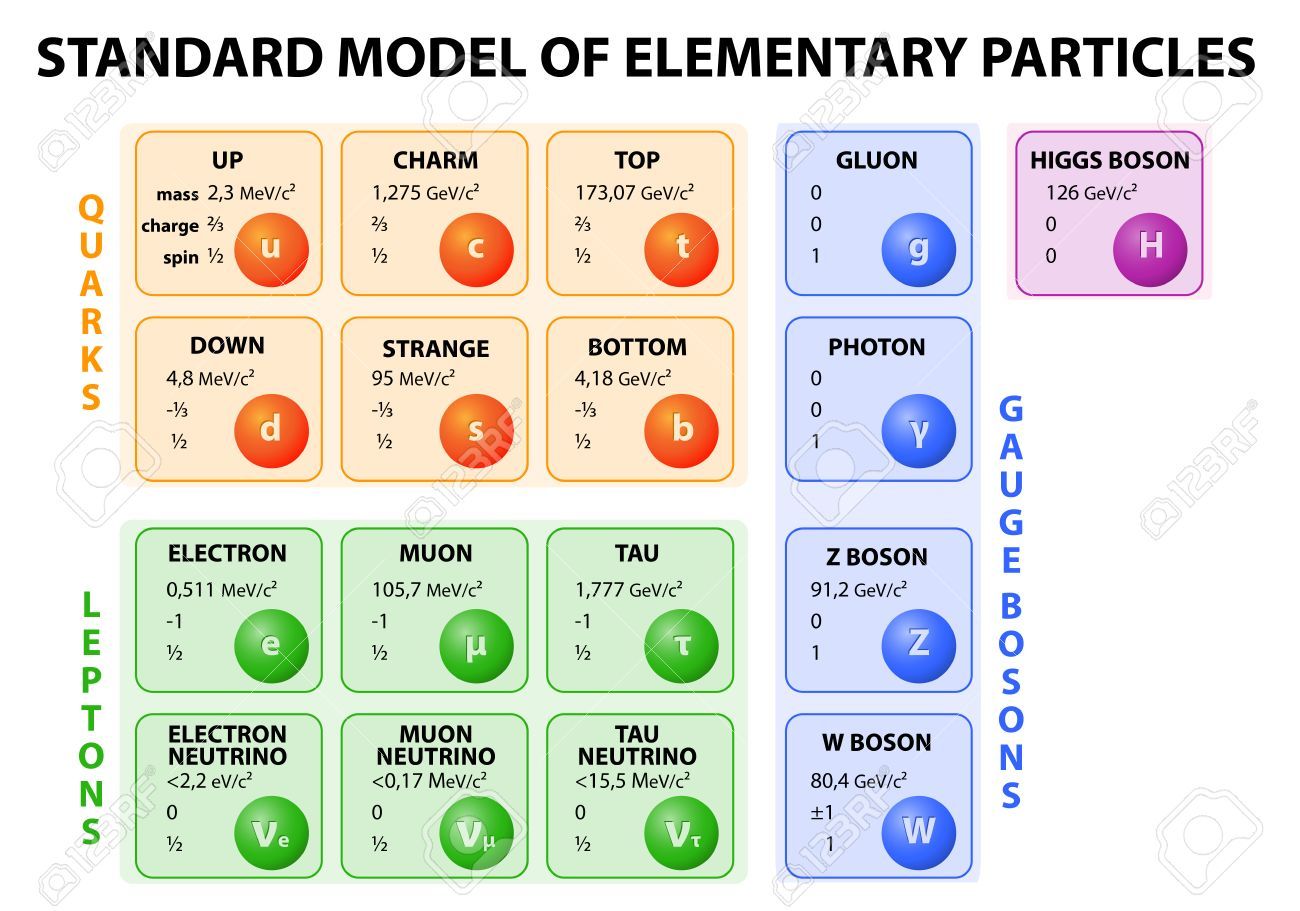
Definition of the Standard Model The Standard Model of particle physics is a comprehensive theoretical framework that describes the fundamental particles constituting matter and the forces that govern their interactions. It serves as the cornerstone of modern physics, providing a detailed map of the subatomic world and explaining how particles combine and interact to form […]

Read More →

Are US nuclear test sites still radioactive?

Definition of Radioactivity at Nuclear Test Sites Radioactivity refers to the spontaneous emission of particles or energy from unstable atomic nuclei as they transform into more stable forms. Nuclear test sites, where atomic weapons were detonated, often contain residual radioactive materials that persist in the environment long after testing has ceased. These sites are of […]

Read More →

Boost for Canadian Particle Physics: North America Powers Up

Overview of Particle Physics in Canada Particle physics, the scientific study focused on the most elementary building blocks of matter, has seen remarkable growth and investment worldwide. In Canada, this field is experiencing a significant surge, marked by innovative research projects and extensive collaborative networks. The phrase “Boost for Canadian Particle Physics” captures the current […]

Read More →

How do they put elements in the LHC?

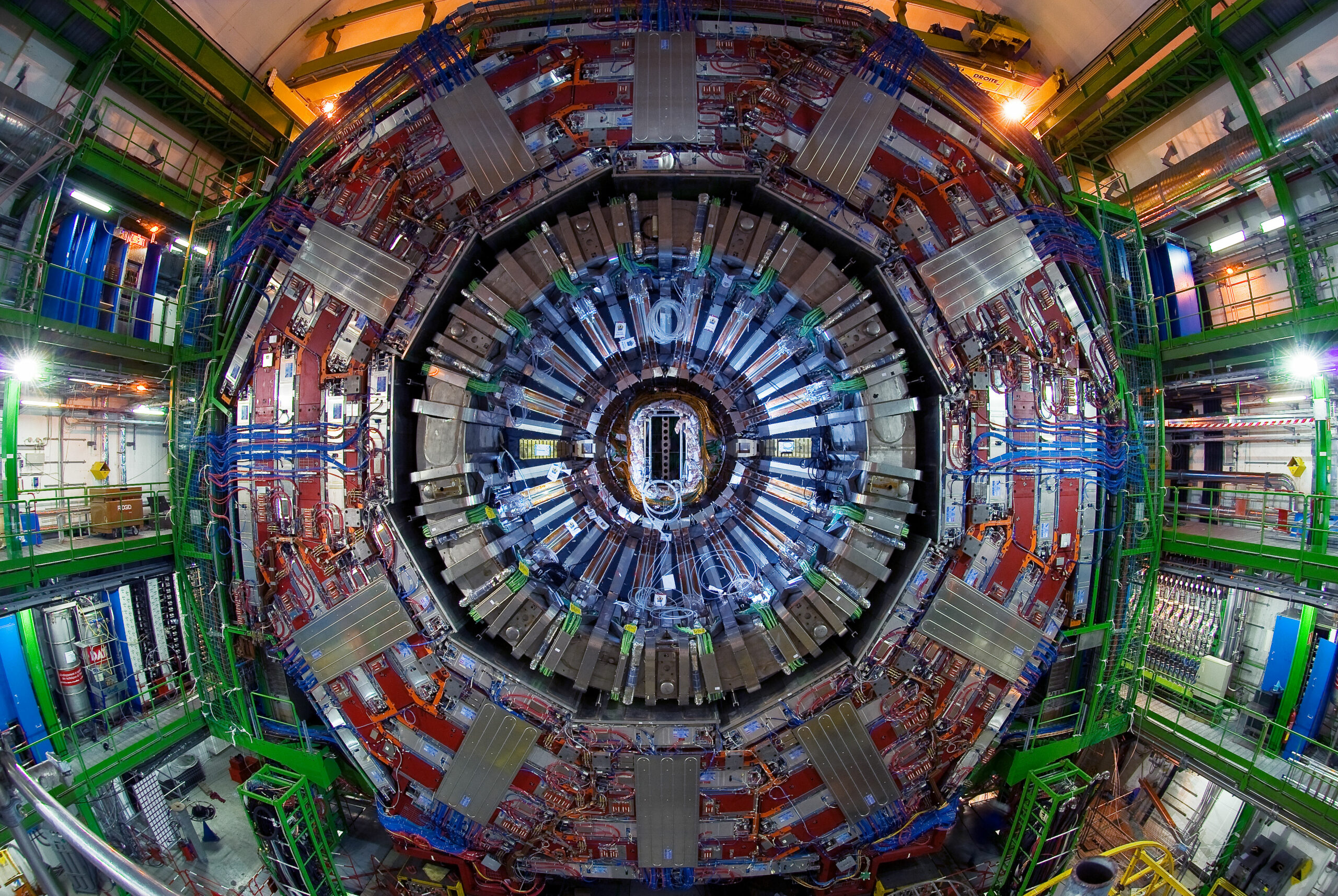
Definition of Particle Injection in the Large Hadron Collider Particle injection into the Large Hadron Collider (LHC) refers to the sophisticated process of introducing charged subatomic particles, such as protons or heavy ions, into the accelerator’s extensive 27-kilometer circular tunnel. This procedure is fundamental for initiating high-energy collisions that allow physicists to explore the fundamental […]

Read More →

Is there nuclear force between two electrons?

Definition of Nuclear Force and Electron Interactions The concept of nuclear force traditionally refers to the strong interaction that binds protons and neutrons within an atomic nucleus. This force is a fundamental interaction mediated by gluons, responsible for holding nucleons together despite their electromagnetic repulsion. When considering electrons-elementary particles classified as leptons with a negative […]

Read More →

CERN Edges Closer to Antihydrogen Spectroscopy: Cracking the Cosmic Mirror

Understanding Antihydrogen and Its Significance The quest to comprehend the universe’s fundamental nature has intrigued scientists and philosophers for centuries. A particularly compelling enigma is the pronounced imbalance between matter and antimatter in the cosmos. Despite the universe being filled with particles, antimatter remains extraordinarily rare. The European Organization for Nuclear Research (CERN) has made […]

Read More →

Why haven’t neutrino masses been determined properly?

Understanding Neutrinos Neutrinos are fundamental particles that rank among the most mysterious and elusive constituents of the universe. They play a crucial role within the framework of the Standard Model of particle physics. Characterized by their extremely small mass and lack of electric charge, neutrinos are often compared to faint whispers amid the universe’s dynamic […]

Read More →

Can a heavy atom like plutonium exist as antimatter?

Understanding Matter and Antimatter Matter forms the tangible substance of the universe, consisting of atoms made up of protons, neutrons, and electrons. Antimatter, conversely, is composed of particles that are the exact opposites of those in matter: positrons (antielectrons), antiprotons, and antineutrons. When matter and antimatter meet, they annihilate each other, releasing energy as described […]

Read More →

Which particles affect the stability of an atom?

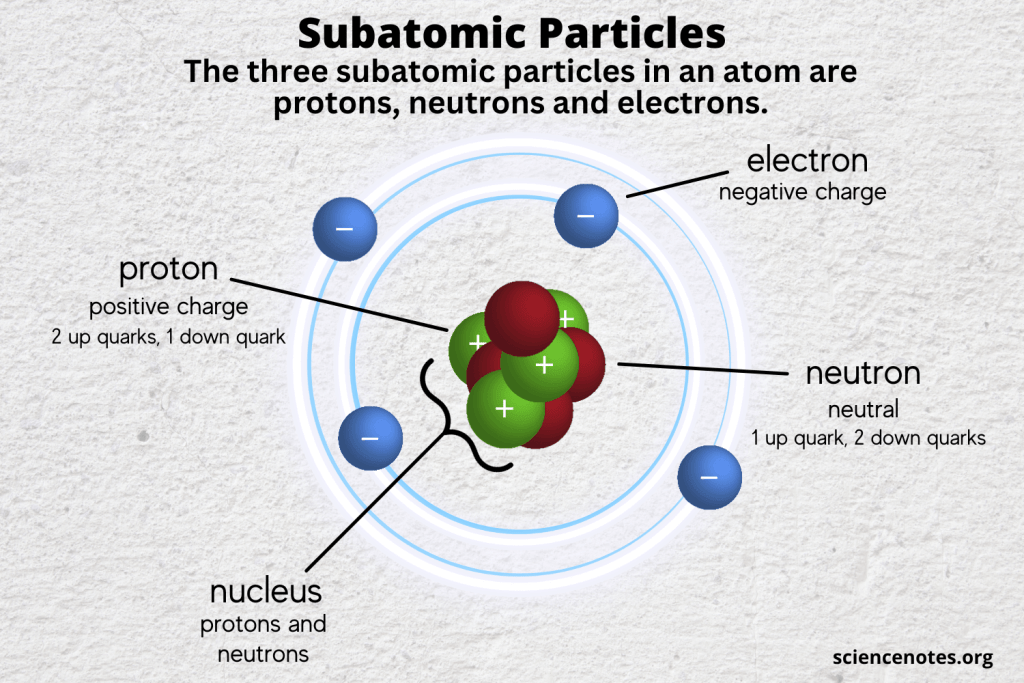
Definition of Atomic Stability Atomic stability refers to an atom’s ability to maintain its structure without spontaneously undergoing radioactive decay or transformation. This stability is determined by the composition and interactions of its subatomic particles-protons, neutrons, and electrons-and the forces that govern their behavior. A stable atom preserves its chemical identity and properties, while instability […]

Read More →