What are the properties of advanced materials?

Definition of Advanced Materials Advanced materials refer to substances engineered at the atomic or molecular scale to exhibit superior and often multifunctional properties that surpass those of conventional materials. These materials are meticulously designed to meet specific performance criteria, enabling breakthroughs in technology and innovation across various industries. Key Characteristics of Advanced Materials Exceptional Strength-to-Weight […]

Read More →

What is the thinnest a blade could possibly be?

Definition of Blade Irons and Their Thickness Blade irons are a category of golf clubs distinguished by their sleek, minimalist design, favored by skilled players who prioritize precision and feel over forgiveness. The thickness of a blade iron refers to the measurement of its clubhead, particularly at the edges, which influences both its aesthetic appeal […]

Read More →

Acoustics Sound Out Strained Steel: Listening to Material Fatigue

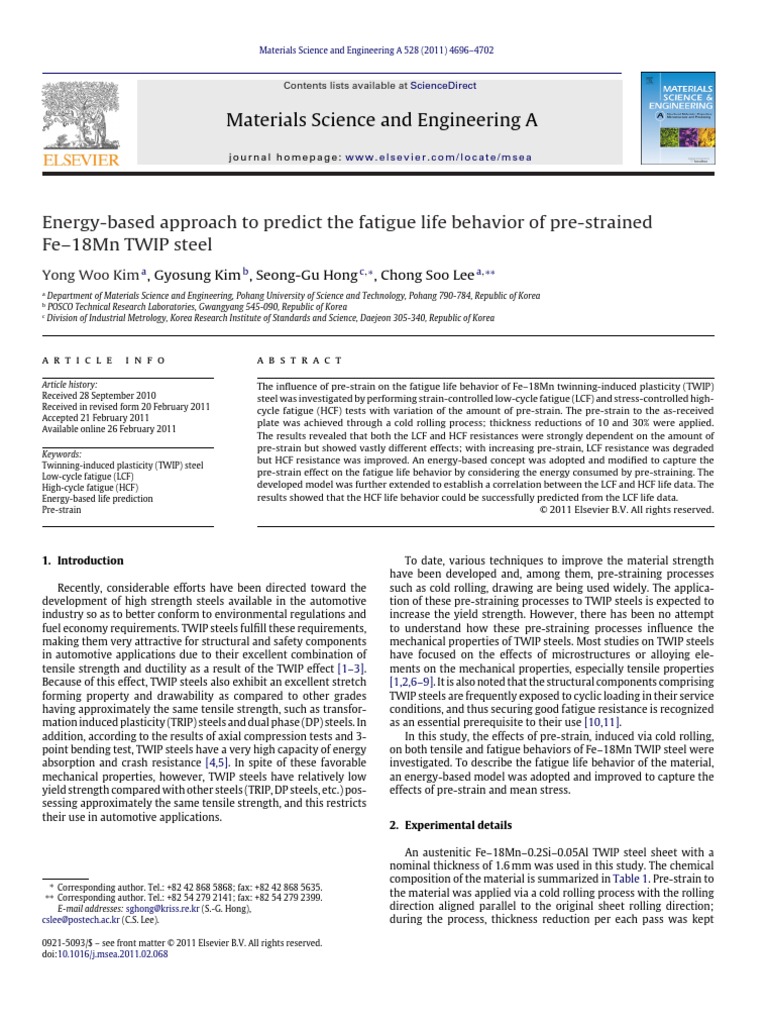
Definition of Acoustic Emissions in Material Fatigue Acoustic emissions refer to the sound waves generated by materials when they undergo stress or deformation. In the context of material fatigue, particularly in steel structures under strain, these emissions provide critical information about the internal state and integrity of the material. This phenomenon bridges physics, engineering, and […]

Read More →

If graphene is a single layer of graphite

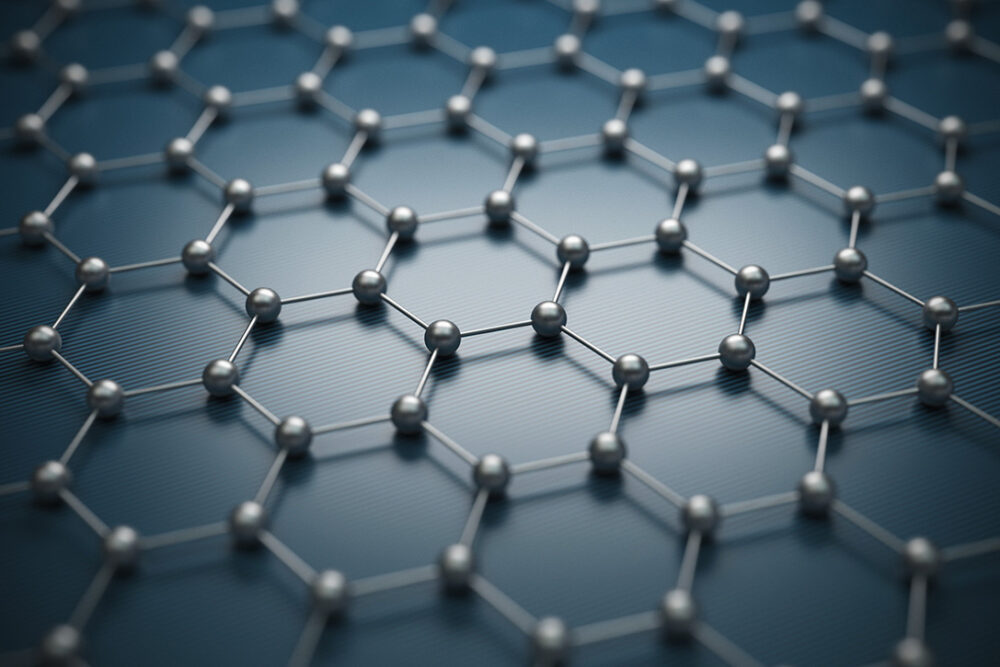
Definition and Structural Overview of Graphene Graphene is a distinctive allotrope of carbon characterized by a single atomic layer of carbon atoms arranged in a two-dimensional hexagonal lattice. It is often described as a monolayer of graphite, yet it possesses unique properties that set it apart from its bulk counterpart. Understanding graphene requires differentiating it […]

Read More →

Where are materials scientists in the pecking order?

Definition of Materials Science and Its Practitioners Materials science is an interdisciplinary field that merges principles from physics, chemistry, and engineering to study the characteristics, behaviors, and applications of various materials. Professionals in this domain, known as materials scientists, investigate substances ranging from metals and ceramics to polymers, focusing on how their atomic and molecular […]

Read More →

What are the advanced materials?

Definition of Advanced Materials Advanced materials refer to a broad category of substances engineered to exhibit superior properties and innovative functionalities beyond those of conventional materials. These materials are pivotal in driving technological progress across various sectors, including aerospace, healthcare, electronics, and energy. Their development marks a transformative shift in how materials are designed, understood, […]

Read More →

Is computer animation better than classic 2D animation?

Understanding Animation Styles Animation, as a form of visual storytelling, encompasses various techniques that have evolved over time. Two prominent styles-computer animation and traditional 2D animation-each offer distinct artistic experiences and technical approaches. The ongoing discussion about which style holds superiority often reflects deeper considerations about creativity, technology, and audience engagement. Traditional 2D Animation Classic […]

Read More →

When will graphene be used in computers?

Understanding Graphene and Its Unique Properties Graphene is a single atomic layer of carbon atoms arranged in a two-dimensional honeycomb lattice. This remarkable material boasts extraordinary characteristics that set it apart from conventional substances used in electronics. Notably, graphene exhibits mechanical strength approximately 200 times greater than steel, while retaining exceptional flexibility. Its electrical conductivity […]

Read More →

What are the types of nanomaterials?

Overview of Nanomaterials Over the past few decades, nanotechnology has rapidly expanded, introducing a wide array of materials engineered at the nanoscale. These materials, with dimensions typically below 100 nanometers, have revolutionized numerous fields including medicine, electronics, and environmental science. Their unique properties, distinct from bulk materials, open up transformative possibilities. To fully appreciate their […]

Read More →

How is graphene harder than a diamond?

Definition of Graphene and Diamond Hardness Graphene is a single atomic layer of carbon atoms arranged in a two-dimensional hexagonal lattice, renowned for its remarkable physical properties. Diamond, on the other hand, is a three-dimensional crystal of carbon atoms bonded in a tetrahedral structure, historically recognized as the hardest natural material. The concept of hardness […]

Read More →