How can we manufacture Graphene at a large scale?

Definition of Graphene and Its Significance Graphene is a single layer of carbon atoms arranged in a two-dimensional honeycomb lattice, representing an allotrope of carbon. Renowned for its extraordinary electrical conductivity, thermal stability, and mechanical strength, graphene has been hailed as a “wonder material” with transformative potential across various scientific and industrial domains such as […]

Read More →

Computer Chips & MXenes: Could 2D Layers Change Computing Forever?

Introduction to MXenes and Their Role in Computing In the rapidly evolving intersection of technology and materials science, novel materials are poised to redefine the future of computing. Among these, two-dimensional (2D) materials, especially MXenes, have emerged as promising candidates to revolutionize the core of computational devices. This article explores the potential impact, challenges, and […]

Read More →

Can graphene replace metal materials in electronic devices?

Definition and Overview of Graphene Graphene is a single layer of carbon atoms tightly packed into a two-dimensional honeycomb lattice. Since its groundbreaking isolation in 2004, this atom-thin material has attracted immense interest due to its extraordinary physical and chemical characteristics. Its exceptional electrical conductivity, mechanical robustness, and thermal performance position graphene as a revolutionary […]


Read More →

Would a four-dimensional creature write on 3D or 2D paper?

Understanding Dimensionality Dimensionality refers to the number of independent directions or coordinates needed to specify a point within a given space. In everyday life, humans navigate a three-dimensional environment characterized by length, width, and height. These three dimensions enable us to perceive and interact with the physical world around us. Conversely, two-dimensional spaces, such as […]

Read More →

What is the most effective way to make graphene at home?

Definition and Significance of Graphene Graphene is a single layer of carbon atoms arranged in a two-dimensional honeycomb lattice. This extraordinary material has captivated researchers due to its exceptional electrical conductivity, superior mechanical strength, and outstanding thermal conductivity. These unique properties make graphene a highly sought-after substance in various scientific and technological fields, inspiring both […]

Read More →

What are the hot research topics for nanotechnology?

Understanding Nanotechnology Nanotechnology is a multidisciplinary field that intersects physics, chemistry, and biology, focusing on the manipulation and study of materials at the nanoscale-approximately one billionth of a meter. At this scale, substances exhibit distinct physical and chemical behaviors that differ significantly from their bulk counterparts, opening vast opportunities for innovative research and applications across […]

Read More →

How can graphene possibly be 2D?

Definition of Graphene Graphene is an extraordinary form of carbon distinguished by its unique atomic arrangement and remarkable properties. It consists of a single layer of carbon atoms tightly packed into a two-dimensional honeycomb lattice, resembling the structure of a beehive. This monolayer configuration places graphene in the category of two-dimensional (2D) materials, setting it […]

Read More →

Buckyballs Bounce Back: Fullerene Chemistry Strikes Again

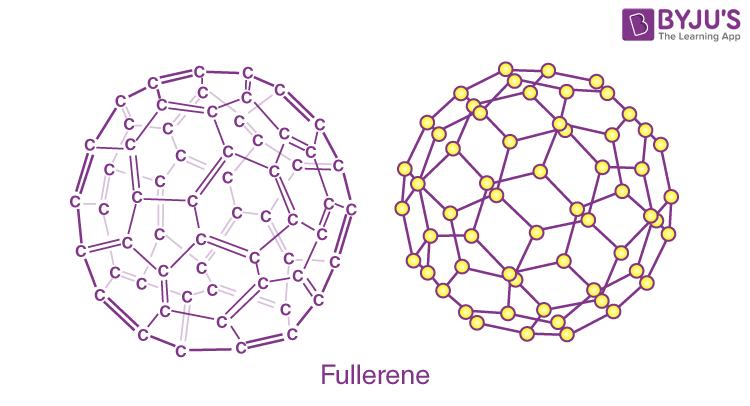
Definition and Overview of Fullerenes Fullerenes represent a broad class of carbon allotropes distinguished by their unique molecular structures. These carbon-based molecules are not only a captivating subject within contemporary chemistry but also hold significant promise for advancing nanotechnology. Among the various fullerenes, the spherical C60 molecule-commonly known as the “buckyball”-stands out as the most […]

Read More →