What are current research goals in atomic physics?

Definition of Atomic Physics Atomic physics is a specialized branch of physics dedicated to studying the fundamental components of atoms and the interactions among these particles. It focuses on understanding the structure, behavior, and properties of atoms, primarily through the lens of quantum mechanics. This field not only investigates the intrinsic characteristics of atoms but […]

Read More →

What does it take to rip molecules apart?

Definition of Molecular Dissociation Molecular dissociation refers to the process by which a molecule is broken down into smaller components, such as atoms, ions, or simpler molecules. This phenomenon involves overcoming the forces that maintain the molecule’s structural integrity, primarily the chemical bonds that connect its constituent atoms. Understanding molecular dissociation is fundamental to various […]

Read More →

What is the forbidden transition in quantum mechanics?

Definition of Forbidden Transitions in Quantum Mechanics In the field of quantum mechanics, forbidden transitions refer to changes between quantum energy states that are highly improbable or disallowed according to specific selection rules. These rules arise from fundamental physical laws and symmetries governing quantum systems. Forbidden transitions contrast with allowed transitions, which comply with these […]

Read More →

Are the elements the same as atoms?

Definition of Elements and Atoms In the fields of chemistry and physics, the concepts of “elements” and “atoms” are fundamental to understanding the composition of matter. Although these terms are sometimes used interchangeably in everyday language, they represent distinct ideas. Grasping the difference between elements and atoms is essential for a deeper comprehension of atomic […]

Read More →

Do molecules of each person differ?

Understanding Molecular Diversity Among Individuals The question of whether the molecular composition of each person is distinct invites a fascinating investigation into the intersection of biology, chemistry, and human individuality. While humans share approximately 99.9% of their DNA, this similarity masks a profound molecular complexity that differentiates one individual from another at a biochemical level. […]

Read More →

What is smaller than a molecule?

Understanding the Scale: What Lies Beneath a Molecule? The microscopic world has fascinated scientists and thinkers for centuries, prompting the question: what exists at scales smaller than a molecule? Exploring this realm reveals a complex hierarchy of particles and forces that form the foundation of all matter. This investigation not only deepens our grasp of […]

Read More →

How often does the atomic clock send a signal?

Definition of Atomic Clocks Atomic clocks are highly sophisticated devices designed to measure time with extraordinary precision. Unlike traditional mechanical or electronic clocks, atomic clocks rely on the natural oscillations of atoms to maintain an unparalleled level of accuracy. These instruments serve as the definitive standard for timekeeping worldwide, underpinning numerous technologies and scientific endeavors. […]

Read More →

Has anyone observed an individual atom?

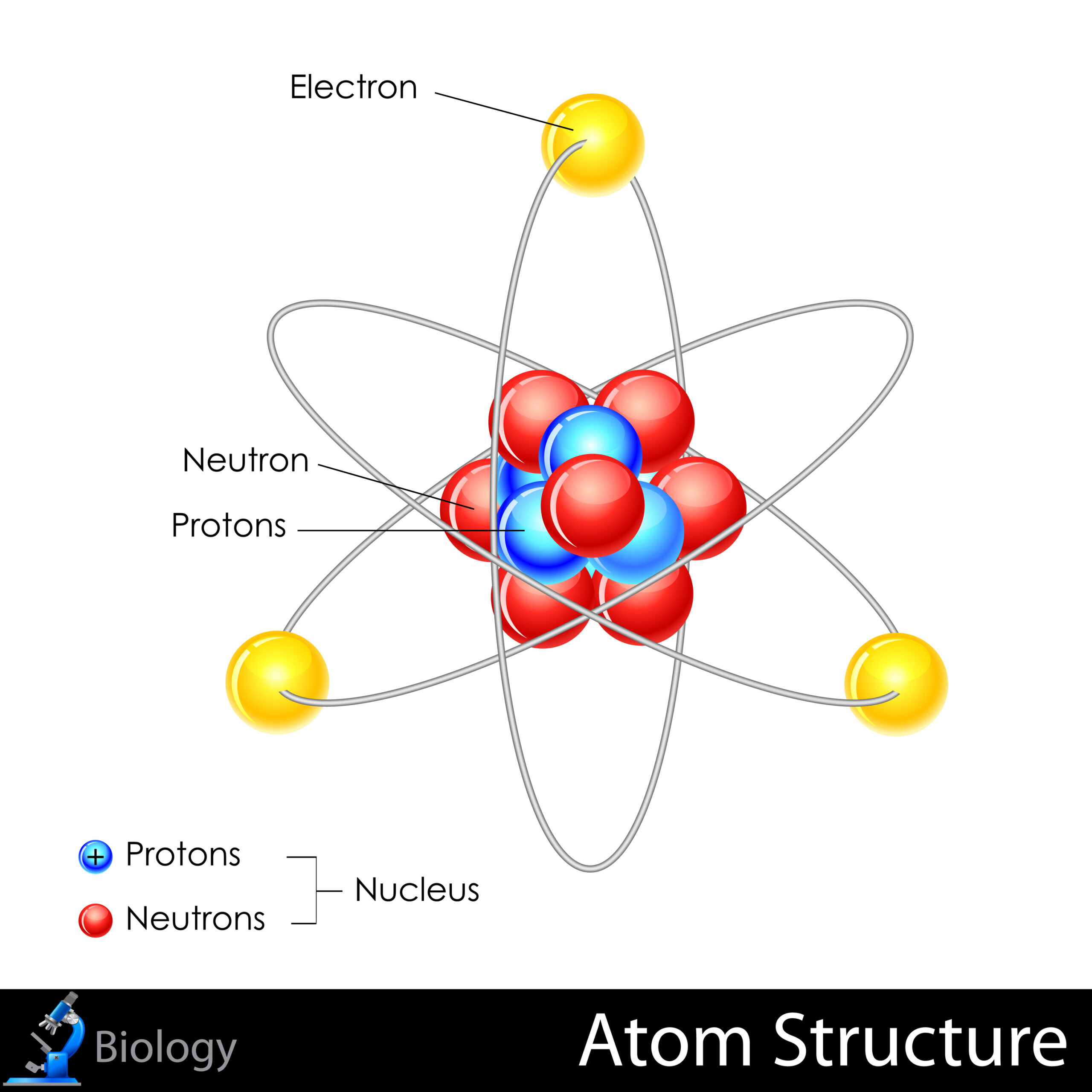
Definition of an Atom An atom is the fundamental unit of matter, representing the smallest constituent that retains the properties of an element. It consists of a nucleus made up of protons and neutrons, surrounded by electrons that orbit this central core. This structure can be likened to a miniature solar system, where electrons revolve […]


Read More →