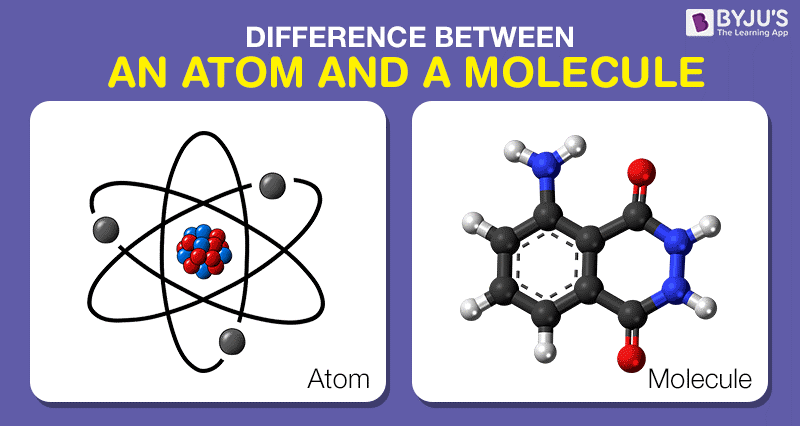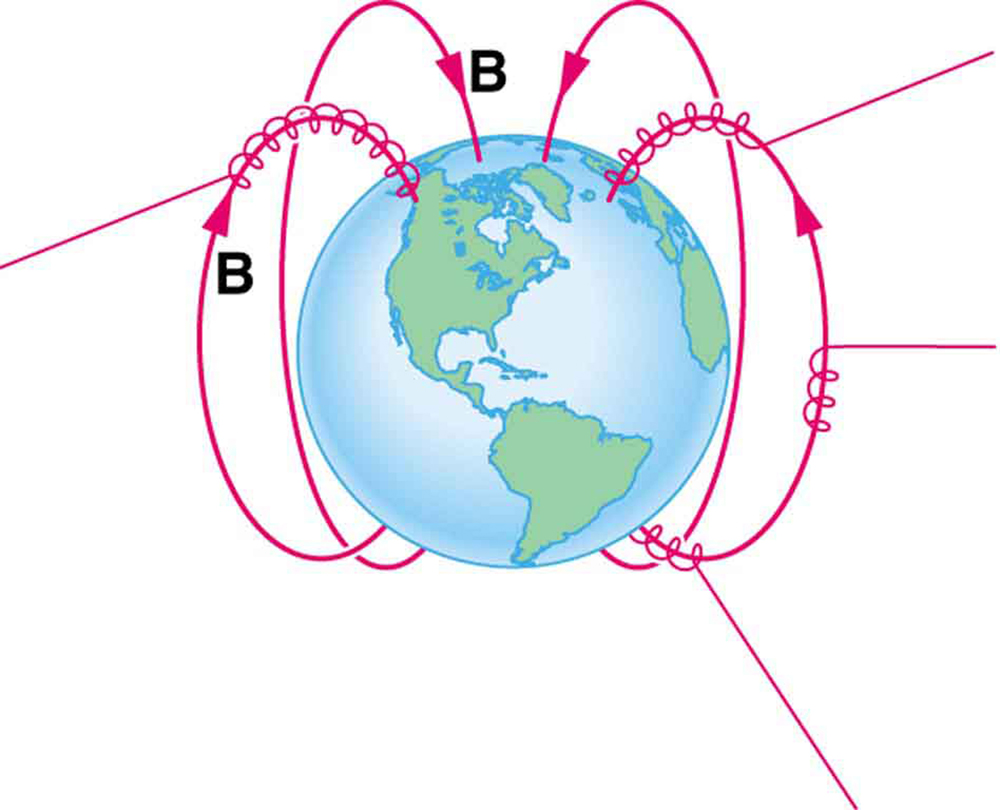
What is the difference between 2H and H2?

Definition of 2H and H2 The terms 2H and H2 represent distinct chemical entities that are often confused due to their association with hydrogen. Understanding their definitions is crucial for grasping their unique roles in chemistry and related sciences. H2 (Molecular Hydrogen): This is a diatomic molecule consisting of two hydrogen atoms bonded covalently. It […]

Read More →

What do the molecular orbitals of nicotine look like?

Definition of Nicotine and Its Molecular Orbitals Nicotine is a naturally occurring alkaloid predominantly extracted from the tobacco plant. It is renowned not only for its physiological impact on the human body but also for its intricate molecular structure. Central to understanding nicotine’s chemical behavior are its molecular orbitals-quantum mechanical regions where electrons are most […]

Read More →

What is the approximate molar mass of alkane?

Definition of Alkanes and Their Molar Mass Alkanes represent a fundamental class of hydrocarbons distinguished by their saturated carbon chains, meaning all carbon atoms are connected by single bonds. This saturation results in a variety of structural configurations and molecular sizes. Determining the molar mass of alkanes is crucial for understanding their chemical behavior, stoichiometric […]

Read More →

Is hydrogen always a terminal atom?

Definition of Hydrogen’s Position in Molecules Hydrogen, the most elementary and plentiful element in the cosmos, captivates scientists due to its distinctive chemical characteristics. Commonly, hydrogen is perceived as a terminal atom-meaning it is located at the end of a molecular chain, typically bonded covalently to heavier atoms. However, this generalization oversimplifies hydrogen’s diverse bonding […]

Read More →

Molecular Orbital Theory Explained: Bonding Beyond the Bohr Model

Definition of Molecular Orbital Theory Molecular Orbital Theory (MOT) represents a significant advancement in quantum chemistry, providing a comprehensive framework to understand the arrangement and behavior of electrons within atoms and molecules. Unlike earlier atomic models, MOT offers a more sophisticated explanation of chemical bonding by considering electrons as delocalized entities spread over entire molecules […]

Read More →

How can atoms have excess electrons or protons?

Definition of Excess Electrons and Protons in Atoms Atoms, the fundamental units of matter, can possess an imbalance in their subatomic particles, resulting in either an excess of electrons or protons. This imbalance leads to the formation of charged particles known as ions, which play crucial roles across various scientific disciplines. Understanding how atoms gain […]

Read More →

What determines the physical properties of an atom?

Definition of Atomic Physical Properties Atomic physical properties refer to the inherent characteristics of atoms that define their behavior, interactions, and identity. These properties arise from the composition and arrangement of subatomic particles-protons, neutrons, and electrons-and the forces acting between them. Understanding these properties is essential for grasping how matter behaves at the most fundamental […]

Read More →

How are chemical bonds broken?

Definition of Chemical Bond Breaking Chemical bond breaking refers to the process by which the forces holding atoms together within molecules or solids are overcome, resulting in the separation of atoms or ions. These bonds-ionic, covalent, and metallic-are essential for the structure and properties of matter. Understanding how these bonds dissociate is crucial for comprehending […]

Read More →

How does the small size of an H atom create an electric field?

Definition of the Hydrogen Atom The hydrogen atom stands as the most fundamental and lightweight atom in the universe, embodying the essential interactions of basic forces and the principles of quantum mechanics. Despite its straightforward composition, it plays a crucial role in illustrating the generation and influence of electric fields at the atomic level, thereby […]

Read More →

How did atomic molecules come together to create life?

Definition of Life’s Origin from Atomic Molecules The question of how life emerged from atomic and molecular components is a profound scientific inquiry that spans multiple disciplines, including physics, chemistry, and biology. Life’s origin is not simply a matter of atoms combining randomly; rather, it is a complex sequence of events that transforms inanimate matter […]

Read More →