Do molecules have definite shapes?

Understanding Molecular Shape The investigation of molecular structure is a fundamental aspect of molecular chemistry and physical sciences. The question, “Do molecules have definite shapes?” opens a complex discussion that spans basic principles, experimental evidence, and theoretical models. This article aims to clarify the concept of molecular geometry and the factors that influence it, providing […]

Read More →

What is the importance of atomic structures in chemistry?

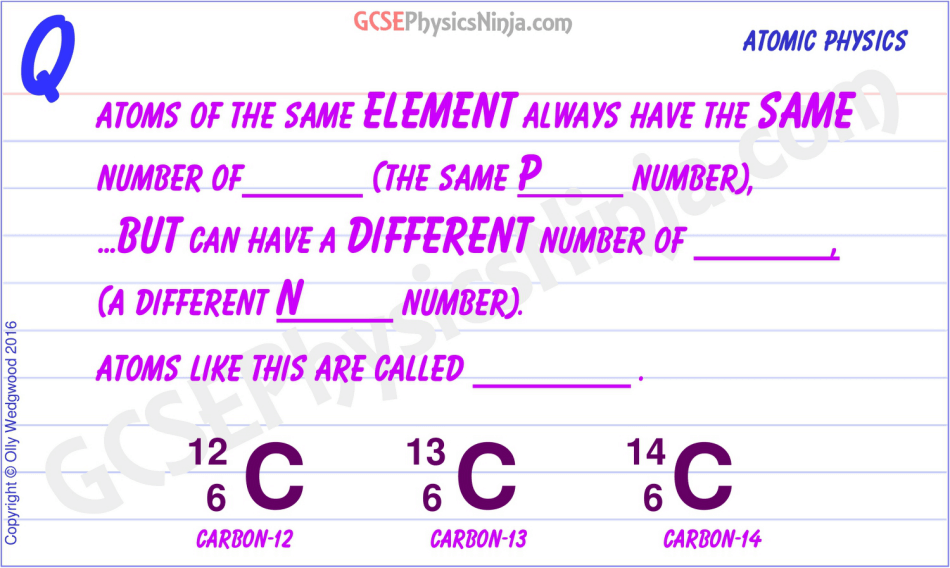
Definition of Atomic Structure Atomic structure refers to the arrangement and composition of the smallest unit of matter-an atom-that retains the chemical properties of an element. It encompasses the nucleus, containing protons and neutrons, and the surrounding electrons organized in specific energy levels or orbitals. This structure forms the cornerstone of chemistry and influences the […]

Read More →

Why is cooling required in a ruby laser?

Definition of Ruby Laser and Its Cooling Requirements The ruby laser is a foundational device in the field of optoelectronics, known for its distinctive deep red laser emission. It operates using a solid-state ruby crystal, which is aluminum oxide doped with chromium ions. These chromium ions are responsible for the laser’s characteristic color and its […]

Read More →

Can radiation in the microwave break atoms and molecules?

Understanding Microwave Radiation Microwave radiation is a fundamental component of contemporary technology and daily life, yet its intrinsic characteristics prompt intriguing questions within physics. Investigating whether microwaves have the capacity to disrupt atomic or molecular structures leads us into a detailed examination of atomic architecture, molecular bonds, and the interaction between electromagnetic waves and matter. […]

Read More →

Why do atoms share two electrons with each other?

Definition of Covalent Bonding Covalent bonding is a fundamental chemical interaction where atoms connect by sharing pairs of electrons. This electron-sharing mechanism enables the formation of molecules, which are essential to the complexity and diversity of matter, including all living organisms. Unlike ionic bonds, which involve the transfer of electrons, covalent bonds involve mutual electron […]

Read More →

Do I need a molecular model kit for organic chemistry?

Definition of Molecular Model Kits in Organic Chemistry Molecular model kits are educational tools designed to help visualize and understand the three-dimensional structures of molecules, particularly those containing carbon atoms. These kits typically include colored spheres representing different atoms-such as carbon, oxygen, and nitrogen-and connectors like sticks or springs that symbolize various types of chemical […]

Read More →

How are atomic/radio controlled wrist watches made?

Definition of Atomic or Radio-Controlled Wristwatches Atomic or radio-controlled wristwatches are advanced timekeeping devices that combine precision engineering with modern communication technologies. Unlike traditional watches, these timepieces synchronize their timekeeping with atomic clocks via radio signals, delivering exceptional accuracy. This synchronization ensures that the watch maintains precise time by regularly updating itself according to the […]

Read More →

How did the first molecules come to be from evolution?

Definition of the First Molecules The emergence of the first molecules marks a crucial chapter in the cosmic narrative, representing the initial step from simple atomic particles to the complex chemical structures that underpin life. These primordial molecules formed through natural processes in the early universe, setting the stage for biological evolution and the development […]

Read More →

How can I calculate the mass of a hydrogen molecule?

Definition of Hydrogen Molecule Mass The mass of a hydrogen molecule, commonly referred to as diatomic hydrogen (H2), represents the combined mass of two hydrogen atoms bonded together. This fundamental measurement is essential in molecular chemistry, providing insight into atomic interactions and the composition of matter at a microscopic scale. Understanding this mass requires integrating […]

Read More →

What’s the easiest way to describe the structure of an atom?

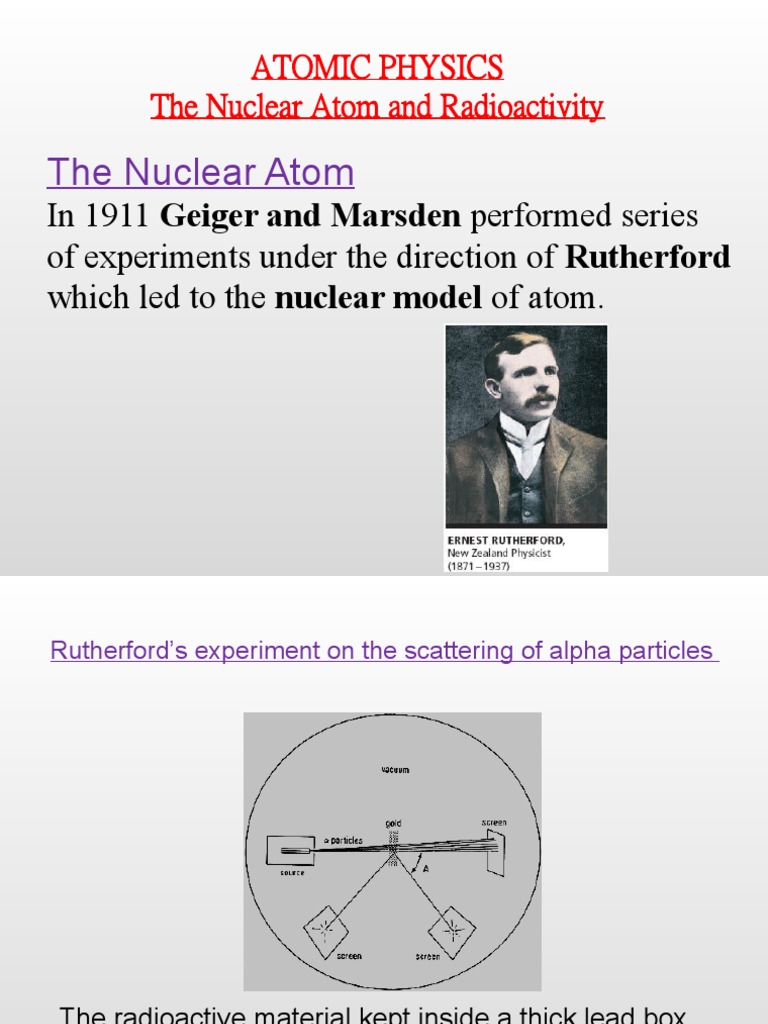
Definition of Atomic Structure The atom is the fundamental unit of matter, representing the smallest constituent that retains the properties of an element. Despite its minuscule size, the atom exhibits a complex internal architecture composed of subatomic particles. Understanding this structure is essential for grasping the principles of chemistry and physics. Atom: The basic building […]
Read More →