What is the effect of electromagnetic radiation on molecules?

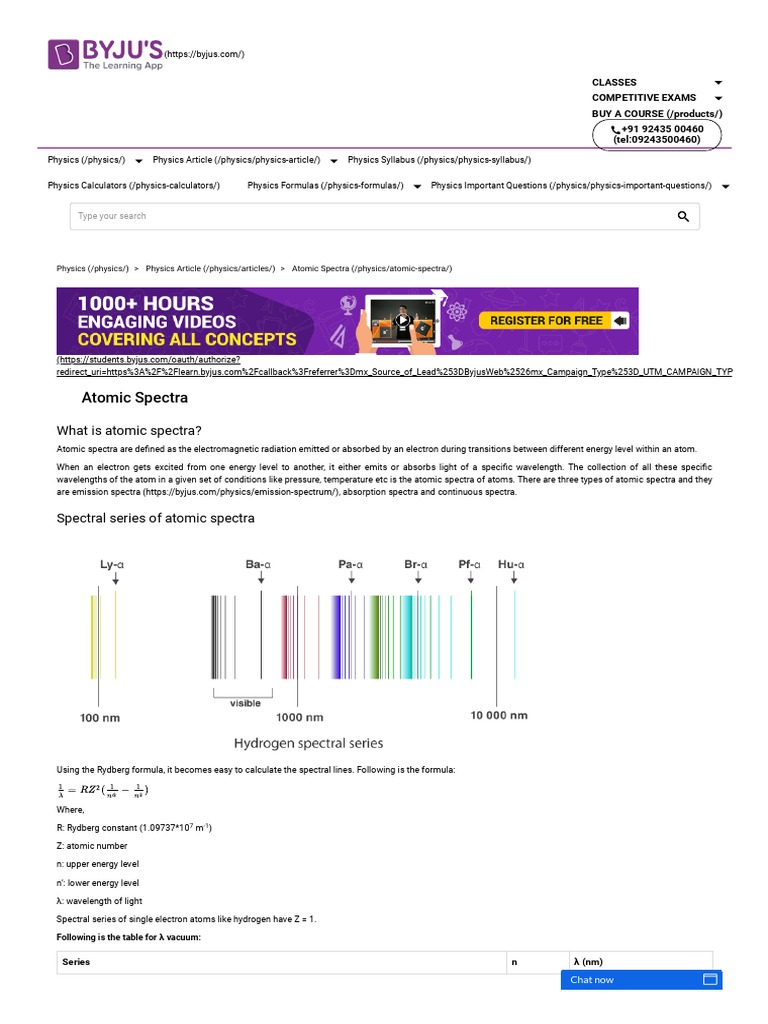
Definition of Electromagnetic Radiation and Its Molecular Significance Electromagnetic radiation is a pervasive phenomenon throughout the universe, encompassing a broad range of energy waves that include radio waves, microwaves, infrared, visible light, ultraviolet, X-rays, and gamma rays. Each type of wave exhibits distinct characteristics and interacts with matter in unique ways. At the molecular level, […]

Read More →

Is chemistry really just applied physics? How?

Definition and Scope of Physics and Chemistry Physics and chemistry are two cornerstone disciplines within the natural sciences, each with distinct yet interconnected areas of focus. Physics primarily investigates the fundamental forces and intrinsic properties of matter, aiming to uncover the universal laws that govern the cosmos. Chemistry, on the other hand, centers on the […]

Read More →

What should I major in if I love studying atoms?

Understanding the Study of Atoms The fascination with atoms serves as a gateway to numerous scientific disciplines that explore the fundamental components of matter and energy. Atoms are the basic units of matter, and their study provides critical insights into the microscopic world that underpins all physical phenomena. This article outlines various academic majors that […]

Read More →

What is 7th state of matter?

Definition of States of Matter Matter is traditionally categorized into distinct states based on its physical properties, primarily influenced by temperature and pressure. The classical states include solid, liquid, gas, and plasma, each defined by the arrangement and energy of their constituent atoms or molecules. Beyond these familiar forms, advanced physics recognizes additional exotic states […]

Read More →

Can we change the vibration of an atom?

Understanding Atomic Vibrations Atomic vibrations refer to the oscillatory movements occurring within atoms, encompassing both the motion of electrons in their energy levels and the oscillations of atomic nuclei. These vibrations are fundamental to the behavior of matter, influencing chemical reactions and physical properties. At the quantum level, these oscillations are quantized, meaning they exist […]

Read More →

How do scientists analyze molecules?

Definition of Molecular Analysis Molecular analysis refers to the array of scientific techniques used to investigate the structure, behavior, and interactions of molecules. This field is essential for advancing knowledge in chemistry, biology, and materials science by providing detailed information about molecular composition and dynamics. Researchers employ various sophisticated methods to explore the microscopic world, […]

Read More →

Is gold a molecule or an atom?

Definition of Gold and Its Atomic Nature Gold is a chemical element symbolized as Au, with an atomic number of 79. It belongs to the category of metals on the periodic table and has fascinated humanity for thousands of years due to its rarity and unique properties. To clarify whether gold is an atom or […]

Read More →

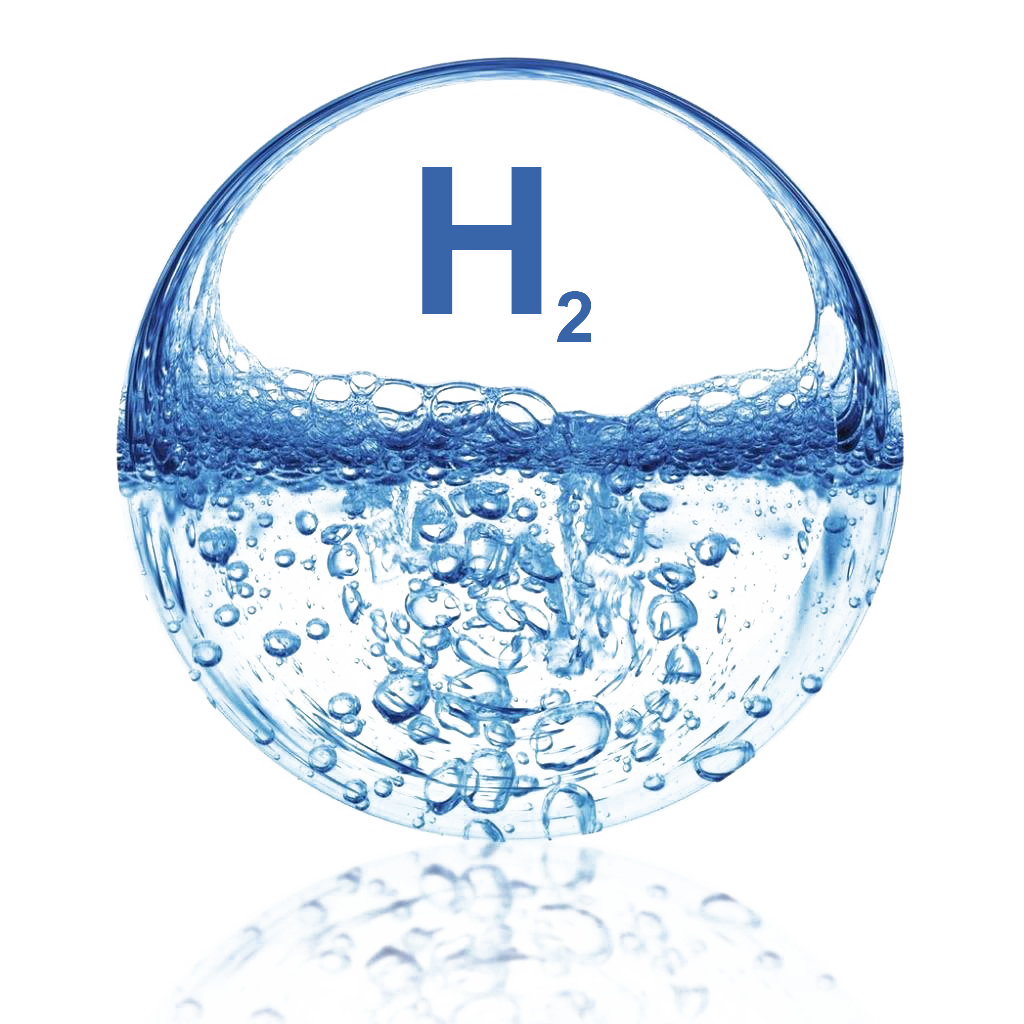
Why is it so difficult for hydrogen atoms to combine?

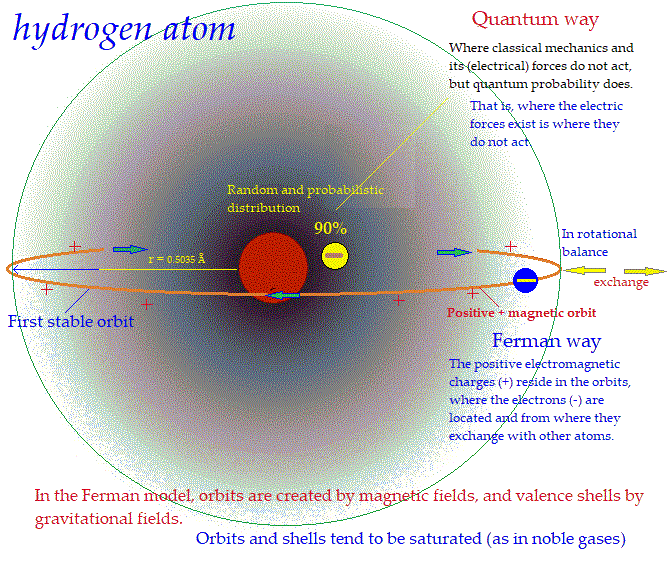
Definition of Hydrogen and Its Atomic Characteristics Hydrogen is the most fundamental and plentiful element in the cosmos, composed of a single proton as its nucleus and one orbiting electron. Despite its simplicity and abundance, the process by which hydrogen atoms unite-either forming molecular hydrogen (H2) or bonding with other elements-presents significant scientific challenges. These […]

Read More →