How to know which atom is the basic centre in a molecule?

Definition of the Central Atom in Molecules The central atom in a molecule serves as the primary anchor point around which other atoms are arranged, forming the core framework of the molecular structure. Identifying this atom is essential for comprehending the molecule’s chemical properties, bonding patterns, and reactivity. The central atom typically connects multiple atoms, […]

Read More →

Is water a compound or a molecule?

Definition of Water as a Chemical Substance Water is an omnipresent liquid essential to all known life forms, often regarded as a simple substance. However, its molecular composition and chemical behavior reveal a far more intricate nature. To understand water’s classification, it is important to distinguish between the concepts of a molecule and a compound […]

Read More →

Is hydrogen in water diatomic?

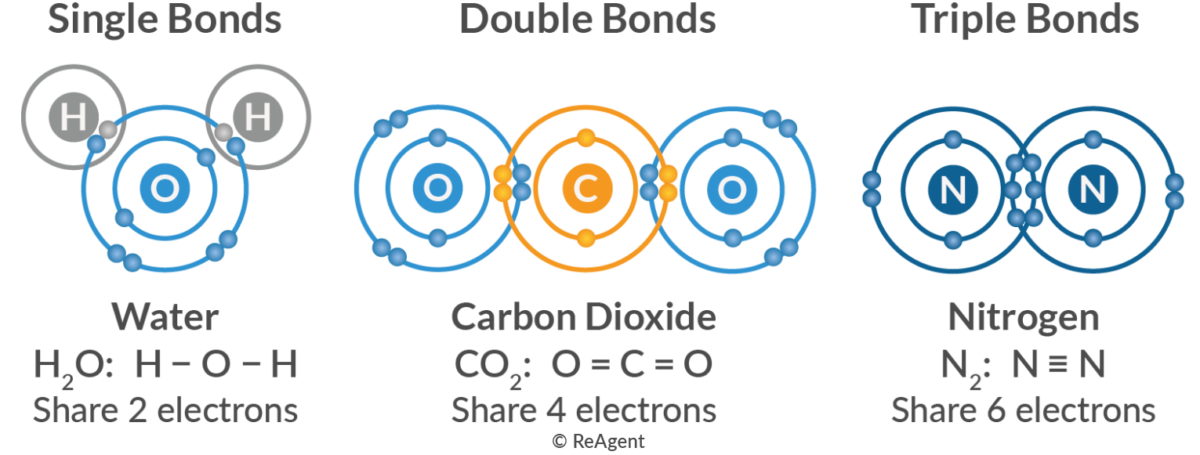
Definition of Hydrogen in Water Understanding whether hydrogen in water exists as a diatomic molecule requires a clear grasp of water’s molecular structure and the inherent properties of hydrogen. Water, with the chemical formula H2O, is composed of two hydrogen atoms each covalently bonded to a single oxygen atom. Importantly, the hydrogen atoms in water […]

Read More →

What are some types of molecular imaging?

Definition of Molecular Imaging Molecular imaging is a cutting-edge technique in biomedical science and clinical medicine that enables the visualization, characterization, and measurement of biological processes at the molecular and cellular levels within living organisms. Unlike traditional imaging methods that primarily depict anatomical structures, molecular imaging focuses on the dynamic biochemical activities underlying health and […]

Read More →

What is the lifespan of a hydrogen atom?

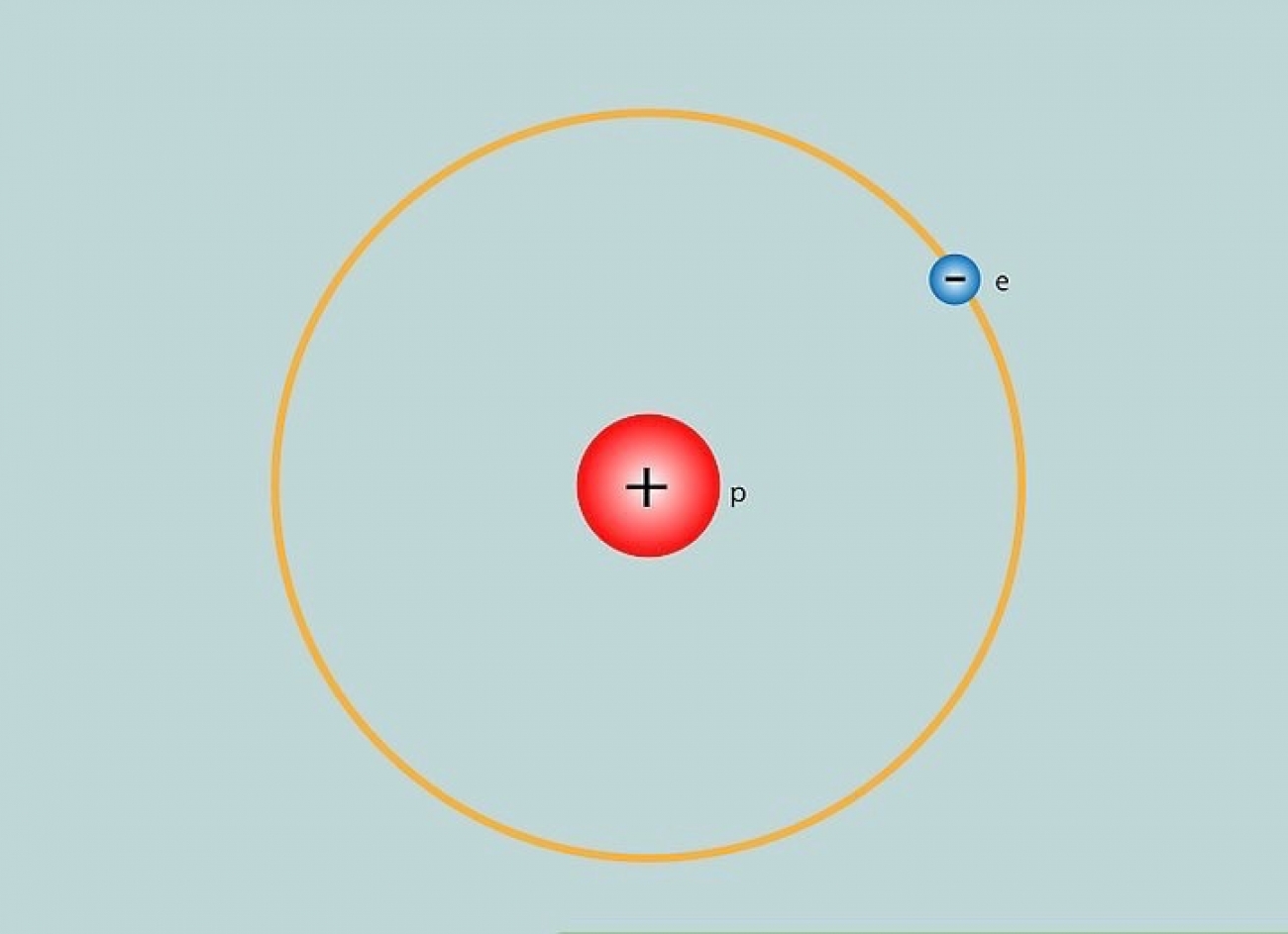
Definition of the Hydrogen Atom The hydrogen atom is the simplest and most fundamental element in the universe, consisting of a single proton orbited by one electron. It holds a pivotal role in both physics and chemistry as a model for atomic structure and behavior. Understanding the lifespan of a hydrogen atom involves examining its […]

Read More →

Why do atoms form compounds?

Definition of Atomic Compound Formation Atoms combine to form compounds as a fundamental process driven by their intrinsic desire to reach a more stable, lower-energy state. This phenomenon arises from the interactions between atomic particles, primarily electrons, which govern how atoms connect and create the vast array of substances observed in nature. Atomic Structure and […]

Read More →

What (at the atomic level) makes sticky things sticky?

Definition of Stickiness and Adhesion Stickiness is a fascinating phenomenon encountered daily, characterized by the tendency of materials to cling or adhere to one another. Fundamentally, this property stems from adhesion-the molecular attraction that causes two different surfaces to bond. This interaction is governed by a variety of intermolecular forces and surface properties, which together […]

Read More →

What is the difference between molecules and elements?

Definition of Elements and Molecules In chemistry, understanding the basic units of matter is essential. Two primary categories are elements and molecules, which, although sometimes confused, represent fundamentally different concepts within the scientific domain. Element: A pure substance that cannot be broken down into simpler substances by chemical reactions. Each element is defined by a […]

Read More →