Why is condensed matter physics interesting?

Definition of Condensed Matter Physics Condensed matter physics is a dynamic and multifaceted branch of physics that investigates the properties and behaviors of matter in its solid and liquid states. It focuses on how atoms and molecules aggregate to form complex structures, revealing a wide spectrum of physical phenomena. This field integrates principles from quantum […]

Read More →

What electrons are responsible for the properties of an atom?

Understanding Electrons in Atomic Structure Electrons play a fundamental yet often misunderstood role in the architecture of atoms, acting as dynamic participants that shape the nature of matter. Much like performers on a stage, electrons influence the behavior and characteristics of atoms, determining how they interact and bond with one another. To grasp which electrons […]

Read More →

How do similar atoms form molecules?

Definition of Molecular Formation Among Similar Atoms Molecular formation involving atoms of the same element is a fundamental concept in chemistry that explains how identical atoms bond to create molecules. This process is governed by the interactions of atomic structures and the principles underlying chemical bonding. At its essence, it involves the behavior of electrons […]

Read More →

How does a vibrating atom produce EM waves?

Definition of Electromagnetic Wave Generation by Vibrating Atoms Electromagnetic (EM) waves arise from the dynamic behavior of atoms, particularly through the oscillations of their charged constituents. This phenomenon involves the interaction of electrons within atoms as they absorb and release energy, resulting in the emission of electromagnetic radiation. Understanding this process requires a detailed look […]

Read More →

As of December 2017 what is the current model of the atom?

Definition of the Quantum Mechanical Model The quantum mechanical model is the contemporary framework for understanding atomic structure, representing a significant advancement beyond classical atomic theories. It integrates the dual nature of particles and waves, embraces probabilistic interpretations, and accounts for the complex interactions within atoms. This model provides a comprehensive depiction of atomic behavior […]

Read More →

What is Quantum Information Processing?

Definition of Quantum Information Processing Quantum Information Processing (QIP) is an interdisciplinary field that merges the principles of quantum mechanics with the methodologies of information science. Unlike classical information processing, which relies on binary bits representing either 0 or 1, QIP utilizes quantum bits, or qubits, that can exist in multiple states simultaneously. This fundamental […]

Read More →

What causes atoms to form molecules?

Definition of Atomic Bonding Atoms serve as the essential units of matter, and their tendency to combine into molecules forms a fundamental principle in both chemistry and physics. This phenomenon explains why atoms rarely exist in isolation and instead prefer to associate with one another, creating the diverse substances that compose the universe. Understanding why […]

Read More →

Why does the 5th state of matter matter?

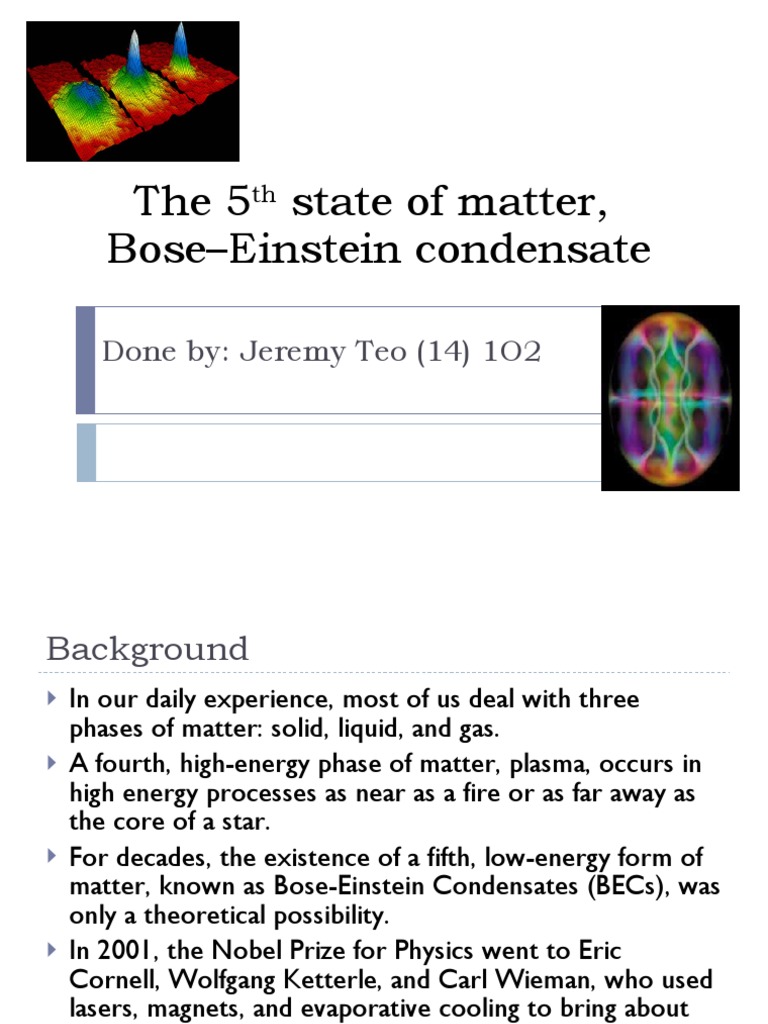
Definition of the Fifth State of Matter Beyond the classical states of matter-solid, liquid, gas, and plasma-scientists have identified a fifth state known as the Bose-Einstein condensate (BEC). This state emerges under extreme conditions where particles behave collectively in ways that defy traditional physical laws. BEC represents a unique phase of matter formed when a […]

Read More →

How does a knife cut on a molecular level?

Definition of Cutting with a Knife Cutting with a knife is a seemingly straightforward action that involves a complex interplay of physical forces and molecular interactions. This process entails the knife’s sharp edge applying force to a material, causing it to separate into parts. The phenomenon combines principles from physics, chemistry, and material science, revealing […]

Read More →