
Short Answer
Definition and Overview of Obsidian and Steel
Obsidian is a naturally formed volcanic glass known for its distinctive sharpness and aesthetic appeal, captivating both craftsmen and researchers for centuries. Steel, on the other hand, is a widely used alloy primarily composed of iron and carbon, renowned for its strength and versatility. This article delves into the comparative sharpness of obsidian and steel, exploring their material properties, cutting mechanisms, practical uses, and scientific significance.
Material Composition and Structural Characteristics
Understanding the sharpness differences between obsidian and steel requires examining their intrinsic compositions and structures:
- Obsidian:
Predominantly made of silica (SiO2), obsidian lacks a crystalline lattice, resulting in an amorphous, glass-like structure. This non-crystalline nature allows it to fracture with a smooth, curved surface known as conchoidal fracture, producing extremely fine edges. - Steel:
An alloy mainly consisting of iron combined with carbon and other elements, steel exhibits a crystalline microstructure. This crystalline arrangement imparts strength and flexibility but limits the fineness of the cutting edge achievable.
Mechanisms Behind Sharpness
The sharpness of a blade depends largely on the geometry of its edge and the material’s capacity to form and maintain a fine cutting surface:
- Obsidian’s Edge Formation:
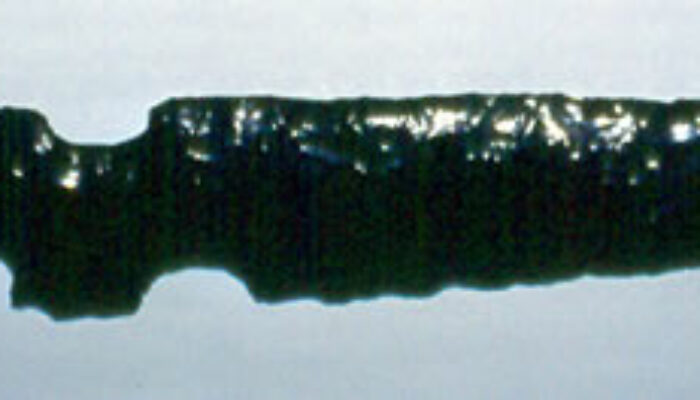
When fractured, obsidian produces edges that can be only a few nanometers thick. Its conchoidal fracture pattern creates an exceptionally acute apex, enabling it to slice through materials with minimal resistance. - Steel’s Edge Characteristics:
Steel blades are sharpened by grinding and honing, but this process often leaves microscopic burrs and serrations. These imperfections increase friction and reduce cutting efficiency compared to obsidian’s smoother edge.
Scientific Evaluation of Sharpness
Sharpness can be quantitatively assessed through standardized cutting tests. Research indicates that obsidian blades outperform steel counterparts in slicing soft, fibrous materials, requiring fewer strokes to achieve comparable cuts. This superior performance is attributed to obsidian’s ability to maintain an ultra-fine edge due to its brittle, non-ductile nature, which prevents edge deformation common in steel blades.
Historical and Modern Applications
Obsidian’s sharpness has been harnessed across various eras and fields:
- Ancient Uses:
Prehistoric societies crafted obsidian into hunting tools, arrowheads, and ceremonial artifacts, capitalizing on its sharpness and availability. - Contemporary Medical Use:
Modern surgeons have revisited obsidian scalpels for their ability to make precise incisions with minimal tissue trauma, leading to faster healing and reduced scarring. - Anthropological Significance:
The study of obsidian tools provides valuable insights into early human technology, trade, and cultural practices.
Limitations and Practical Challenges
Despite its remarkable sharpness, obsidian has inherent drawbacks that restrict its broader application:
- Brittleness:
Obsidian is prone to chipping and fracturing under lateral stress, making it fragile compared to the durable and resilient steel. - Durability:
Steel’s toughness allows it to withstand heavy use in industrial, culinary, and other demanding environments, where obsidian’s fragility would be a liability. - Handling Requirements:
The delicate nature of obsidian tools necessitates careful use and storage to prevent damage.
Future Prospects and Technological Innovations
Ongoing research aims to enhance the utility of obsidian by addressing its limitations. Efforts include developing synthetic materials that mimic obsidian’s sharpness while improving toughness, as well as refining manufacturing techniques for obsidian blades used in minimally invasive surgeries. These advancements could bridge the gap between the exceptional sharpness of obsidian and the durability of steel, leading to novel cutting instruments.
Common Misconceptions About Obsidian and Steel Sharpness
Steel blades are always sharper than obsidian.
Obsidian can achieve edges much finer than steel due to its glass-like fracture properties, often resulting in sharper blades.
Obsidian is too fragile to be useful.
While brittle, obsidian’s sharpness makes it invaluable in specific applications such as surgery, where precision outweighs durability.
Significance in Science, Technology, and Daily Life
The exceptional sharpness of obsidian has profound implications across multiple domains. In medicine, it offers the potential for less invasive surgical tools that promote quicker recovery. Archaeologically, obsidian artifacts provide a window into human history and technological evolution. Technologically, the pursuit of materials that combine obsidian’s sharpness with steel’s toughness could revolutionize cutting tools, impacting industries from manufacturing to culinary arts.
Summary
Obsidian’s unique material properties enable it to form edges sharper than those of steel, making it a material of great interest for both historical and modern applications. Although steel remains dominant due to its strength and durability, obsidian’s unparalleled sharpness continues to inspire scientific research and practical innovation. As advancements in material science progress, the integration of obsidian-like sharpness with enhanced toughness may redefine the future of cutting technology.
FAQ
Why is obsidian sharper than steel?
Obsidian has a glass-like structure that allows it to form edges much finer than those achievable with steel, making it sharper.
What are the practical applications of obsidian?
Obsidian is used in modern surgical tools for its precision and minimal tissue damage, as well as in archaeological studies.






Leave a Reply