What are the characteristics of a crystal?

Definition of Crystals Crystals are solid materials distinguished by their orderly and repeating atomic or molecular arrangements. Unlike amorphous solids, which lack long-range order, crystals possess a highly organized internal structure known as a periodic lattice. This lattice is composed of unit cells-fundamental building blocks whose dimensions and symmetry define the crystal’s unique physical and […]

Read More →

How do we know that atoms don’t have a brain of their own?

Understanding Atomic Consciousness: A Scientific Inquiry The question of whether atoms possess consciousness or the ability to think independently, similar to living beings, has intrigued both scientists and philosophers. While the idea might evoke fanciful images of sentient particles, a detailed scientific analysis rooted in atomic structure and quantum physics strongly refutes the possibility of […]

Read More →

Why are atoms and molecules always in motion?

Definition of Atomic and Molecular Motion Atomic and molecular motion refers to the continuous movement of atoms and molecules, which forms a fundamental aspect of physical science. This ceaseless activity occurs at scales far beyond human perception, involving particles that are in constant vibration, rotation, and translation. Understanding this motion provides insight into the microscopic […]

Read More →

What makes a molecule magnetic?

Understanding Molecular Magnetism Magnetism is commonly linked to bulk ferromagnetic substances like iron, cobalt, and nickel. However, the scope of magnetism extends well beyond these traditional materials, encompassing the fascinating domain of molecular magnets. But what exactly imparts magnetic properties to a molecule? Investigating this question unveils the fundamental principles and mechanisms that govern magnetism […]

Read More →

What Is Quantum Chemistry? When Schrödinger Meets the Molecule

Definition of Quantum Chemistry Quantum chemistry is a scientific discipline that merges the principles of classical chemistry with the laws of quantum mechanics to provide a deeper understanding of molecular and atomic behavior. It explores the fundamental interactions between electrons and nuclei, revealing the quantum nature of chemical phenomena that classical theories cannot fully explain. […]

Read More →

How do atoms stick together to form molecules?

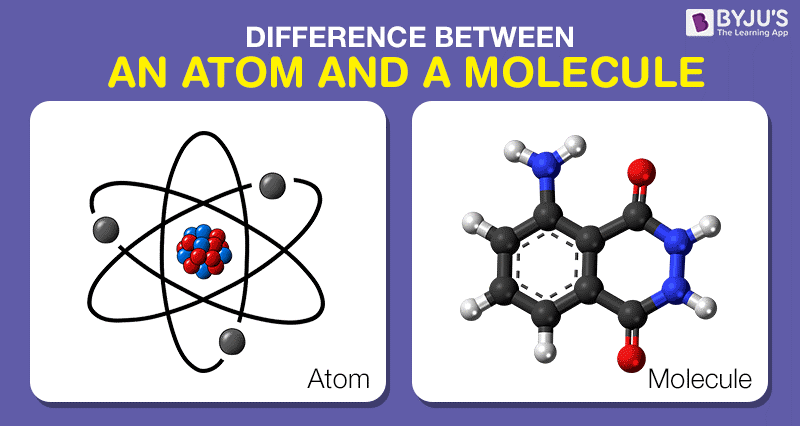
Definition of Atomic Bonding Atomic bonding refers to the process by which atoms connect to form molecules, the essential units of matter that compose the substances around us. This phenomenon is a cornerstone of chemistry and illustrates the fundamental forces that govern natural interactions. Through bonding, atoms achieve more stable arrangements, enabling the vast diversity […]
Read More →

What is different between molecule element and atom?

Definition of Atoms, Elements, and Molecules Understanding the fundamental constituents of matter is essential for grasping the principles of chemistry and related sciences. Atoms, elements, and molecules are the core units that compose all substances in the universe, each with distinct characteristics and roles. Atom: The smallest unit of matter that retains the properties of […]

Read More →

What is the introductory state of matter in chemistry?

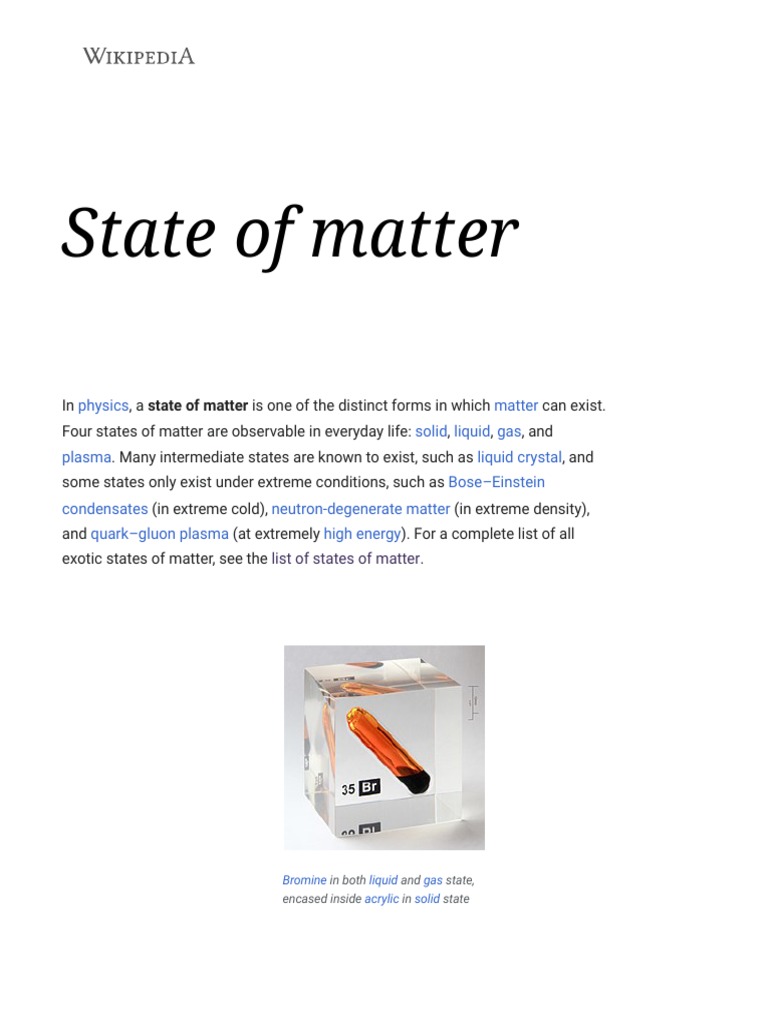
Definition of Matter and Its States Matter, a fundamental concept in chemistry, refers to any substance that occupies space and has mass. The study of matter involves understanding its various states, each distinguished by unique physical properties and behaviors. Traditionally, matter is classified into four primary states: solid, liquid, gas, and plasma. These states form […]

Read More →

Are quantum effects due to finite precision of the universe?

Understanding Quantum Effects and Finite Precision The relationship between quantum mechanics and our comprehension of the cosmos presents a profound enigma, reminiscent of a cosmic symphony where each element is imbued with the peculiarities of uncertainty. The hypothesis that quantum phenomena might stem from the universe’s inherent finite precision carries significant consequences across physics, metaphysics, […]

Read More →

What is atomic hydrogen?

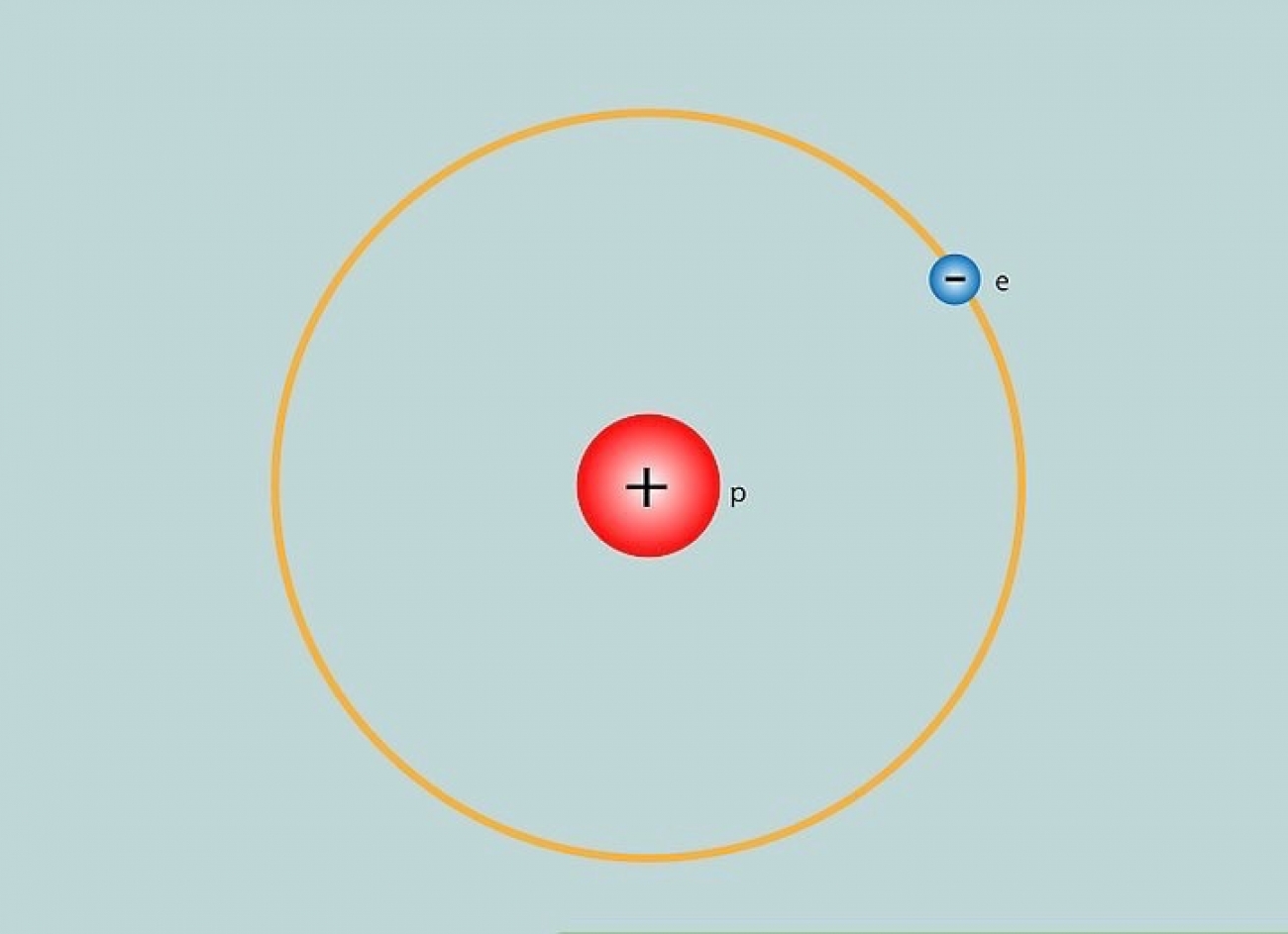
Definition of Atomic Hydrogen Atomic hydrogen is the simplest atom in the universe, composed of just one proton and one electron. It represents the most fundamental element on the periodic table, with an atomic number of one. Despite its apparent simplicity, atomic hydrogen holds immense significance in both physics and chemistry, serving as a cornerstone […]

Read More →