Can We Ever Test Gravity at the Quantum Level?

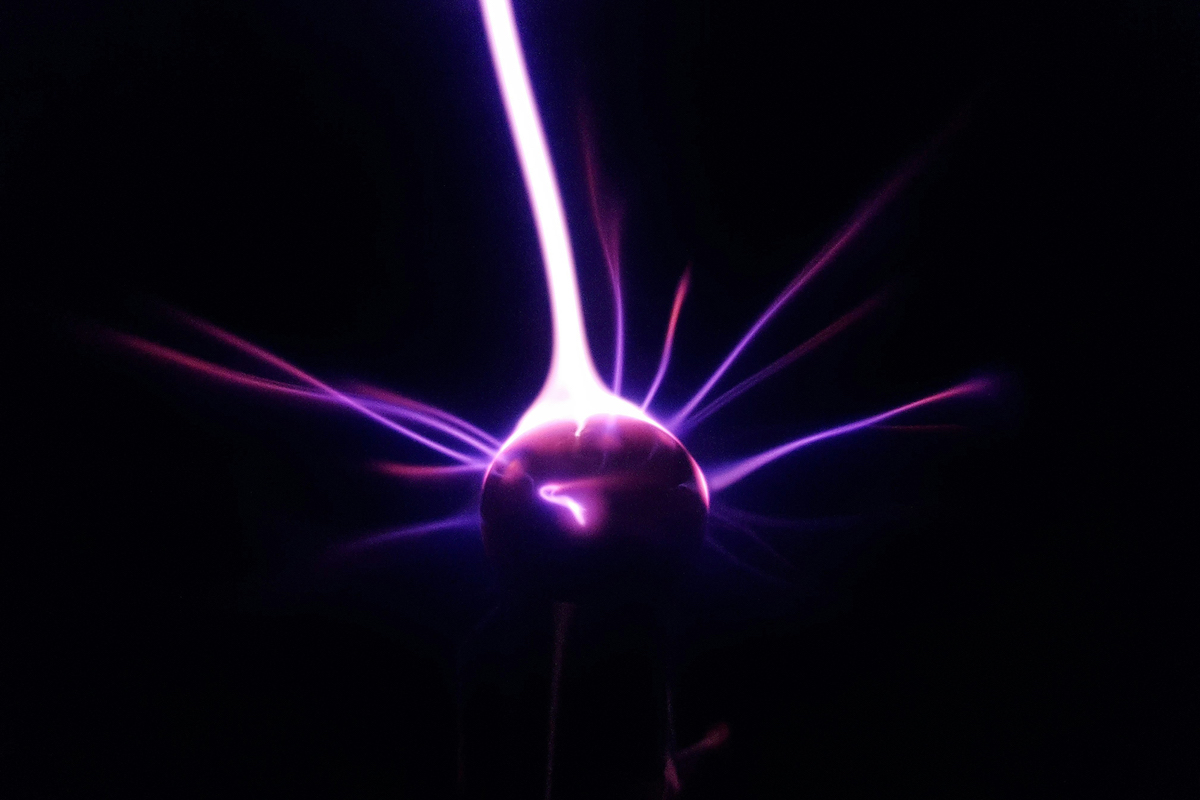
Understanding Quantum Gravity The question of whether gravity can be examined at the quantum scale delves into one of the most profound frontiers in contemporary physics. Gravity, one of the four fundamental forces shaping our universe, remains enigmatic when scrutinized at the smallest scales. Unlike electromagnetism and the nuclear forces, which have been extensively studied […]

Read More →

Is Cosmology Facing a Crisis Right Now?

Definition of Cosmology Cosmology is the scientific discipline dedicated to investigating the universe’s origin, its ongoing development, and its ultimate destiny. It encompasses the study of large-scale structures, cosmic phenomena, and the fundamental forces shaping the cosmos. This field integrates observational data and theoretical models to construct a comprehensive narrative of the universe’s past, present, […]

Read More →

Is Gravity Just Acceleration? Einstein Explained

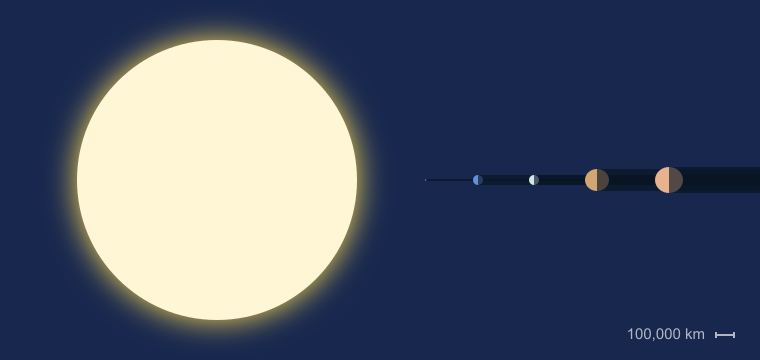
Definition of Gravity and Acceleration Equivalence The equivalence between gravity and acceleration is a foundational concept in modern physics, asserting that the effects experienced due to gravitational forces are locally indistinguishable from those caused by uniform acceleration. This principle, central to Albert Einstein’s General Relativity, redefines gravity not as a conventional force but as a […]

Read More →

What If Space Had Earth-Like Gravity Everywhere?

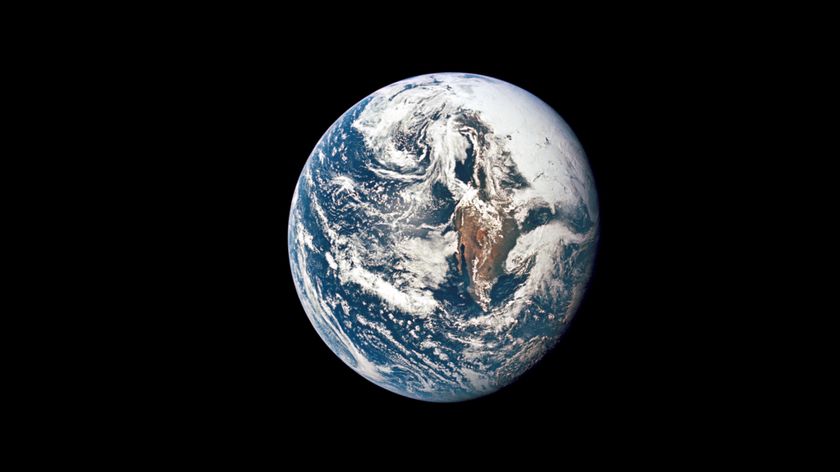
Understanding Gravity in a Cosmic Context Gravity is the fundamental force that anchors all matter to Earth, exerting a constant pull of approximately 9.8 meters per second squared. It governs the movement of oceans, atmospheric patterns, and tectonic shifts, while also shaping the evolution of life by providing a stable environment for biological adaptation. However, […]

Read More →

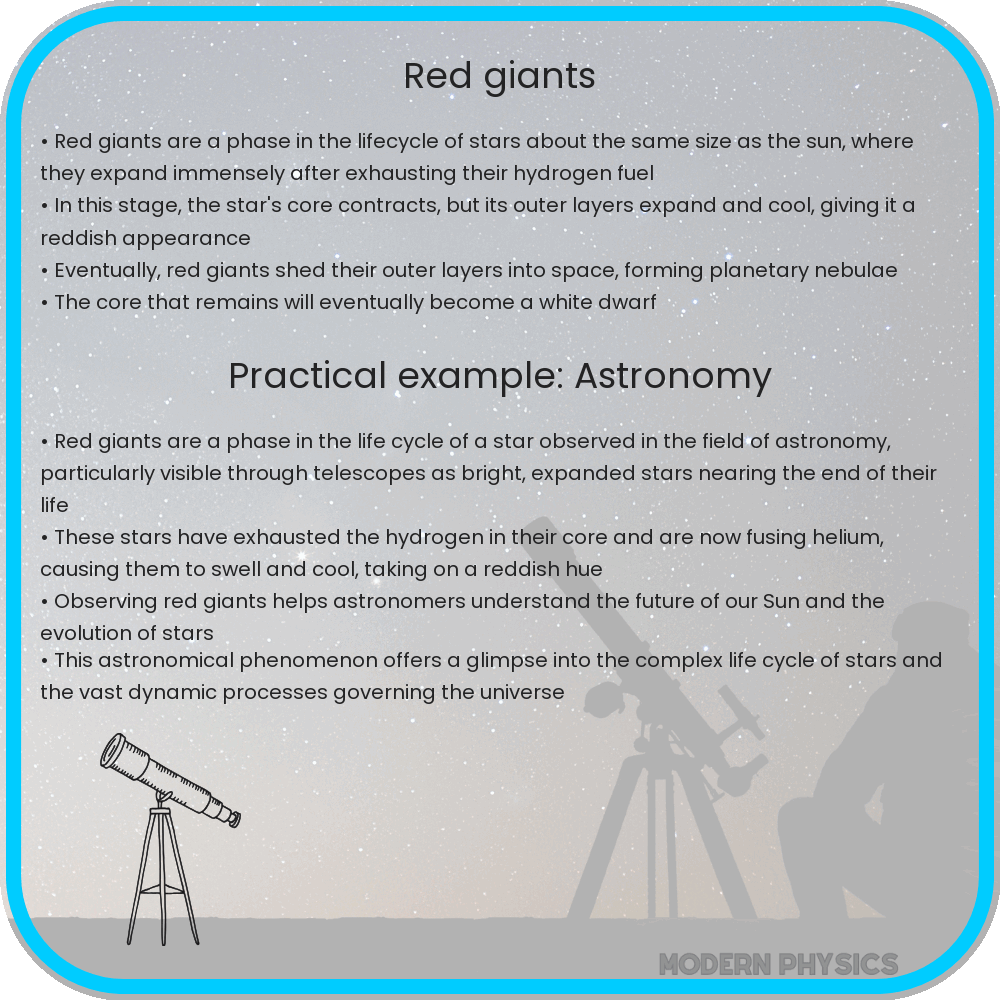
How Long Do Stars Like Red Giants Actually Live?

Definition of Red Giants Red giants are a class of evolved stars distinguished by their enormous size, reddish coloration, and advanced stage in stellar evolution. These stars have exhausted the hydrogen fuel in their cores and have expanded significantly, resulting in cooler surface temperatures that give them their characteristic red appearance. Red giants represent a […]

Read More →

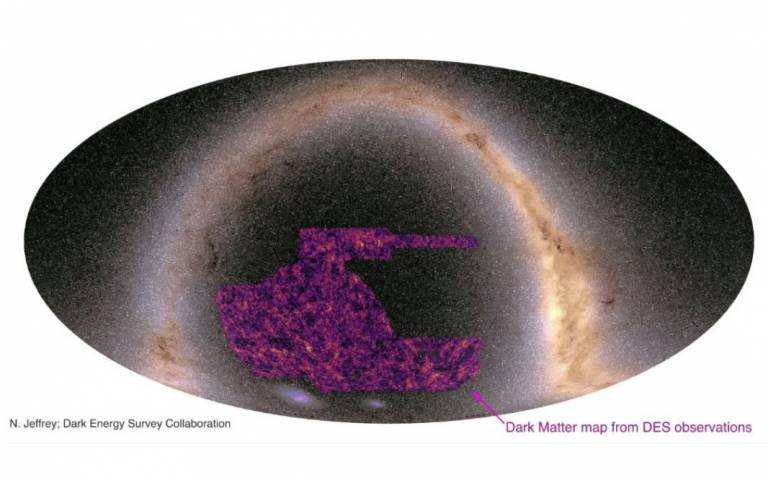
How Scientists Map Dark Matter Using 100 Million Galaxies

Understanding Dark Matter Dark matter is a mysterious and invisible component of the universe that neither emits nor absorbs light, making it undetectable by traditional telescopes. Despite its invisibility, it exerts a significant gravitational pull on visible matter, influencing the structure and evolution of the cosmos. Scientists infer its existence primarily through its gravitational effects, […]

Read More →