Backreaction: How Science Blogs Changed the Discourse

Definition of Science Blogs Science blogs are digital platforms that facilitate the communication of scientific knowledge to a broad audience. They serve as informal yet informative channels where complex scientific concepts are translated into accessible language, fostering engagement between experts and the general public. These blogs have revolutionized traditional scientific discourse by promoting collaboration, dialogue, […]

Read More →

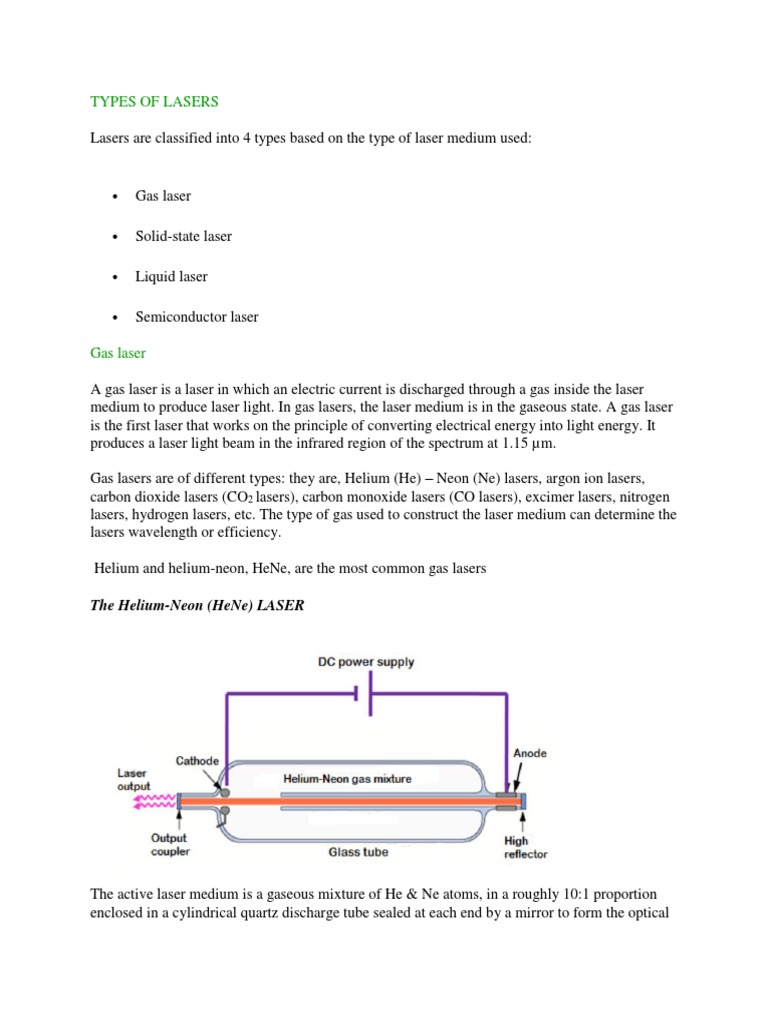
What are the different types of lasers available in the market?

Definition of Lasers Lasers, an acronym for Light Amplification by Stimulated Emission of Radiation, are devices that generate highly focused beams of light through the excitation of atoms within a gain medium. This process produces light that is both monochromatic-consisting of a single wavelength-and coherent, meaning the light waves are synchronized in phase and direction. […]

Read More →

How quantum computing helps for the growth of technology?

Understanding Quantum Computing Quantum computing represents a transformative leap in computational technology, leveraging the principles of quantum mechanics to surpass the limitations of classical computing. At its core, quantum computing utilizes quantum bits, or qubits, which differ fundamentally from traditional binary bits. While classical bits exist strictly as 0 or 1, qubits can simultaneously occupy […]

Read More →

Ray Guns in Space: Cosmic Detectors Launched on Shuttle

Definition of Cosmic Rays and Their Detection Cosmic rays are highly energetic particles, predominantly protons and atomic nuclei, that originate from sources beyond Earth’s atmosphere. Traveling at speeds near that of light, these particles provide crucial information about the universe’s formation and the fundamental forces governing it. To study these elusive particles, scientists have developed […]

Read More →

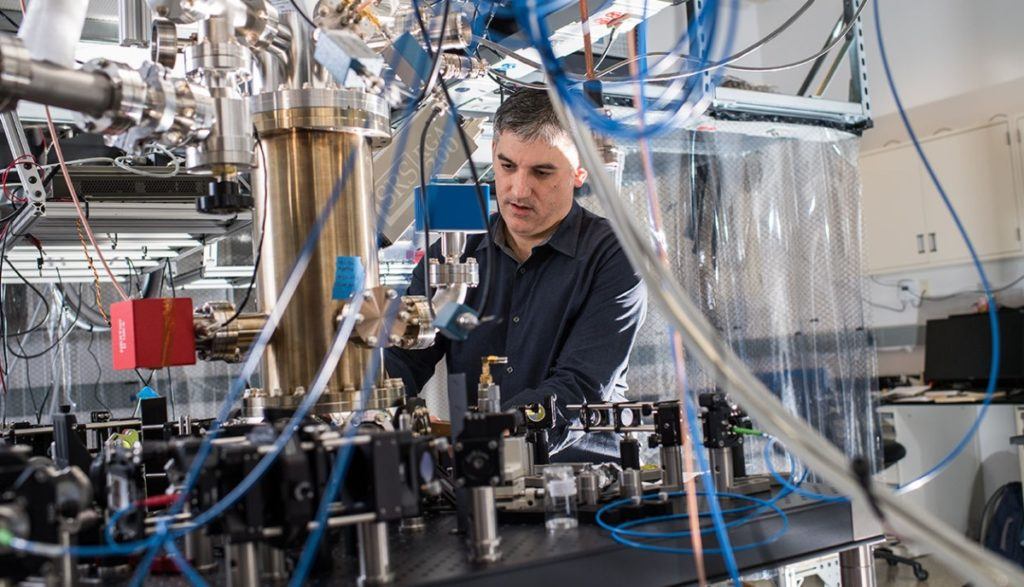
What role will material science play in quantum computing?

Definition of Quantum Computing and Material Science Quantum computing represents a groundbreaking shift in computational technology, leveraging the principles of quantum mechanics to perform complex calculations far beyond the reach of classical computers. Material science, the study of the properties and applications of materials, is integral to the advancement of quantum computing. It provides the […]

Read More →

What Does a Radiation Oncologist Actually Do? A Physicist’s Perspective

Definition of Radiation Oncology Radiation oncology is a specialized branch of medicine focused on treating cancer by utilizing ionizing radiation. This therapeutic approach aims to eradicate malignant cells while preserving the integrity of surrounding healthy tissues. The discipline merges principles from physics and biology to develop effective cancer treatments. Ionizing Radiation: High-energy particles or waves […]

Read More →

Should I become a medical doctor or a medical physicist?

Overview of Medical Doctor and Medical Physicist Careers Choosing between a career as a medical doctor or a medical physicist is a significant decision that influences not only personal satisfaction but also the broader healthcare landscape. Both professions present distinct challenges, rewards, and vital contributions to medicine. This article aims to clarify the roles, educational […]

Read More →

Beating the Sub-Wavelength Limit: Seeing the Unseeable

Understanding the Sub-Wavelength Limit The sub-wavelength limit represents a fundamental boundary in optical physics, where traditional imaging techniques encounter significant challenges. This limit is primarily governed by the wavelength of light used in microscopy, restricting the ability to resolve objects smaller than approximately half that wavelength. Consequently, structures below this scale become increasingly difficult to […]

Read More →

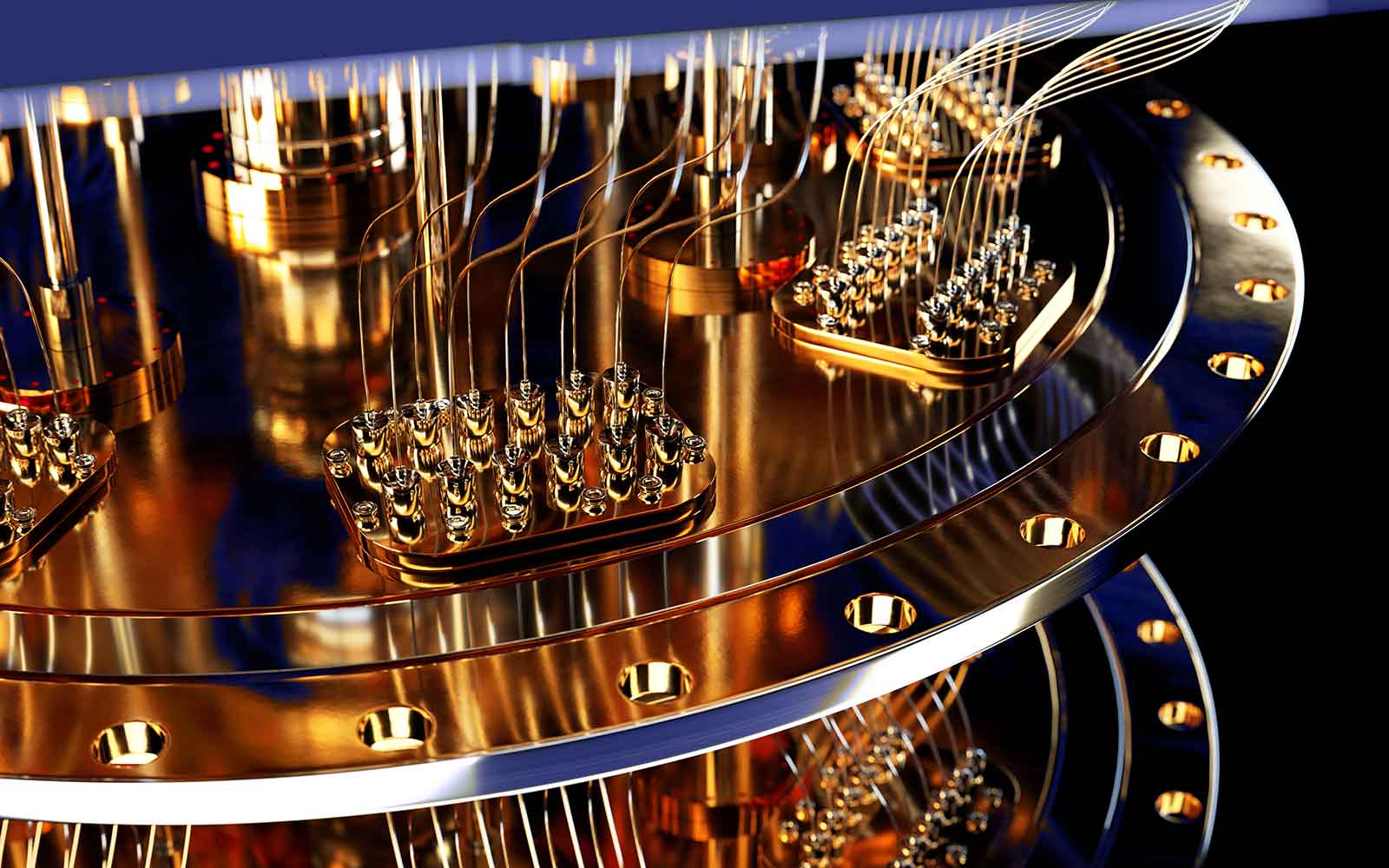
How developed is quantum computing?

Definition of Quantum Computing Quantum computing represents a cutting-edge domain at the intersection of physics and technology, leveraging the principles of quantum mechanics to revolutionize computational methods. Unlike traditional computing, which relies on binary bits, quantum computing utilizes quantum bits or qubits that can exist in multiple states simultaneously. This unique capability opens avenues for […]

Read More →