
Short Answer
Definition of Radon and Its Role in Earthquake Prediction
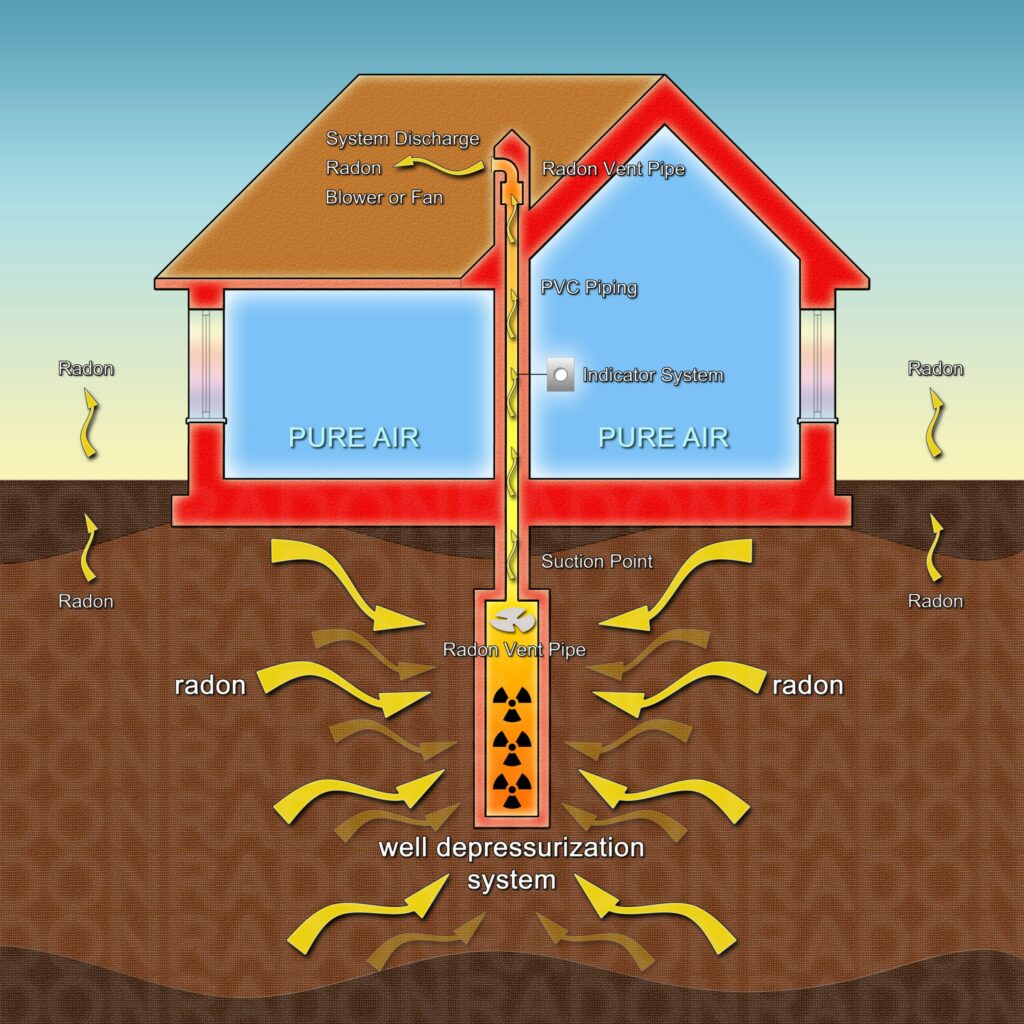
Radon (Rn) is a naturally occurring radioactive gas produced from the decay of uranium found in the Earth’s crust. It is colorless, odorless, and tasteless, making it difficult to detect without specialized equipment. While radon is primarily known for its health risks, particularly as a carcinogen, recent scientific investigations have explored its potential as an indicator of seismic activity. Variations in radon emissions have been observed to sometimes precede earthquakes, suggesting that radon monitoring could contribute to earthquake forecasting efforts.
Geophysical Basis for Radon as a Seismic Indicator
The underlying concept of using radon to anticipate earthquakes is based on the gas’s sensitivity to changes in the Earth’s subsurface environment. When tectonic plates shift or accumulate stress, the physical properties of the soil and rock layers-such as permeability and moisture content-can alter, affecting the migration of radon from uranium-rich materials to the surface. These disturbances may cause measurable anomalies in radon concentration, which, if detected, could serve as early warning signs of impending seismic events. Understanding the geological context is essential for interpreting radon data accurately.
Types of Radon Detection Technologies
Radon measurement techniques have advanced significantly, with two main categories of detectors commonly used:
- Passive Detectors:
These devices, including charcoal canisters and alpha track detectors, accumulate radon over extended periods-ranging from several days to months. After exposure, the detectors are sent to laboratories for analysis to determine radon levels. - Active Monitors:
Designed for continuous, real-time monitoring, active detectors employ technologies such as ionization chambers or scintillation counters to detect alpha particles emitted during radon decay. These instruments provide immediate feedback, which is crucial for observing rapid changes in radon emissions that may precede earthquakes.
Implementation of Radon Monitoring Networks
In regions prone to seismic activity, networks of radon detectors have been established to collect comprehensive data across multiple locations. By aggregating this information, researchers can analyze spatial and temporal patterns in radon emissions. Advanced data processing techniques help identify correlations between radon anomalies and seismic events, potentially improving the accuracy of earthquake predictions. However, the effectiveness of these networks depends on careful calibration and interpretation of the data.
Challenges and Limitations in Using Radon for Earthquake Forecasting
Despite promising findings, several obstacles complicate the use of radon as a reliable earthquake precursor:
- Environmental Variability:
Radon levels are influenced by numerous factors such as soil composition, weather conditions, and human activities, which can cause fluctuations unrelated to seismic events. - Threshold Determination:
Establishing a definitive radon concentration threshold that reliably signals an impending earthquake is difficult and requires extensive empirical data tailored to specific geological settings. - Data Interpretation:
Differentiating between normal radon fluctuations and those caused by tectonic stress demands sophisticated statistical models and continuous validation.
Advancements in Predictive Modeling Using Radon Data
Recent research integrates radon measurements with other seismic indicators through the application of artificial intelligence (AI) and machine learning algorithms. These technologies analyze large datasets to detect complex, non-linear relationships among variables, enhancing the precision of earthquake forecasts. Such interdisciplinary approaches are paving the way for more robust and dynamic predictive models.
Practical Applications and Global Significance
Effective radon-based earthquake prediction systems could revolutionize disaster preparedness by providing earlier warnings, enabling communities to implement safety measures and reduce casualties. Urban planners and engineers could incorporate radon data into risk assessments, improving infrastructure resilience in earthquake-prone areas. The global adoption of these technologies holds the potential to mitigate the devastating impacts of seismic events worldwide.
Ethical Considerations and Public Communication
The deployment of radon detection for earthquake forecasting raises important ethical questions. False alarms or overreliance on radon data could cause unnecessary public fear or complacency. Therefore, transparent communication grounded in scientific evidence is essential to balance public safety with responsible information dissemination. Scientists and policymakers must work together to ensure that radon monitoring contributes positively without causing undue alarm.
Interdisciplinary Collaboration for Future Progress
Advancing the use of radon as a seismic precursor requires collaboration across multiple scientific disciplines, including geology, physics, and engineering. By combining expertise, researchers can optimize detection technologies, refine predictive models, and deepen understanding of the complex interactions between radon emissions and tectonic processes. Such cooperative efforts are vital for transforming earthquake prediction from an aspirational goal into a practical reality.
Conclusion: The Potential of Radon in Earthquake Monitoring
The exploration of radon detection as a tool for anticipating earthquakes offers a promising avenue for enhancing seismic monitoring capabilities. Although challenges remain, the integration of innovative technologies and collaborative research initiatives holds the promise of significantly improving our ability to forecast earthquakes. Embracing radon as a potential precursor could mark a transformative step in safeguarding societies against the unpredictable forces of nature.
FAQ
What is radon and its significance in earthquake prediction?
Radon is a naturally occurring radioactive gas that can indicate seismic activity through variations in its emissions.
How do radon detectors work?
Radon detectors can be passive, accumulating gas over time, or active, providing real-time monitoring of radon levels.
What are the main challenges in using radon for earthquake forecasting?
Challenges include environmental variability, establishing reliable radon concentration thresholds, and interpreting the data accurately.




Leave a Reply