
Short Answer
Definition of the NASA-ESA Partnership
The collaboration between NASA (National Aeronautics and Space Administration) and ESA (European Space Agency) represents a significant alliance in the realm of space exploration. This partnership combines the strengths of two leading aerospace organizations to advance humanity’s reach beyond Earth. Through shared missions, technological cooperation, and aligned scientific goals, NASA and ESA work together to deepen our understanding of the universe and foster innovation in space technology.
Foundations of the Collaboration
The core of the NASA-ESA relationship is built upon their complementary capabilities and resources. NASA’s extensive experience, stemming from landmark projects like the Apollo moon landings and the Space Shuttle program, provides a solid foundation of expertise and infrastructure. ESA contributes a unique vantage point by harnessing the technological advancements and diverse expertise of its member countries. This combination enables a broad spectrum of joint activities, including human spaceflight, robotic missions, satellite operations, and planetary research.
Key Areas of Cooperation
International Space Station (ISS)
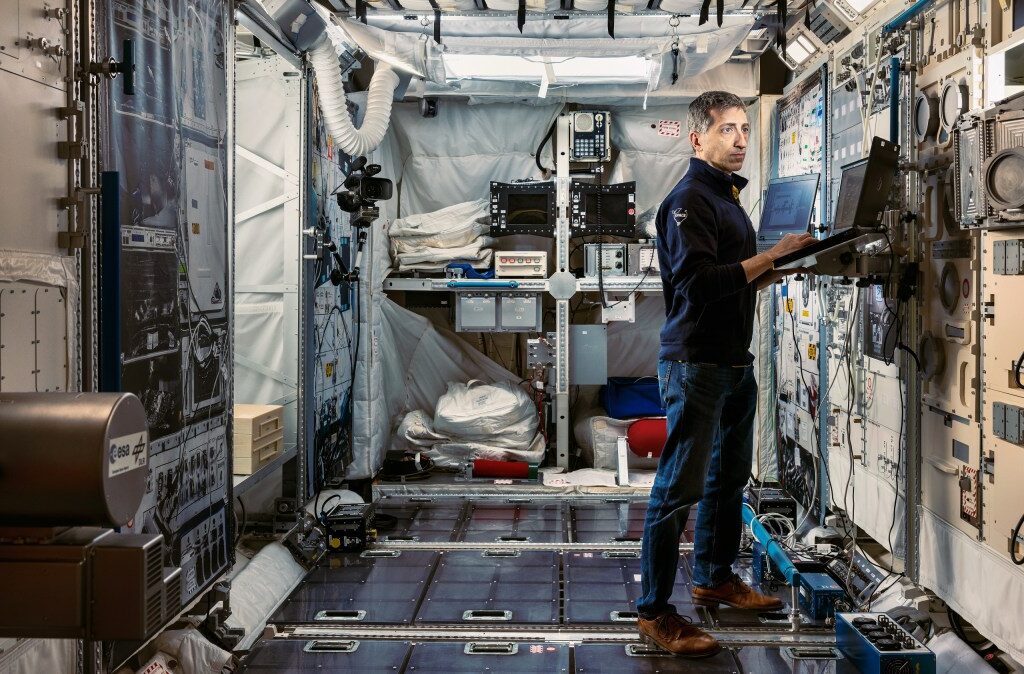
The ISS stands as one of the most prominent examples of NASA and ESA’s joint efforts. Both agencies are principal partners in this orbiting laboratory, which serves as a platform for scientific experiments in microgravity and a symbol of international collaboration. ESA’s Columbus Laboratory module plays a vital role by facilitating advanced research in fields such as biology, physics, and materials science. Meanwhile, NASA manages station upkeep, crew transport, and the coordination of extensive scientific programs. This partnership enables research that would be impossible for either agency to conduct independently.
Robotic Exploration Beyond Earth Orbit
NASA and ESA also collaborate on robotic missions that explore planets beyond Earth’s immediate vicinity. The Mars exploration initiatives highlight this synergy, with ESA’s ExoMars missions complementing NASA’s rover expeditions. Together, these missions combine orbital surveillance and surface exploration to gather comprehensive data on Mars’ geology, climate evolution, and potential signs of life. The cooperation between ESA’s Trace Gas Orbiter and NASA’s rovers enhances navigation, communication, and scientific discovery on the Red Planet.
Technological Exchange and Innovation
Technology sharing is a cornerstone of the NASA-ESA partnership. NASA’s advancements in propulsion, life support systems, and space habitats merge with ESA’s expertise in robotics, satellite technology, and Earth observation instruments. This exchange fosters innovation, reduces costs, and minimizes risks by leveraging each agency’s strengths. For example, ESA’s Automated Transfer Vehicle (ATV) was instrumental in resupplying the ISS, complementing NASA’s cargo missions and ensuring continuous station operations.
Joint Scientific Endeavors
Scientific collaboration is amplified through projects like the James Webb Space Telescope, which combines NASA’s cutting-edge telescope engineering with ESA’s contributions of scientific instruments and launch services. This partnership significantly enhances the potential for breakthroughs in astrophysics and cosmology, enabling deeper insights into star formation, planetary systems, and the fundamental laws governing the universe.
Educational and Public Outreach
Beyond scientific and technological collaboration, NASA and ESA prioritize education and public engagement. Joint outreach initiatives include shared multimedia content, astronaut exchange programs, and coordinated educational campaigns designed to inspire global audiences. These efforts ensure that space exploration remains a source of cultural inspiration and public enthusiasm, fostering a new generation’s interest in science and technology.
Challenges in International Cooperation
Coordinating efforts between NASA and ESA involves navigating complex political, regulatory, and logistical hurdles. Differences in legal frameworks, scheduling of launches, and funding mechanisms require careful diplomacy and strategic planning. Despite these challenges, the agencies maintain a commitment to transparency, mutual respect, and shared objectives, demonstrating the power of sustained international collaboration in advancing space exploration.
Future Prospects and Expanding Horizons
Looking ahead, NASA and ESA are broadening their cooperative ventures with ambitious projects such as the Artemis program and the Lunar Gateway. These initiatives aim to establish a long-term human presence on the Moon as a precursor to Mars exploration. ESA’s contributions include lunar habitat modules, Earth observation instruments, and deep space communication systems, reflecting the evolving and deepening nature of this partnership. Together, they embody a vision of exploration that transcends national boundaries and embraces a global quest for knowledge.
Earth Observation and Environmental Monitoring
In addition to extraterrestrial missions, NASA and ESA collaborate on Earth-focused projects that utilize satellite technology to monitor the planet’s environment. Programs like the Copernicus Sentinel satellites integrate data and technological resources from both agencies to support climate research, disaster response, and environmental protection. This terrestrial cooperation highlights the practical benefits of space technology for addressing global challenges on Earth.
Why the NASA-ESA Partnership is Crucial
The alliance between NASA and ESA exemplifies the power of international cooperation in space exploration. By combining scientific research, technological innovation, and cultural exchange, their partnership achieves far more than either agency could alone. From the microgravity experiments aboard the ISS to the exploration of distant planets, their joint efforts continue to push the frontiers of human knowledge and capability. This collaboration not only advances science and technology but also inspires humanity’s collective journey toward a future among the stars.
Common Misconceptions About the NASA-ESA Collaboration
NASA and ESA operate independently without significant cooperation.
The two agencies engage in extensive joint missions, technology sharing, and scientific projects, demonstrating a deep and ongoing partnership.
ESA only contributes minor components to NASA-led missions.
ESA provides critical modules, instruments, and launch capabilities that are essential to the success of many joint missions, such as the Columbus Laboratory and the James Webb Space Telescope.
FAQ
What is the NASA-ESA partnership?
It is a collaboration between NASA and the European Space Agency aimed at advancing space exploration through shared missions and resources.
What are the key areas of cooperation between NASA and ESA?
Key areas include the International Space Station, robotic exploration, technological exchange, and joint scientific endeavors.
How does the NASA-ESA partnership benefit space exploration?
The partnership allows for shared expertise, reduced costs, and enhanced scientific output that neither agency could achieve alone.






Leave a Reply