
Short Answer
Definition of NASA Space Missions
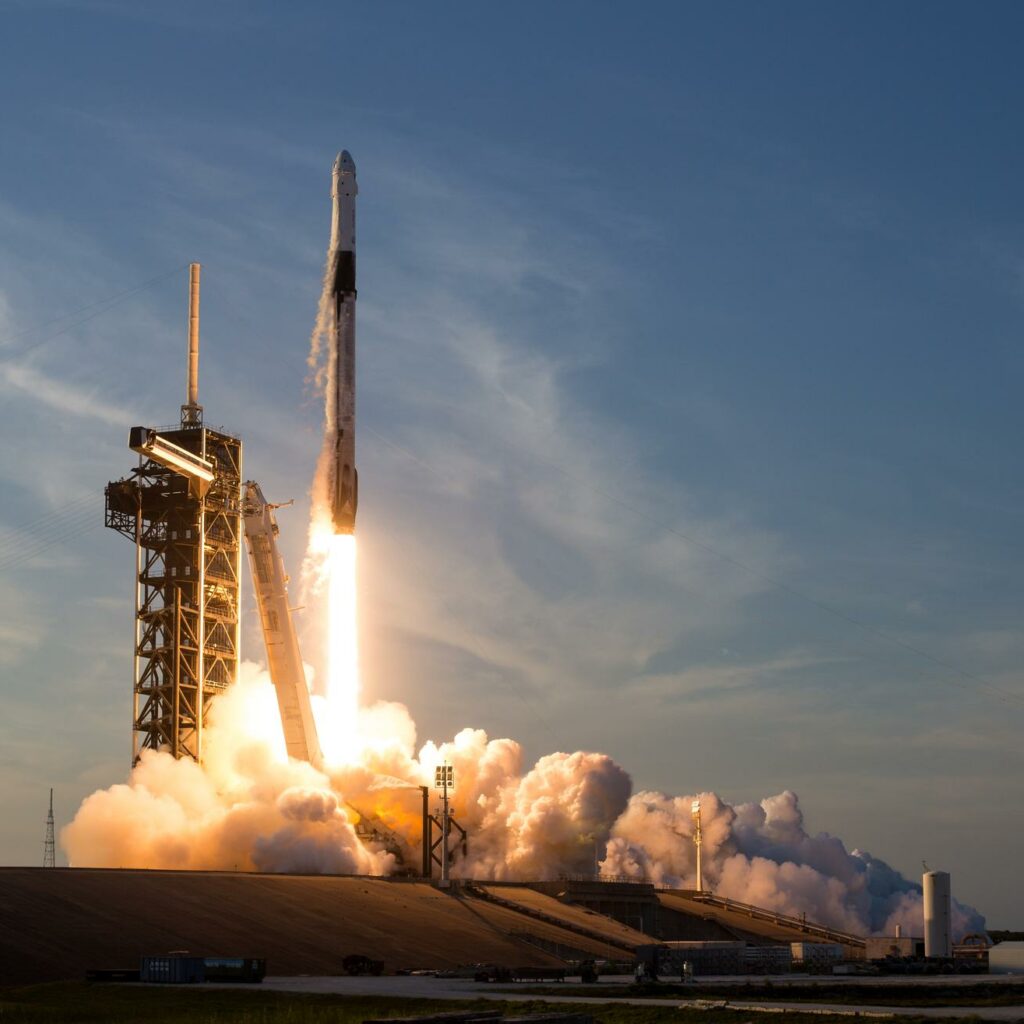
NASA space missions refer to the series of scientific and exploratory projects conducted by the National Aeronautics and Space Administration (NASA), aimed at investigating outer space, celestial bodies, and advancing human knowledge of the cosmos. These missions encompass crewed flights, robotic explorations, satellite deployments, and telescope operations, all designed to expand humanity’s understanding of the universe.
- Crewed Missions:
Human spaceflights such as the Apollo Moon landings, which marked historic milestones in space exploration. - Uncrewed Missions:
Robotic probes and rovers like Curiosity and Perseverance that explore planets and other celestial objects remotely. - Space Telescopes:
Instruments like the Hubble Space Telescope that capture detailed images and data from deep space.
Historical Context and Significance
NASA’s space missions emerged during a period marked by intense geopolitical rivalry, particularly the Cold War, where technological achievements symbolized national prestige and scientific dominance. The Apollo program, culminating in the 1969 Moon landing, was not only a scientific breakthrough but also a powerful emblem of American ingenuity and determination. These missions have since become cornerstones of modern scientific history, inspiring generations and driving technological innovation.
Evidence Supporting the Authenticity of NASA Missions
The legitimacy of NASA’s space endeavors is substantiated by a wealth of empirical data and international verification. The Apollo missions, for example, are documented through extensive telemetry records, photographic and video evidence, lunar rock samples, and the placement of retroreflectors on the Moon’s surface, which continue to facilitate precise Earth-Moon distance measurements via laser technology.
Uncrewed missions further reinforce this authenticity. Mars rovers transmit high-resolution images and scientific data that have transformed our understanding of Martian geology and potential for life. The Hubble Space Telescope provides continuous, breathtaking views of distant galaxies and nebulae, monitored and analyzed by global scientific teams.
Psychological and Sociopolitical Factors Behind Conspiracy Theories
Despite overwhelming proof, conspiracy theories questioning NASA’s missions persist due to several intertwined factors:
- Complexity and Accessibility:
The sophisticated nature of space science can alienate the general public, making simplified alternative narratives more appealing. - Historical Distrust:
The Cold War era’s political tensions and propaganda fostered skepticism toward government-led initiatives. - Psychological Comfort:
Conspiracy theories offer a reductive worldview where hidden forces control global events, providing a sense of intellectual empowerment and control.
The Symbolism and Cultural Impact of Space Exploration
Space exploration holds profound symbolic meaning, representing humanity’s ambition to transcend earthly boundaries and explore the unknown. This frontier embodies curiosity, resilience, and the quest for knowledge, inspiring awe and wonder. However, the vastness and mystery of space also evoke suspicion and disbelief, reflecting a paradoxical human response to the unfamiliar.
Technological Innovations Derived from NASA Missions
Beyond scientific discovery, NASA’s missions have catalyzed numerous technological advancements that permeate everyday life. Innovations such as GPS navigation, weather forecasting systems, medical imaging technologies, and advanced materials science trace their origins to space exploration research. These practical applications serve as tangible proof of the missions’ authenticity and their far-reaching benefits.
Public Engagement and Transparency Efforts
NASA actively promotes public understanding and involvement through educational programs, open data releases, and citizen science initiatives. By providing access to observatory footage, mission data, and collaborative projects, NASA fosters a culture of transparency and inquiry, countering misinformation and encouraging informed participation in space science.
Scientific Verification and Collaborative Scrutiny
The credibility of NASA’s findings is reinforced by rigorous scientific methodologies, including peer-reviewed research, international cooperation, and continuous scrutiny by the global scientific community. This multilayered validation process ensures the integrity and reliability of space exploration data, underscoring NASA’s commitment to openness and accuracy.
Common Misconceptions About NASA Space Missions
The Apollo Moon landings were staged.
Extensive physical evidence, including lunar samples and retroreflectors, alongside international tracking, confirm the missions’ authenticity.
Mars rover images are fabricated.
Data from rovers are independently verified by scientists worldwide and have led to peer-reviewed publications.
Space telescopes like Hubble produce fake images.
Hubble’s data is openly available and has been corroborated by multiple observatories and missions.
Why NASA’s Space Missions Are Crucial
NASA’s explorations are vital for advancing scientific knowledge, driving technological progress, and inspiring global cooperation. They exemplify human curiosity and resilience, pushing the boundaries of what is possible. The missions’ outcomes not only deepen our understanding of the universe but also yield practical innovations that enhance daily life on Earth.
Conclusion: Embracing Evidence and Wonder
Questioning NASA’s space missions reflects broader societal challenges in discerning truth amid complex information landscapes. By valuing empirical evidence, critical thinking, and scientific rigor, society can overcome unfounded myths and appreciate the profound achievements of space exploration. NASA’s legacy is a testament to human courage and intellect, inviting us all to look beyond our planet with curiosity and confidence.





Leave a Reply