
Short Answer
Definition of Flowing Water on Mars
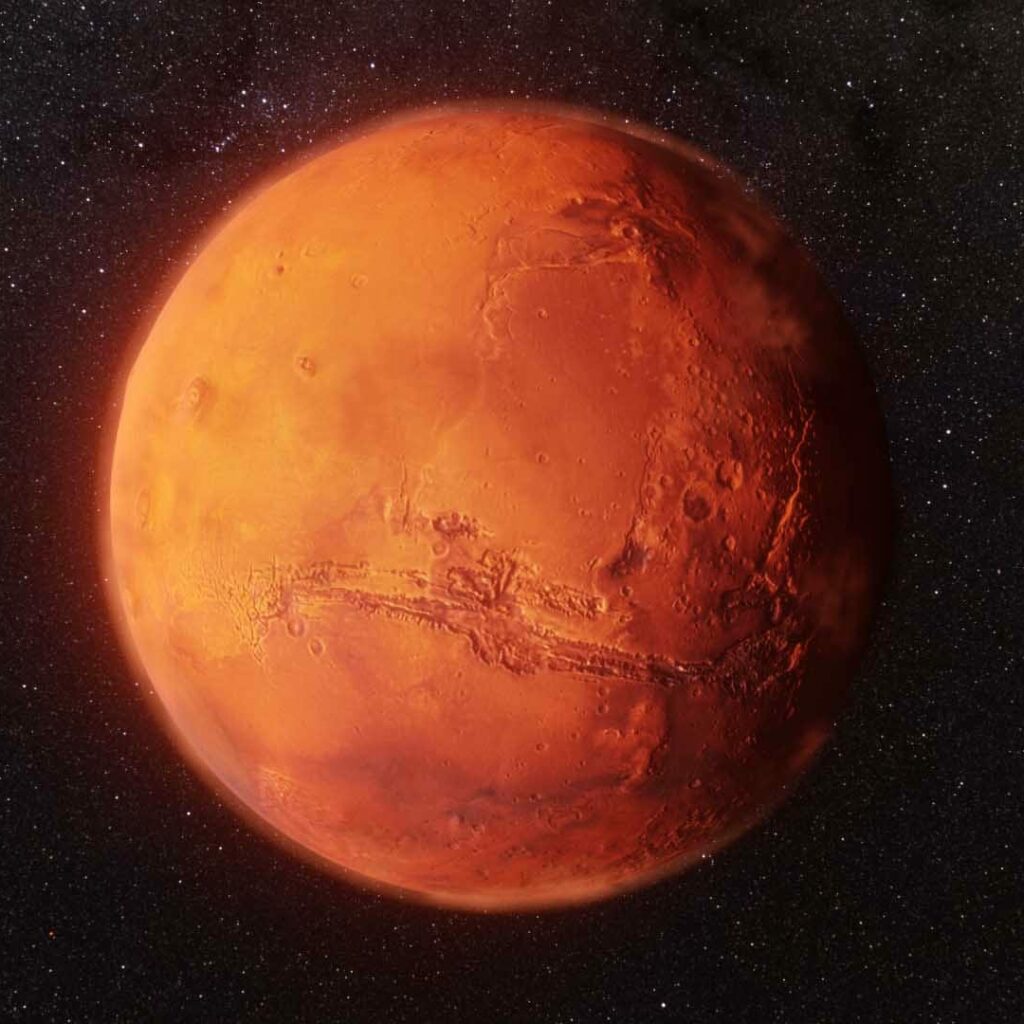
Mars, famously known as the Red Planet, has intrigued scientists and enthusiasts for centuries due to its distinctive reddish appearance and complex geological features. Central to Martian research is the investigation into the existence and behavior of flowing liquid water on its surface. This topic is crucial for understanding Mars’s environmental history, assessing its habitability, and planning future human exploration missions.
Historical Context and Early Observations
The search for water on Mars dates back to the late 19th century when astronomer Giovanni Schiaparelli observed linear features on the Martian surface, which he termed “canali.” This term was mistranslated as “canals,” sparking widespread speculation about artificial waterways. Subsequent space missions, including Mariner, Viking, and Mars Global Surveyor, shifted the perspective from a potentially water-rich planet to one dominated by arid, desert-like conditions. However, these missions also laid the groundwork for recognizing that water, in some form, has played a significant role in Mars’s geological past.
Evidence of Present-Day Flowing Water
One of the most compelling indicators of contemporary liquid water on Mars comes from observations made by the Mars Reconnaissance Orbiter (MRO) since 2006. The orbiter’s high-resolution cameras have identified features known as recurrent slope lineae (RSL)-dark streaks that appear seasonally on sun-facing slopes and fluctuate in length and intensity. These patterns suggest the intermittent flow of briny liquid water, particularly during warmer periods when the streaks become more pronounced.
Role of Saline Solutions
Research into the chemical composition of Martian soil highlights the presence of perchlorate salts, which significantly lower the freezing point of water. Laboratory simulations replicating Martian conditions demonstrate that these briny solutions can remain liquid at temperatures and pressures where pure water would freeze. This discovery challenges traditional views of water stability on Mars and opens possibilities for transient liquid water environments that could support microbial life.
Geological Indicators of Ancient Water
Beyond current water activity, Mars exhibits numerous geological formations that testify to a wetter past. Features such as dried-up river valleys, ancient lake beds, and delta deposits indicate that liquid water once flowed abundantly across the surface. Isotopic analyses of Martian meteorites further support the hypothesis that Mars experienced climatic phases warm enough to sustain surface water, contrasting sharply with its present cold and arid state.
Polar Ice Caps and Seasonal Water Cycles
Mars’s polar regions provide additional insights into its water inventory. The northern polar ice cap consists mainly of water ice, overlain seasonally by carbon dioxide ice. Observations from missions like the Phoenix lander reveal dynamic processes of sublimation and condensation, with subsurface ice occasionally melting into transient liquid water when exposed to solar heating. These seasonal cycles illustrate the complex interplay between Mars’s atmosphere and its cryosphere.
Subsurface Water Reservoirs
Intriguing evidence from radar instruments aboard the MRO and the European Space Agency’s Mars Express suggests the existence of liquid water beneath the southern polar ice cap. These radar reflections hint at subglacial lakes or aquifers insulated from the harsh surface environment, potentially harboring stable liquid water. Such discoveries fuel ambitions for future missions aimed at probing beneath the Martian crust to uncover hidden water reserves.
Astrobiological Significance
The presence of liquid water on Mars holds profound implications for the possibility of life beyond Earth. On our planet, microbial organisms thrive in extreme environments, including highly saline and cold habitats. If similar life forms exist or once existed on Mars, they would expand our understanding of life’s resilience and adaptability. Consequently, the search for flowing water is not only a geological pursuit but also a cornerstone of astrobiological research.
Scientific Challenges and Ongoing Investigations
Despite mounting evidence, the existence of stable, flowing liquid water on Mars remains a subject of debate. The planet’s low atmospheric pressure, frigid temperatures, and predominantly carbon dioxide atmosphere pose significant challenges to water’s stability in liquid form. Continued in situ exploration and sample return missions, such as the upcoming Mars Sample Return, are essential to provide definitive answers about Mars’s hydrological conditions.
Why Understanding Martian Water is Crucial
Studying water on Mars is vital for multiple reasons: it informs us about the planet’s climatic evolution, guides the search for extraterrestrial life, and supports the planning of human colonization efforts. Water is a key resource for sustaining life and could be used for drinking, agriculture, and fuel production in future manned missions. Thus, unraveling the mysteries of Martian water is a pivotal endeavor in planetary science and space exploration.
FAQ
Is there flowing water on Mars?
Yes, evidence suggests the existence of intermittent flowing water, particularly in the form of briny liquid during warmer periods.
What historical observations led to the search for water on Mars?
The search began in the late 19th century with Giovanni Schiaparelli's observations of linear features, which were mistakenly interpreted as canals.






Leave a Reply