

Short Answer
Definition of Nuclear Medicine
Nuclear medicine is a specialized branch of medical science that combines advanced technology with patient-focused care to diagnose and treat various diseases. It involves the use of radioactive substances to visualize and manage physiological functions within the body, offering unique clinical benefits that distinguish it from other medical imaging fields.
Interdisciplinary Collaboration in Nuclear Medicine
A defining characteristic of nuclear medicine is its inherently interdisciplinary approach, requiring expertise from multiple scientific and medical domains. Professionals such as medical physicists, radiologists, chemists, and technologists collaborate closely to ensure the safe and effective use of radioactive materials in both diagnostic imaging and therapeutic applications.
This collaborative environment fosters continuous knowledge exchange, enhancing the collective skill set of the team. Additionally, nuclear medicine specialists integrate insights from biological sciences, including pharmacology and molecular biology, to deepen their understanding of cellular mechanisms and disease processes. This integration positions nuclear medicine at the forefront of personalized healthcare, where treatments are increasingly tailored to the unique biological profile of each patient.
Technological Innovations Driving Nuclear Medicine
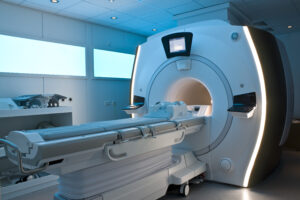
The field of nuclear medicine is propelled by rapid technological advancements that continually reshape diagnostic and therapeutic capabilities. Hybrid imaging technologies, such as positron emission tomography/computed tomography (PET/CT) and single-photon emission computed tomography/computed tomography (SPECT/CT), have revolutionized the precision with which clinicians can detect and evaluate pathological conditions.
Moreover, the development of novel radiopharmaceuticals expands the scope of nuclear medicine by improving the visualization of physiological and pathological processes. These innovative tracers enable more accurate disease staging and monitoring, thereby enhancing clinical decision-making. The dynamic nature of these technological breakthroughs creates an intellectually stimulating environment that attracts professionals eager to engage with cutting-edge tools and methodologies.
Patient-Centered Approach in Nuclear Medicine
Central to nuclear medicine is a strong emphasis on compassionate patient care. Practitioners often develop close interactions with patients undergoing nuclear imaging or therapeutic procedures, fostering trust and personalized attention. This patient-centric focus not only improves the overall healthcare experience but also contributes to better clinical outcomes.
Understanding the emotional and psychological impact of nuclear medicine procedures allows professionals to communicate effectively and alleviate patient anxiety. By combining technical expertise with empathetic care, nuclear medicine specialists help ensure patient compliance and satisfaction, making their role deeply rewarding on a human level.
Therapeutic Applications and Innovations
Beyond diagnostic imaging, nuclear medicine offers a range of therapeutic options that have transformed treatment paradigms, particularly in oncology. Techniques such as radiotherapy and targeted radionuclide therapy provide new avenues for managing cancers and other diseases, often offering hope to patients with limited treatment alternatives.
Advanced therapies, including radioimmunotherapy and the use of beta and alpha particle emitters, exemplify the move toward precision medicine. These targeted treatments allow for more effective disease control with minimized side effects, highlighting the innovative potential of nuclear medicine in improving patient survival and quality of life.
Research and Development in Nuclear Medicine
Nuclear medicine presents abundant opportunities for research and innovation. Professionals in this field contribute to pioneering studies that enhance scientific knowledge and refine clinical practices. Whether through academic research, industry partnerships, or government-funded projects, practitioners play a vital role in advancing the discipline.
Participation in clinical trials and translational research enables nuclear medicine specialists to develop new imaging techniques and radiopharmaceuticals, continuously pushing the boundaries of what is possible in diagnosis and therapy. This research involvement not only enriches professional expertise but also shapes the future landscape of medical care.
Commitment to Continuous Education
The ever-evolving nature of nuclear medicine necessitates a lifelong dedication to learning. Staying current with technological innovations, emerging clinical guidelines, and best practices is essential for maintaining high standards of patient care.
Engagement in professional organizations, attendance at workshops, and participation in conferences provide nuclear medicine professionals with ongoing educational opportunities and foster collaboration within the community. This culture of continuous improvement ensures that practitioners remain at the cutting edge of their field, benefiting both their careers and the patients they serve.
Significance of Nuclear Medicine in Healthcare
Nuclear medicine holds a critical role in modern healthcare by bridging scientific innovation with compassionate patient management. Its interdisciplinary foundation, technological sophistication, and therapeutic versatility make it indispensable in diagnosing and treating complex diseases.
The specialty’s focus on personalized medicine and research-driven advancements contributes significantly to improved patient outcomes and the evolution of medical science. For those passionate about combining scientific inquiry with meaningful patient interaction, nuclear medicine offers a fulfilling and impactful career path.
Summary
Choosing a career in nuclear medicine involves embracing a multifaceted profession that integrates diverse scientific disciplines, cutting-edge technology, and a strong patient-centered ethos. The field’s continuous growth through innovation, research, and education makes it an exciting and rewarding domain for healthcare professionals dedicated to advancing medical science and improving lives.
FAQ
What is nuclear medicine?
Nuclear medicine is a specialized branch of medical science that uses radioactive substances to diagnose and treat diseases by visualizing physiological functions within the body.
What career opportunities exist in nuclear medicine?
Career opportunities include roles such as medical physicist, radiologist, nuclear medicine technologist, radiopharmacist, and research scientist, all involved in diagnostics, therapeutic applications, and research.
What technologies are commonly used in nuclear medicine?
Common technologies include hybrid imaging modalities like PET/CT and SPECT/CT, along with advanced radiopharmaceuticals that improve disease detection and treatment monitoring.
How does nuclear medicine contribute to cancer treatment?
Nuclear medicine contributes through targeted radionuclide therapies such as radioimmunotherapy and radiotherapy, which provide precision treatment options with minimized side effects.
Why is continuous education important in nuclear medicine?
Because the field rapidly evolves with new technologies, clinical guidelines, and research findings, lifelong learning ensures practitioners maintain high standards of patient care and expertise.


Leave a Reply