
Short Answer
Overview of the Large Hadron Collider and Its Financial Challenges
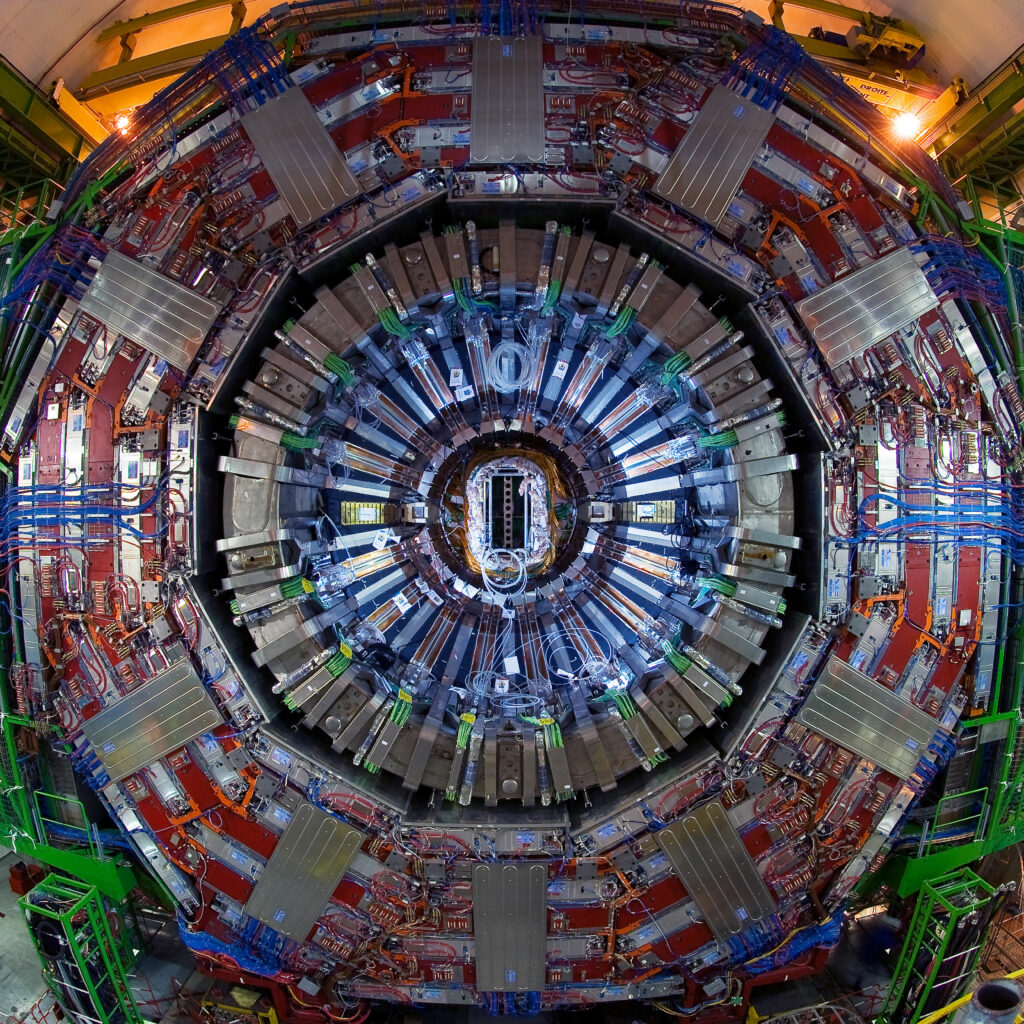
The Large Hadron Collider (LHC), situated at CERN near Geneva, Switzerland, has long been a focal point for both the scientific community and the public due to its groundbreaking research into the fundamental particles of the universe. Since its inception in 2008, the LHC has aimed to unlock cosmic mysteries such as the Higgs boson and dark matter. However, the escalating costs associated with its operation and upgrades have sparked intense debate about the balance between scientific ambition and fiscal responsibility.
Definition and Purpose of the Large Hadron Collider
The LHC is the world’s most powerful particle accelerator, designed to propel protons to velocities approaching the speed of light within a 17-mile underground circular tunnel. By colliding these particles at extremely high energies, the LHC enables physicists to investigate the fundamental building blocks of matter and the forces governing them.
- Location and Scale:
The collider is located underground near Geneva, spanning approximately 27 kilometers (17 miles) in circumference, making it an extraordinary engineering achievement. - Scientific Goals:
Its primary objectives include exploring the Higgs boson, understanding dark matter, and probing the fundamental laws of physics.
Financial Aspects and Budgetary Considerations
The initial construction of the LHC required an investment of roughly €4.4 billion. Since then, ongoing operational expenses, maintenance, and necessary upgrades have significantly increased the financial demands. These costs are shared among numerous international partners and governments, reflecting a complex funding ecosystem.
- Operational Costs:
Continuous maintenance and technological enhancements contribute to rising expenditures. - Funding Sources:
The LHC’s budget is supported by a consortium of countries, emphasizing the global nature of this scientific endeavor. - Financial Transparency:
Calls for greater accountability in how funds are allocated and spent have intensified alongside budget increases.
Scientific and Societal Impact of the LHC
Beyond pure scientific discovery, CERN advocates for the broader benefits derived from the LHC’s research. These include potential advancements in technology, medicine, and sustainable energy solutions. The collider’s findings have the capacity to influence various sectors, underscoring the importance of fundamental science in driving innovation.
- Technological Innovation:
Research at the LHC has led to developments in computing, data analysis, and materials science. - Medical Applications:
Particle physics techniques contribute to medical imaging and cancer treatment technologies. - Energy Research:
Insights from fundamental physics may inform future sustainable energy solutions.
Balancing Scientific Ambition with Fiscal Responsibility
The debate surrounding the LHC’s funding reflects a broader tension between investing in long-term scientific exploration and addressing immediate societal needs such as education, healthcare, and infrastructure. Critics question whether the substantial financial resources dedicated to the LHC could be better allocated to pressing global challenges.
- Resource Allocation:
The prioritization of funding for large-scale physics projects versus other urgent social issues remains contentious. - Support for Emerging Researchers:
Concerns exist about whether younger scientists in less established fields receive adequate funding compared to large projects like the LHC.
Alternative Funding Models and Future Directions
To ensure sustainable financing for monumental scientific projects, alternative funding strategies are being explored. Public-private partnerships, once met with skepticism, are gaining traction as viable options to diversify financial support without compromising scientific integrity.
- Public-Private Collaborations:
These partnerships can provide additional resources and foster innovation through industry-academic cooperation. - Diversified Funding:
Expanding the range of financial contributors may reduce dependency on governmental budgets and enhance project stability.
Transparency and Public Engagement Efforts by CERN
CERN has taken steps to improve transparency and engage the public by communicating the scientific achievements of the LHC in accessible ways. Bridging the gap between complex scientific research and public understanding is crucial for maintaining support and justifying expenditures.
- Science Communication:
Initiatives aim to make particle physics more relatable and understandable to non-specialists. - Public Accountability:
Open dialogue about funding and research outcomes helps build trust and informed consensus.
Why the LHC’s Funding Debate Is Significant
The discussion about the LHC’s financial demands is emblematic of larger questions about how society values fundamental research amid competing priorities. Each decision regarding funding not only influences the trajectory of particle physics but also reflects broader societal choices about investment in knowledge, innovation, and responsibility.
Frequently Asked Questions (FAQ)
What is the Large Hadron Collider (LHC)?
The LHC is the world’s largest and most powerful particle accelerator, located at CERN near Geneva. It accelerates protons to nearly the speed of light to facilitate high-energy collisions that help scientists explore the fundamental components of matter.
Why have the costs of the LHC increased over time?
The rising expenses stem from the collider’s immense scale, the complexity of its technology, ongoing maintenance, and the need for continual upgrades to support cutting-edge experiments.
What benefits does CERN claim from investing in the LHC?
CERN highlights major scientific breakthroughs such as the discovery of the Higgs boson, along with potential technological innovations and contributions to medical and energy research.
What are the main concerns regarding the LHC’s funding?
Critics worry about the high financial outlay during times of global crises, the prioritization of large projects over other scientific fields, and the necessity for greater transparency and accountability in spending.
Are there alternative ways to fund large-scale scientific projects like the LHC?
Yes, alternative funding approaches include public-private partnerships and diversifying financial sources to ensure sustainable support without compromising scientific goals.
FAQ
What is the Large Hadron Collider (LHC)?
The LHC is the world's largest and most powerful particle collider located at CERN near Geneva, designed to accelerate protons close to the speed of light and enable particle collision experiments to explore fundamental physics.
Why are the costs of the LHC increasing?
Costs have risen due to the scale, complexity, operational maintenance, and upgrades required to maintain the collider and conduct cutting-edge experiments.
What benefits does CERN claim from funding the LHC?
CERN cites scientific discoveries such as the Higgs boson, potential technological advances, and contributions to medical and energy research as key benefits.
What are the concerns about the LHC’s funding?
Critics express concerns about the high expenditure during global crises, the prioritization of funding, and the need for transparency and accountability in scientific spending.
Are there alternative funding models for large scientific projects?
Yes, models including public-private partnerships and diversified funding sources are being considered to ensure sustainable financing without compromising scientific integrity.






Leave a Reply